“I live in you … you live in me”
Kiss of the Spider Woman“I live in you … you live in me” is a refrain in a song that binds the lovers in Molina’s embedded story and outlasts the singer’s death. Its significance lies in that change of scale: what begins as an intimate expression of love becomes a song carried by a community, and a form of remembrance for the woman left behind.
The refrain in the embedded story
The lyric belongs to a song the man sang to the woman when they first arrived at their home by the shore. Near the end of Molina’s telling, the man is dying in a hospital while imagining that the two of them are together aboard their schooner, holding one another as the sun disappears. The woman stays with him and cries; the imagined reunion offers an image of happiness that his death cannot make literal.
From private song to shared memory
Afterward, the woman leaves the money from her jewelry with the hospital sisters to care for the poor, then returns to the little house where the couple had lived for only a few happy days. Walking along the shore, she hears fishermen singing the man’s songs. Young couples listen to them at sunset, and an old fisherman asks about the singer. She says he has gone away, but that he will remain with them through the memory of his songs. The refrain’s promise of living in one another thus extends beyond the couple: the man’s voice persists in the people who have learned and continue to sing his music.
The ending holds grief and continuation together. The woman walks alone as darkness falls, without a clear direction, yet the final image also gives her a smile through her tears. The song does not undo the loss; it gives that loss a form that can be remembered and shared.
The prison-frame contrast
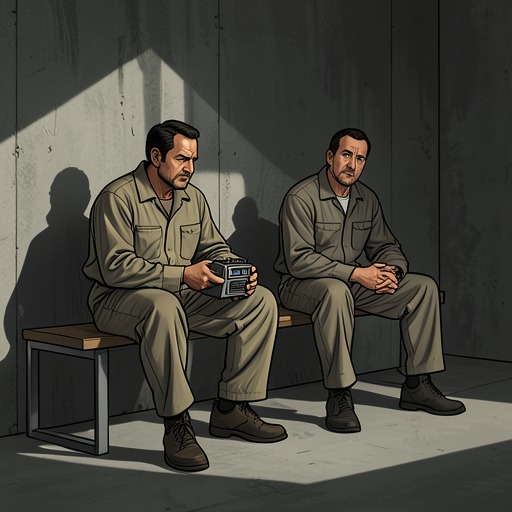
Molina tells the story to distract Valentin from severe pain. In the surrounding prison scenes, Valentin fears that treatment in the infirmary could weaken a political prisoner’s resistance, while Molina helps clean him when his illness makes ordinary washing unsafe. Valentin later distinguishes his fear for a woman in danger from his longing for Marta, whose closeness he feels might revive him. Against this bodily vulnerability and confinement, the song’s language of mutual presence offers an imagined consolation. Its force remains lyrical rather than practical: the story preserves love in memory, while the prison frame continues to show the need for immediate, physical care.