Food specially prepared for Valentin
Kiss of the Spider WomanFood specially prepared for Valentin is an instrument of prison pressure whose intended effect is complicated by the prisoners’ shared meal and Molina’s role as an informant. The episode turns an ordinary plate of food into a test of loyalty and suspicion: the authorities seek to weaken Valentin, but Valentin’s insistence that Molina take the larger portion forces Molina to eat the prepared serving himself.
Purpose and Prison Setting
The food appears within a prison arrangement designed to affect Valentin’s physical condition. In a later conversation, the Warden asks Molina whether having Valentin weakened physically had been helpful, making the authorities’ purpose clear. The meal is not simply a routine provision: it belongs to an effort to manage Valentin’s strength and, through it, his resistance.
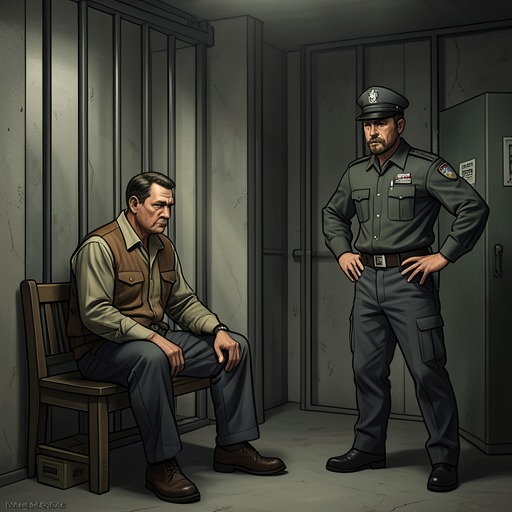
The setting is the shared cell in Pavilion D, cell 7. An official report records that Molina, serving an eight-year sentence for corruption of minors, was transferred there on April 4, 1975, to live with Valentin Arregui Paz, a political prisoner. That same report describes Valentin as rebellious and associates him with a hunger strike protesting the death of Juan Vicente Aparicio during police interrogation. The meal therefore enters an already coercive setting where the authorities monitor Valentin’s conduct and seek ways to influence him.
The Meal and Its Reversal
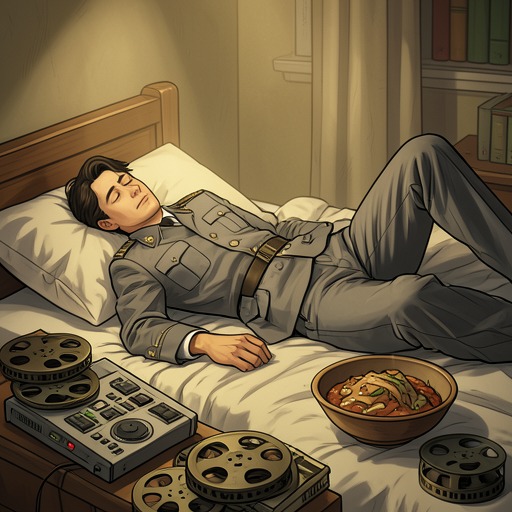
Molina tells the Warden that he had to eat the prepared food the first time it was served. Valentin disliked rice, and one plate contained more food than the other. Valentin insisted Molina take the larger serving. Refusing would have looked suspicious, particularly because Molina had been warned that the specially prepared portion would arrive on a new tin plate. The amount was so large, Molina explains, that he could not avoid eating it himself.
That reversal makes the meal’s practical operation more complicated than the authorities intended. The larger portion, meant for Valentin, ends up with Molina because Valentin’s preference and his insistence determine how the plates are divided. Molina’s position leaves him caught between the prison’s plan and the need to preserve his cover: accepting the food means taking part in the authorities’ scheme, while refusing the portion might expose him to suspicion. The serving is thus both a tool of institutional control and a moment in which the prisoners’ interaction disrupts that control.
Molina’s Cost and the Warden’s Response
Molina connects the meal to his own physical condition. He tells the Warden that he looks thin because he was sick for two days after eating the prepared food. His account establishes an immediate cost to the informant, although it does not specify the food’s full contents or establish a medical explanation for the illness. The plan aimed to weaken Valentin, yet Molina reports that he was the one who suffered the short-term physical consequence of eating the larger serving.
The Warden responds by commending Molina’s work and apologizing for the mix-up. That apology treats the outcome as an operational error rather than questioning the use of food to weaken a prisoner. The Warden then asks about Valentin’s morale and whether the authorities have softened him. Molina says that they have, but recommends letting Valentin begin to recover. The exchange shows that the meal forms part of a broader effort to assess and manage Valentin’s condition, while Molina is expected to report on whether that pressure is working.
Significance
The food’s importance lies in the collision between administrative design and everyday relations in the cell. A new tin plate marks the prepared serving, but the decisive detail is the unequal portion: Valentin’s dislike of rice leads him to give Molina the larger share, and Molina’s fear that refusal would look suspicious makes him eat it. The prison’s attempt to govern Valentin through food therefore passes through the informant’s body instead.
The episode also reveals the limits of the authorities’ control over a shared meal. They can prepare and distinguish the food, question Molina afterward, and track Valentin’s morale, but they cannot ensure that the intended prisoner consumes the intended portion. Valentin’s insistence redirects the meal; Molina absorbs its reported cost; and the Warden’s response folds the mishap back into the prison’s ongoing assessment of pressure and resistance. Food specially prepared for Valentin consequently signifies both the reach of institutional power into daily life and the unpredictable human choices that can alter its effects.