Molina’s abdominal illness
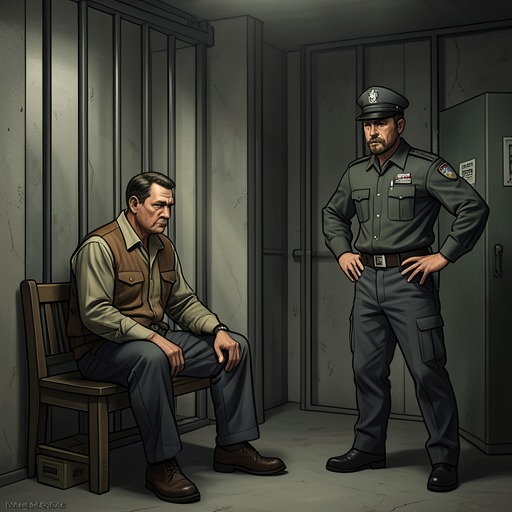
Kiss of the Spider WomanMolina’s abdominal illness begins as a sudden, uncertain episode in the cell: sharp stomach pain interrupts the conversation, and Molina describes himself as unwell while initially resisting the idea that he might vomit or need help. The pain seems to lessen, and he attributes it to nerves after a stressful day. The episode is never given a medical diagnosis. Its narrative significance lies instead in the way bodily distress unsettles the routines of confinement and opens a space for concern between Molina and Valentin.
Symptoms and Uncertainty
At first, Molina’s discomfort comes and goes. When Valentin asks about the pain, Molina describes sharp, stabbing sensations, but soon says they feel as if they are letting up. He says the meal has not bothered him and suggests that nerves may be responsible, having been very nervous that day. This explanation is tentative rather than confirmed: the conversation offers no examination or diagnosis, and temporary relief does not establish what caused the pain.
The exchange also makes clear how little certainty either prisoner has about what is happening. Valentin asks whether Molina wants to vomit and offers to call the guard; Molina declines, saying that the sensation seems to be passing. Their attention turns to the character and location of the pain, but the available details do not settle its cause. Molina’s report that his appendix has already been removed is another concrete part of the conversation, not a diagnosis of the current episode. The scene leaves bodily experience ahead of explanation: the pain is real to Molina even while its meaning remains unclear.
A Recurrence and a Contrast
Later, the men speak of stabbing abdominal pain again, but the dialogue distinguishes Molina’s earlier experience from Valentin’s worsening condition. Valentin describes pain that is becoming stronger, and Molina recognizes it as resembling what happened to him two days earlier. The likeness links their experiences without making them identical: Molina’s first spell appears to ease, while Valentin’s pain continues to intensify.
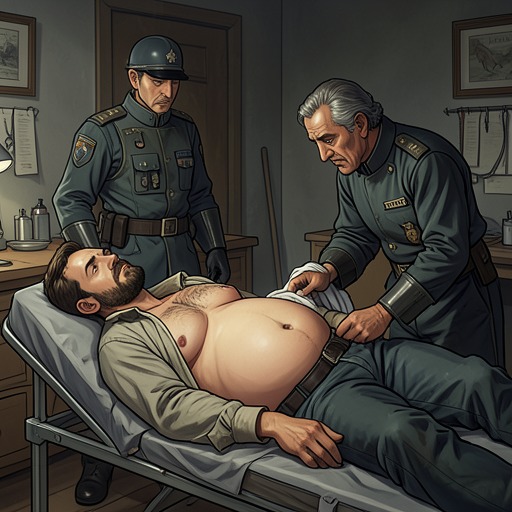
That distinction matters because the illness narrative does not simply assign one continuous set of symptoms to Molina. Valentin explains that a comrade’s experience of the infirmary led him to fear that medical care could weaken a political prisoner’s resistance. He believes that dependence on treatment might leave a prisoner more vulnerable during interrogation, and says that this danger does not apply to Molina in the same way. These are Valentin’s stated fears, not a medical account of either man’s condition. They help explain why, when Valentin becomes more seriously unwell, he resists involving the guard despite the worsening symptoms.
Care Inside the Cell
The illness changes the practical balance between the cellmates. When Valentin needs help, Molina attends to him rather than treating the distress as an embarrassment. In one episode, Molina cleans him and reassures him; later, he proposes warming water and using towels to wash him, because a cold shower could be dangerous in Valentin’s condition. The care is presented through small, concrete tasks rather than an account of professional treatment. The cell has limited resources, yet Molina works within those limits to make the situation more bearable.
This assistance also alters what their shared confinement permits. Earlier, Valentin offers to summon a guard when Molina hurts; later, Molina takes responsibility for helping Valentin manage his illness. The exchange is not a cure, and the story does not suggest that Molina can resolve the medical danger. Its consequence is relational: vulnerability becomes something one prisoner can entrust to the other. The illness therefore connects bodily dependence with the gradual formation of trust, while preserving the difference between Molina’s earlier pain and Valentin’s more serious decline.
Pain, Confession, and Narrative Function
During Valentin’s illness, physical weakness accompanies a clearer admission of emotional need. He says that although he fears for a woman in danger, the person he longs to see and touch is Marta; he describes his whole body as aching for her and imagines that she alone could revive him. This confession belongs to Valentin, not to Molina’s illness, but it occurs within the same developing pattern of pain and care. The body’s distress helps bring private feeling into the conversation, while Molina listens rather than interrupting the disclosure.
The juxtaposition gives Molina’s brief abdominal episode a wider place in the story. His pain is not explained away as a symbolic condition, nor does it produce a confirmed diagnosis or stated long-term consequence. Instead, it establishes an early, shared vocabulary of discomfort that returns when Valentin is in greater danger. Across the episodes, the contrast is decisive: Molina’s pain seems to recede, while Valentin’s intensifies under the added pressure of his political refusal to seek the infirmary. What persists is not a medical conclusion but a change in the cellmates’ conduct toward one another. Concern, listening, and intimate practical care become part of the life they make together inside the cell.