
The Twin’s Account of Jean-François
L'Amour et les ForêtsThis flow follows Marie-Claire’s changing understanding of Jean-François, from family outsider to coercive husband and antagonist.
increasing Bearing strength in each event
 decreasing
Bearing strength in each eventdecreasingThe Left-Out Boy
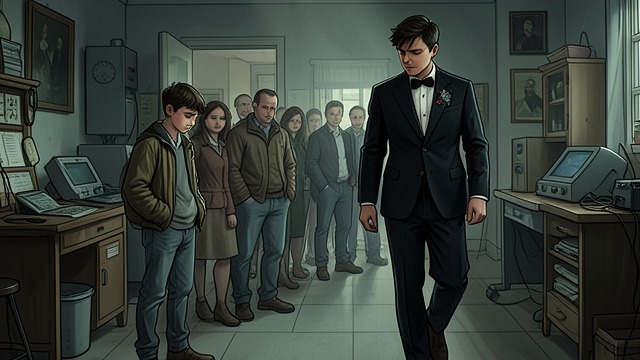
The Left-Out Boy
A Marginal Place
Marie-Claire remembers Jean-François as the awkward younger brother who followed the more confident children. He was easily hurt, hesitant, and often mocked, while his brother Damien occupied a more favored place in the family circle.
These memories later help Marie-Claire interpret Jean-François’s hunger for recognition. They do not excuse his later conduct, but they suggest how grievance and insecurity became part of his self-image.
A Marriage in Vulnerability
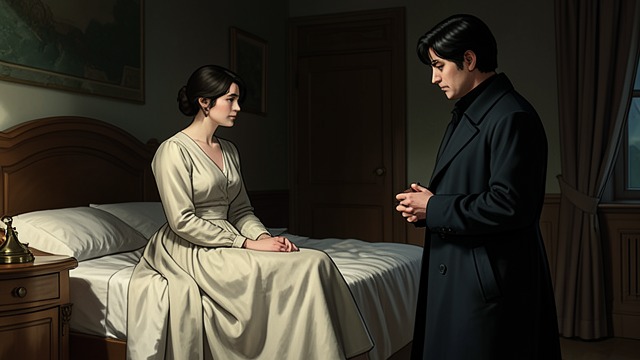
A Marriage in Vulnerability
Seizing the Moment
After Olivier abandons Bénédicte, Jean-François becomes a source of comfort during her depression. Marie-Claire suspects that he waits for a moment when her sister is too vulnerable to refuse the attachment he wants.
Bénédicte says only that he proposed something and she followed him. Marie-Claire believes that fear of being alone helped turn dependence into a marriage without the mutual love the couple later claimed.
The Absent Presence
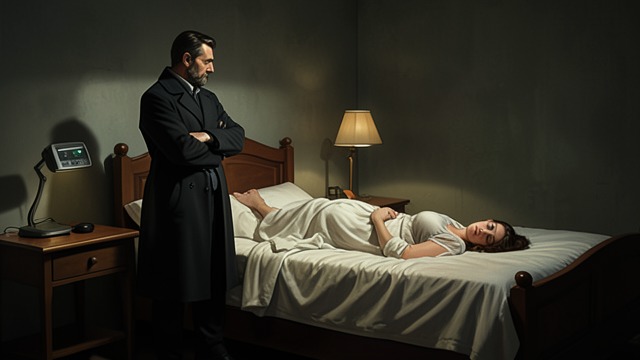
The Absent Presence
Control at the Bedside
Jean-François insists on staying beside Bénédicte despite her distress. He walks for hours at the foot of her bed, demanding the position of devoted husband while failing to offer the tenderness she wants.
Marie-Claire sees him as an empty presence that intensifies Bénédicte’s isolation. His concern with appearances continues even as the family recognizes how little comfort his presence provides.
During the sisters’ childhood
From 1993 into the years after Bénédicte’s depression
During Bénédicte’s final hospitalization in January 2011
