
From Coercion to Confinement
L'Amour et les ForêtsThis flow follows the escalation of Jean-François’s control and the institutional refuge that briefly lets Bénédicte imagine another future.
increasing Bearing strength in each event
 decreasing
Bearing strength in each eventdecreasingThe Radio Revelation
The Radio Revelation
Recognition
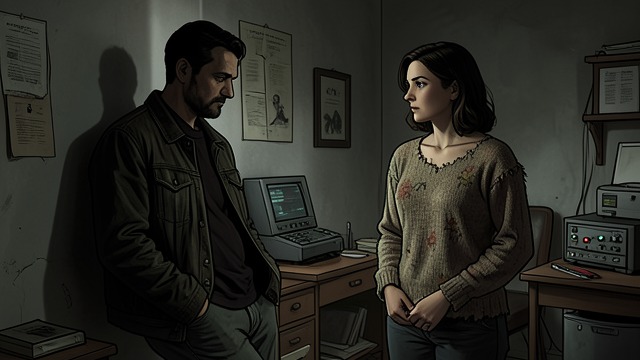
After hearing a France Inter program about harassment and abusive partners, Jean-François recognizes his own conduct in the testimonies. He tells Bénédicte that he has been a harasser, an admission that briefly confirms her perception of years of humiliation.
His remorse seems to create an opening: he promises to change and is urged to seek professional help. Yet the admission does not itself undo the relationship’s established imbalance.
A Turning Point
Bénédicte experiences the moment less as reconciliation than as a verdict that releases her from self-doubt. That recognition helps precipitate her impulsive decision to seek an encounter outside the marriage.
The House Becomes a Cell
The House Becomes a Cell
Accusation Without End
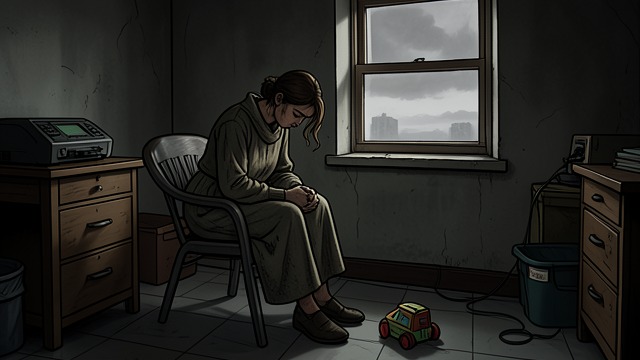
When Bénédicte returns from her day with Christian, Jean-François questions her for hours and then for months. He demands a confession, rejects her explanations, and uses exhaustion to make ordinary privacy impossible.
The household becomes a place where her movements, clothing, and silences are treated as evidence. Even when the children are present, the pressure shapes the emotional weather of the home.
The Cost of Endurance
Bénédicte sleeps poorly, cries in private, and loses the ability to sustain easy relationships with colleagues and family. The confinement is not only physical: her own account of what is happening is repeatedly challenged and overwritten.
A Temporary Refuge
A Temporary Refuge
Withdrawal and Shelter
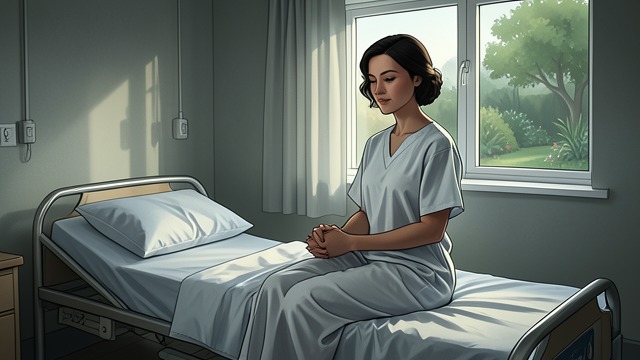
After taking an overdose of Xanax, Bénédicte is treated first at the Metz Regional Medical Center and then admitted to Sainte-Blandine. She gives clinicians little explanation, protecting the refuge from the possibility that it will become another intervention into her marriage.
The clinic’s quiet gives her sleep, distance, and a new sense that she can exist without serving other people. At La Bulle, she meets residents whose candor makes shared vulnerability feel possible.
A Future Imagined
Bénédicte writes about the day with Christian and begins to recover confidence in her own mind. She imagines leaving her husband, raising her children elsewhere, and working in publishing, but her stay ends before those possibilities become plans.
An evening in March 2006
From March through July 2006
July 6–21, 2006
