
The Unseen Economy of Class
La uruguayaLucas’s changing fortunes reveal how money shaped his upbringing, speech, domestic expectations, and sense of artistic independence.
increasing Bearing strength in each event
 decreasing
Bearing strength in each eventdecreasingA Childhood of Provision
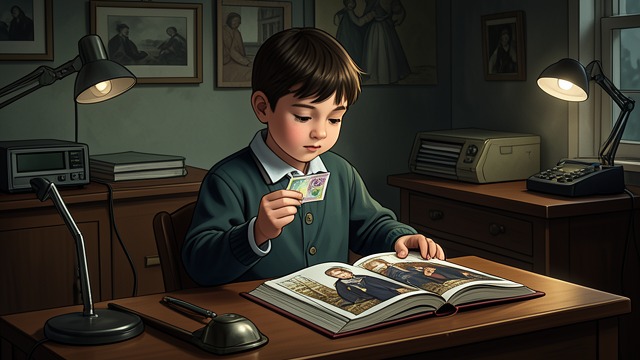
Money Before Awareness
A protected childhood
Lucas recalls being given colored banknotes for school and having access to education, clubs, travel, and domestic help. He recognizes that money formed his habits and social belonging before he understood its scale.
Privilege made invisible
His later identity as a bohemian artist depended on resources he had once taken for granted. The memory complicates his self-image as someone who simply chose a precarious life.
Class in the Voice

Speech as Inheritance
Accent and money
Lucas recalls a thief noticing how his sister’s speech sounded wealthy. He reflects on the subtle pronunciations and language habits through which class becomes audible.
A purchased identity
He sees that money helped form his language, including his English education. His voice is not separate from his material upbringing but one of its lasting products.
The Artist’s Luxury

Bohemian Life as Privilege
A delayed cost
Lucas admits that he could afford to appear unambitious because his family’s resources once sheltered him. At forty-four, he feels the long-term cost of that choice as debts and reduced security.
Class anxiety
He imagines Maiko losing access to travel, schooling, and social confidence. His fear concerns not only present bills but the transmission of status and opportunity.
The Desire for Household Help
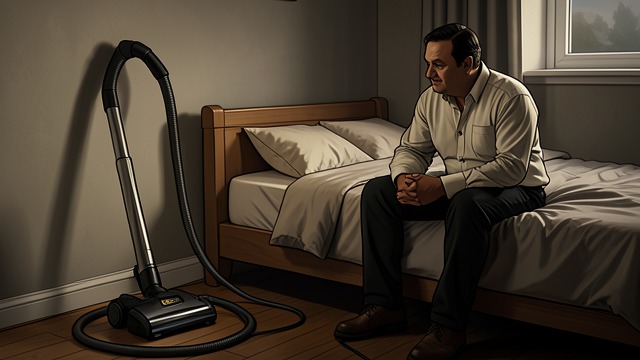
Labor and Solitude
Work he wants to outsource
Lucas wants a cleaner or part-time babysitter so that he can sit alone and write. He understands solitude as something purchased through other people’s labor.
A remembered summons
He recalls the vacuum cleaner outside his childhood bedroom as a sound that seemed to announce that domestic work would eventually enter his life. Adult fatigue makes privilege and dependence newly visible.
A Simpler Standard
Reconsidering Comfort
Giving up the car
Lucas describes life without a car as a relief from fuel, repairs, traffic, and parking. Maiko’s public schooling also becomes part of a workable new routine.
Reframing status
He is still aware of class distinctions, including the parents who recognize one another as disguised privileged people. Yet he is learning to value a less expensive life on its own terms.
In Lucas’s reflections while waiting in the bank
During Lucas’s thoughts in the bank queue
Immediately before Lucas receives the cash
During the bank queue, before withdrawing the money
About a year later, after the separation
