
From Private Lists to Shared Responsibility
La uruguayaThe lists and obligations that once intensified the marriage’s conflict become part of Lucas’s independent routine after separation.
increasing Bearing strength in each event
 decreasing
Bearing strength in each eventdecreasingCatalina’s Visible Lists
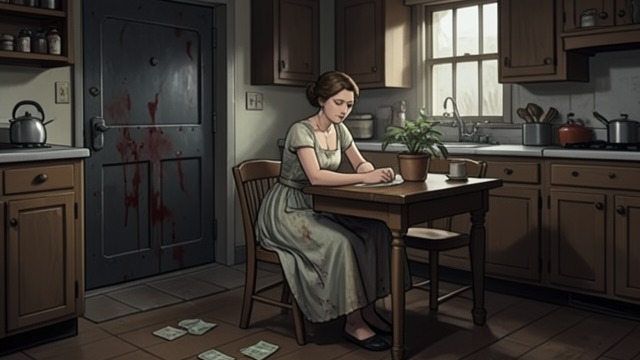
Organizing the Household
Numbers in red
Catalina keeps spreadsheets of the family’s finances while bills, school fees, and medical expenses fall behind. Lucas experiences the accounting as a reminder of what he has failed to provide.
Practical care under strain
Her lists are attempts to manage a household with limited money, though Lucas perceives them as pressure. Their different responses to responsibility deepen their resentment.
Invisible Demands
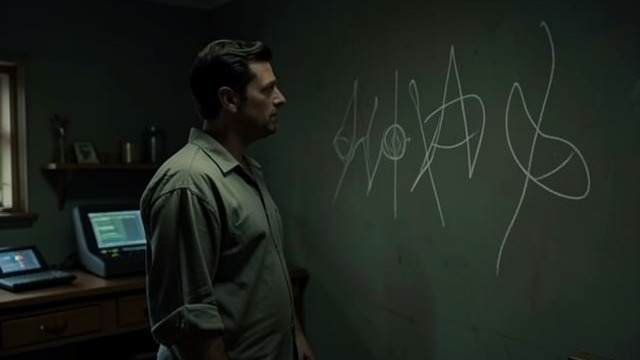
Tasks Without Names
Lucas’s unspoken expectations
Lucas recognizes that he also had shifting demands and lists that he never made visible. Catalina’s explicit organization was not the only form of pressure in the home.
Mutual burden
The couple’s conflict involved both written tasks and unspoken expectations. Their resentment grew partly because each experienced the other as imposing a private system.
Lists After the Split

A Board in the Kitchen
Making tasks his own
Lucas now keeps a board of pending tasks in his kitchen. He says the lists no longer torment him because they are his own rather than Catalina’s.
Structure without accusation
The same practical tool takes on a different meaning once the couple no longer shares one household. Organization becomes a form of self-direction rather than a battleground.
A More Manageable Home

Small Domestic Work
A settled space
Lucas takes care of plants and describes cooking and home tasks as part of a life he can manage. He no longer longs for every element of domestic work to disappear.
Independence with limits
His routine does not make him wealthy or free of obligation. It gives him a more direct relationship to the tasks he once experienced only as evidence of failure.
Co-Parenting as a New List

Shared Responsibilities
A negotiated schedule
Lucas and Catalina divide Maiko’s time between their homes. The arrangement requires coordination but no longer depends on preserving the appearance of a single household.
Care becomes explicit
Lucas’s willingness to meet Catalina’s partner reflects a desire for more open agreements. The family’s obligations continue, but they can now be named and shared across separate lives.
During the months of financial strain
In Lucas’s recollection of the marriage’s final period
During Lucas’s first year living alone
Near the ending, as Lucas describes his new routines
About a year after the separation
