
The Final Return of the Voice
La uruguayaLucas’s narration moves from private monologue toward direct address, ending with a voice that re-enters the shared home.
increasing Bearing strength in each event
 decreasing
Bearing strength in each eventdecreasingSpeaking to Catalina in Absence

A Private Address
The story’s listener
Lucas repeatedly addresses Catalina as “you,” recounting the day after the fact. Even when she is absent from Montevideo, she remains the central listener in his mind.
Intimacy and accusation
The address holds tenderness alongside questions about her reading his email, her late nights, and their failing marriage. The narration itself becomes a conversation he could not have during the day.
An Account Built on Omissions

Choosing What to Tell
A false version considered
Lucas rehearses a story that relocates the robbery to the Buenos Aires car park. He wants the theft to be believable while hiding his meeting with Guerra.
Narrative becomes defense
His planned account reveals that telling the truth is not merely recounting events. He is deciding which parts of his life Catalina will be allowed to see.
The Hidden History Confessed
Address Becomes Disclosure
Catalina asks
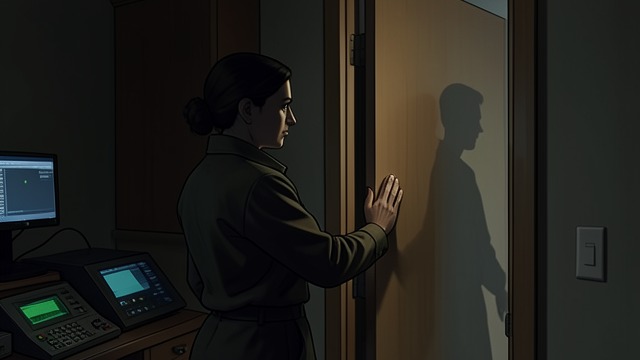
When Catalina asks directly who Guerra is, Lucas tells her about their meeting and the old attachment. The story moves from inner monologue toward a difficult spoken truth.
Another truth answers
Catalina then reveals her own relationship. The exchange shows that Lucas is not the only one whose private story has remained outside the marriage.
The Letter After a Year
A Longer Message
Reporting the new life
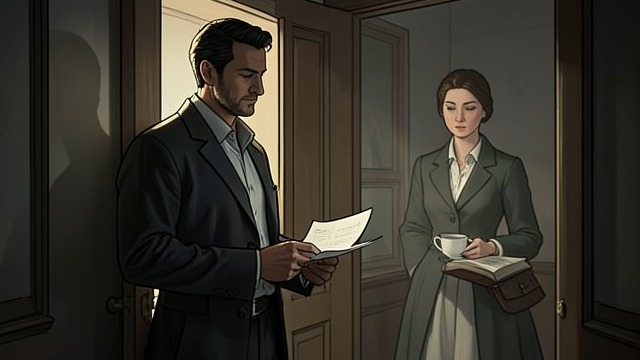
Lucas tells Catalina about work, writing, Maiko’s schedule, and the possibility of meeting her partner. He also thanks her for allowing him to repay his debts in installments.
Address changes tone
The message remains intimate but is no longer a plea to restore the marriage. Lucas uses direct speech to propose a shared future structured around care rather than secrecy.
The Voice at the Door

A Direct Answer
The question returns
After narrating the day and its aftermath, Lucas stands outside the apartment. Catalina asks who is there from behind the door.
Identity instead of explanation
Lucas answers simply that it is him. The final voice does not explain or resolve the past; it makes a claim to presence and leaves the next exchange open.
From the opening recollection of the morning departure
During Lucas’s return journey across the river
After the hospitalization, during the conversation about Guerra
About a year after the narrated Tuesday
At the novel’s final moment
