
The Nocturnal Word
La uruguayaThe repeated word “war” grows from an unexplained dream utterance into a sign of Lucas’s unspoken marital conflict.
increasing Bearing strength in each event
 decreasing
Bearing strength in each eventdecreasingThe Morning Question
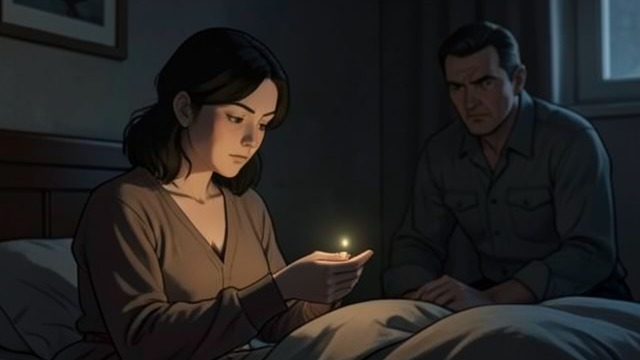
A Word in Sleep
Catalina’s warning
Catalina tells Lucas that he spoke in his sleep and said “war,” as he had before. He treats the repetition as strange but does not explain it.
Private tension surfaces
The word gives an audible shape to conflict he has avoided discussing. His secret trip and divided loyalties make the utterance feel less accidental in retrospect.
The Secret Message

A Second Meaning
A concealed rendezvous
Lucas emails Guerra to confirm their meeting. He is careful with his private correspondence because he wants a mental space that Catalina cannot enter.
The word returns
His inward language of war now sits beside an actual secret. The boundary he claims to need has become a hiding place for desire and deception.
A Tattooed Emblem

War on the Skin
Choosing a symbol
While intoxicated, Lucas asks for symbols meaning war and chooses a triskele. He describes the tattoo as an antitatoo, an aid to forgetting rather than a memorial to Guerra.
The body records the day
The act converts a passing idea into a mark he must carry. Its meaning is unstable: a private emblem of conflict, a souvenir of the affair, and an impulsive choice made under pressure.
The Domestic War

Conflict Without Declaration
Small acts of retaliation
Lucas recalls the parents competing to avoid rising when Maiko wakes early. Whoever gets up makes loud kitchen noise to punish the one who remains in bed.
The word left unsaid
Beneath their jokes and household routines, Lucas remembers thinking that he wanted war with Catalina. The repeated dream word becomes a confession of anger he could not speak directly.
A Changed Relation to Conflict
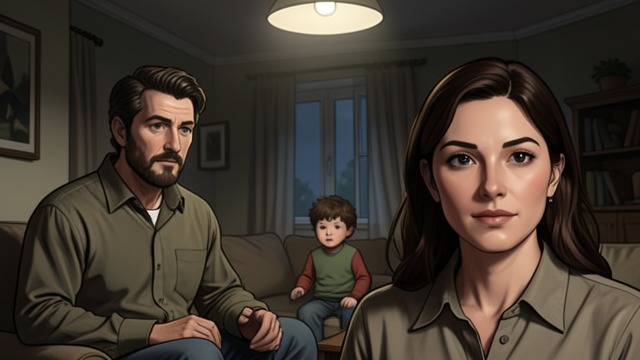
After the Break
Naming the damage
Lucas addresses Catalina with tenderness while recounting betrayal, anger, and the collapse of their marriage. The language of war no longer organizes every exchange between them.
Peace without reunion
They remain connected through Maiko and their shared history, but the old household is gone. Lucas’s continuing love does not erase the conflict; it allows him to imagine a less hostile family arrangement.
At dawn, as Lucas prepares to leave home
At sunrise, aboard the ferry
Late afternoon, inside the tattoo shop
In the later account of weekend mornings with Maiko
Near the close, after Lucas and Catalina have separated
