
The Idealized City
La uruguayaLucas’s imagined Montevideo is gradually displaced by the tangible city, which remains both intimate and alien after the trip.
increasing Bearing strength in each event
 decreasing
Bearing strength in each eventdecreasingA City Made from Messages

Distance Builds a City
Images sent across the river
Guerra sends Lucas songs, videos, and small views of Montevideo. He combines them with fragments of memory to create a city that seems to belong to their private correspondence.
Desire shapes geography
Lucas becomes attached both to Guerra and to the place where she lives. His imagined Montevideo is less a map than a landscape organized around anticipation.
Arrival in the Terminal

Familiar but Different
Recognition with a twist
Lucas notices familiar speech and habits alongside unfamiliar brands, vocabulary, and gestures. The city feels close to Argentina yet distinctly elsewhere.
A dreamlike threshold
He describes the place as similar but not the same, as if it belonged to a dream. The first hours begin to loosen the idealized image without destroying its appeal.
Walking the Imagined Map
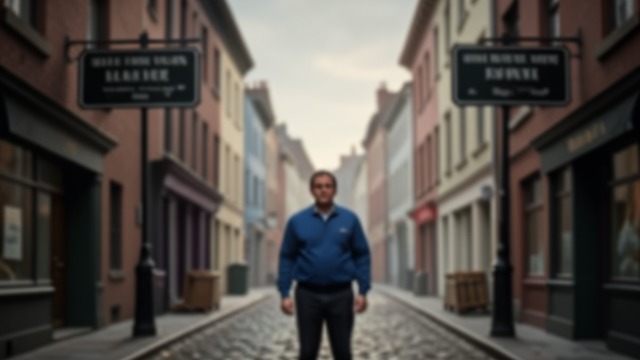
A Personal Cartography
Familiar landmarks
Lucas uses Avenida 18 de Julio as the spine of his mental map, attaching streets and districts to memories, literary references, and Guerra’s videos.
The city as projection
He admits he has walked more through an imagined Montevideo than the real one. His romantic geography makes the ordinary streets seem charged with private meaning.
A Poem in the Streets
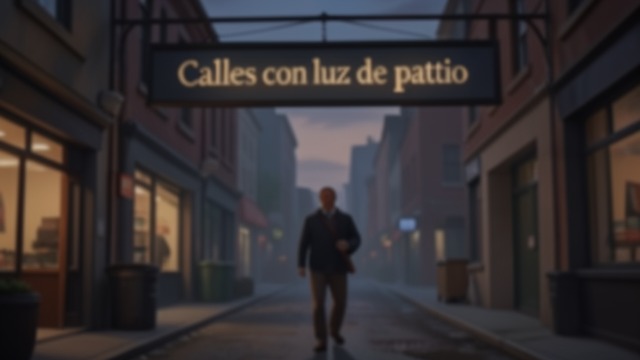
Reading the City
Borges as guide
Lucas remembers versions of a poem about Montevideo and attends to the revisions that made its images quieter. “Calles con luz de patio” becomes a phrase for the city’s modest, welcoming atmosphere.
Literature meets place
The actual street and the remembered poem overlap. Lucas’s vision remains literary, but the city’s particular light and movement resist being reduced to fantasy.
The Other Side of the River
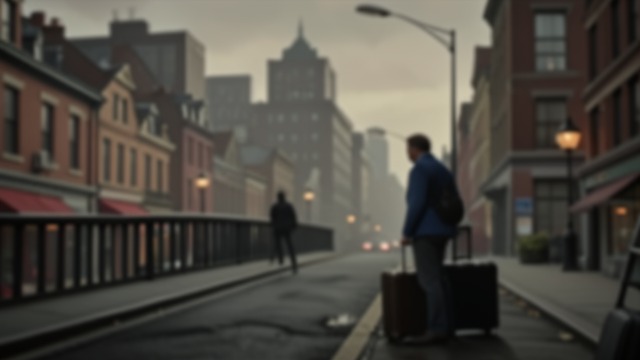
Intimacy and Danger
The city’s double face
After the attack, Montevideo seems capable of tenderness, hospitality, and danger at once. Enzo warns Lucas not to treat Uruguay as a harmless Argentine province.
The ideal remains unsettled
Lucas cannot decide whether Guerra betrayed him, and the unresolved robbery becomes part of his picture of the city. Montevideo remains loved precisely as a place he cannot fully know.
In the months before the September visit
Around noon, after Lucas reaches Terminal Tres Cruces
Early afternoon, along Avenida 18 de Julio
Early afternoon, on the way toward the lunch meeting
After the robbery, during the evening return journey
