
Connie’s Marriage to Wragby
Lady Chatterley's LoverThis flow follows how Connie’s sense of home changes as Wragby shifts from inherited residence to an intolerable symbol of her marriage.
increasing Bearing strength in each event
 decreasing
Bearing strength in each eventdecreasingA House Without Welcome
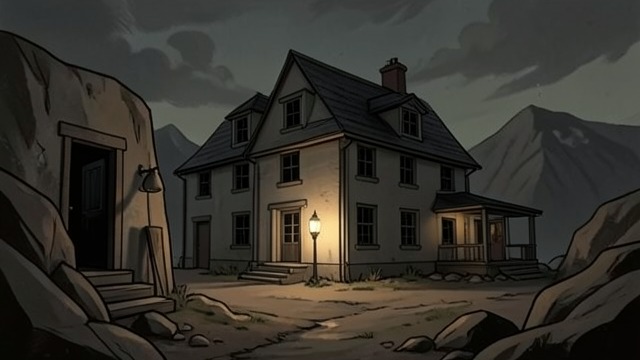
A House Without Welcome
A home in name only
Connie returns with Clifford to Wragby Hall, a large old house surrounded by a mining landscape. The estate carries family history but feels rambling, gloomy, and detached from the village beside it.
The house’s servants and routines preserve its operation without creating an organic household. Connie soon experiences its rooms as part of a life that is orderly yet emotionally empty.
A social boundary
The people of Tevershall and the occupants of Wragby observe one another across a gulf neither side knows how to cross. Connie’s title does not give her meaningful contact with the villagers.
Home therefore begins as an inherited social position, not a shared human community. Its failure to create connection becomes central to Connie’s later wish to leave.
The Hut as Another Home
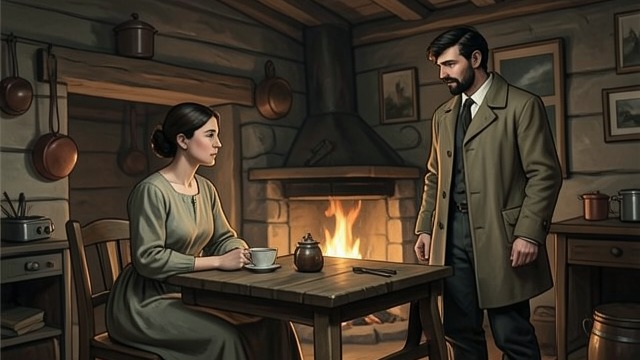
The Hut as Another Home
A modest intimacy
Mellors’s cottage is small, plain, and organized around his own work. Connie finds there a kind of stillness and personal presence absent from the larger household at Wragby.
Meals, fires, and shared nights give domestic actions a warmth that cannot be supplied by status or servants. The cottage becomes emotionally significant without being presented as a secure or finished home.
The limits of refuge
Connie wants to remain with Mellors and imagines a life away from Wragby. Mellors cautions that the wider world will not disappear, and their practical circumstances remain unsettled.
The cottage offers a lived alternative to Wragby’s formal household, but not a permanent escape. Their sense of home depends on an intimacy they must carry beyond the cottage walls.
Leaving the Household
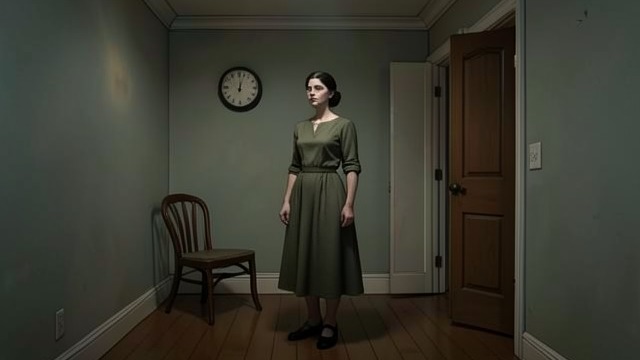
Leaving the Household
Home becomes a threat
After confessing her relationship with Mellors, Connie returns to Wragby and experiences the house as menacing. She feels less like its mistress than a victim forced back into an established role.
Clifford’s insistence on her return makes ordinary rooms and routines feel charged with pressure. The familiar setting no longer provides security because its social order denies her choice.
A departure without closure
Connie leaves with Hilda after Clifford refuses divorce. She does not leave with a guaranteed household or marriage, but she refuses to remain in the one she can no longer inhabit.
The novel’s final movement separates home from property. A future home with Mellors is imagined in work, tenderness, and mutual choice, but its realization remains beyond the ending.
On the Chatterleys’ return in autumn 1920
During Connie’s later stays at Mellors’s cottage
On the morning Connie leaves Wragby for the final time
