
The Fight Over Who May Define Connie
Lady Chatterley's LoverThis flow traces the competing claims over Connie’s body and future, from Clifford’s proposed arrangements to Connie’s insistence on making her own choice.
increasing Bearing strength in each event
 decreasing
Bearing strength in each eventdecreasingPermission Without Equality
Permission Without Equality
An offer on Clifford’s terms
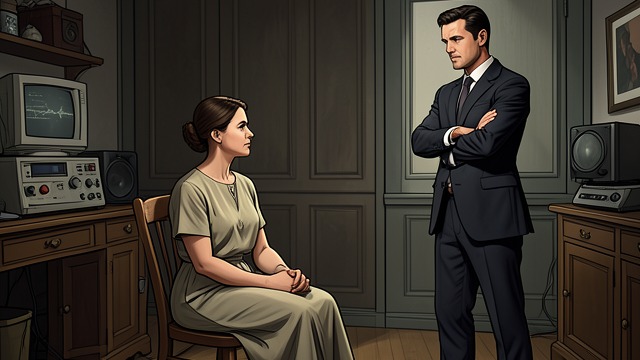
Clifford tells Connie that she may have a child by another man while remaining his wife. He presents the plan as an accommodation that preserves their shared life and the Chatterley succession.
The offer sounds permissive, but it leaves Clifford in control of the household’s meaning. He assumes that sex and parenthood can be separated from the other people involved.
Connie tests the premise
Connie asks whether the identity and feelings of the father matter. Her questions expose what Clifford’s practical reasoning leaves out: another person cannot be reduced to a means of producing an heir.
The disagreement is initially quiet, but it anticipates a deeper conflict over whether Connie’s body is hers to direct or a resource for Wragby.
The Chair on the Hill
The Chair on the Hill
A breakdown of command
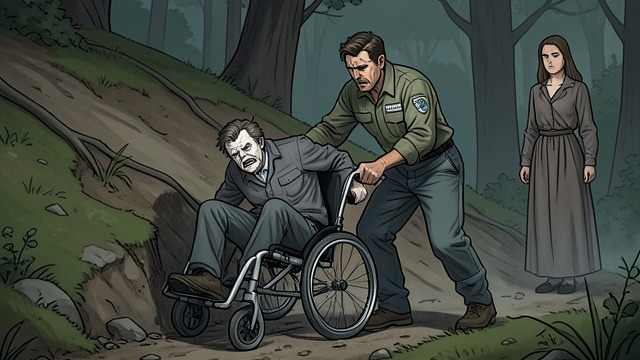
Clifford’s motorized chair fails on the slope, and Mellors pushes it despite Clifford’s repeated demands that he stop. Connie sees Clifford’s insistence on control put the keeper’s health at risk.
The physical breakdown interrupts Clifford’s abstract claims about ruling and service. The situation makes dependence visible: his movement requires the labor of the people he treats as subordinate.
Connie takes a side
Connie helps Mellors push the chair and later tells Clifford that his behavior was inconsiderate. Her anger marks a change from polite mediation to explicit opposition.
The incident sharpens her recognition that class authority does not equal moral authority. It also brings her feelings for Mellors into the practical world of work and power.
The Marriage Ultimatum
The Marriage Ultimatum
Love meets legal power
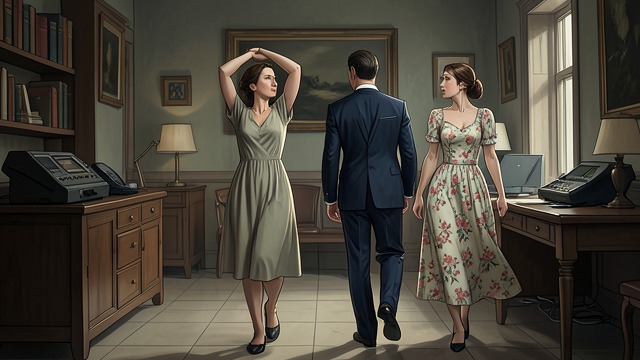
Connie tells Clifford that she loves Mellors and wants to leave. Clifford rejects her account and argues that she remains his wife and should preserve the established order at Wragby.
When Connie reveals that Mellors, not Duncan Forbes, is the man she loves, Clifford responds with contempt and class disgust. He treats the relationship as an insult to his household and authority.
A choice despite refusal
Clifford refuses to divorce Connie, even though she asks him to do so. His legal power can delay her future but cannot make her return to a life she has rejected.
Connie leaves with Hilda. The conflict ends in physical separation, not agreement, leaving the legal and social struggle unresolved.
During Clifford’s proposal about another man fathering a child
During the walk when Clifford’s chair fails in the wood
During Connie’s confrontation with Clifford near the ending
