
The Novel’s Argument About Words
Lady Chatterley's LoverThis flow traces the novel’s distrust of abstract talk and its persistent attempt to use language to lead readers toward bodily knowledge.
increasing Bearing strength in each event
 decreasing
Bearing strength in each eventdecreasingConversation as a Substitute
Conversation as a Substitute
Thought first
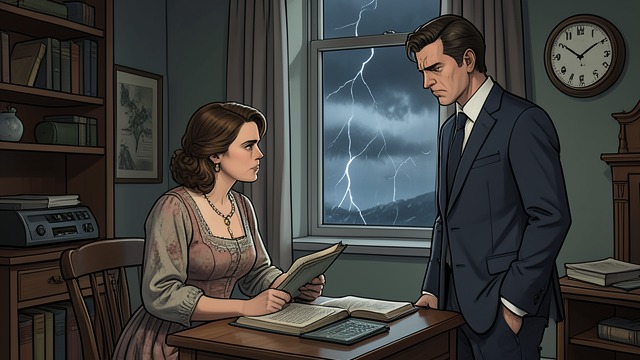
Connie’s youthful attachments depend on discussion and intellectual exchange. Sexual contact follows as a secondary event, sometimes experienced as an intrusion on the freedom she associates with thought.
This pattern reveals how language can create an appearance of intimacy while keeping bodily desire at a distance. The young women speak passionately but often do not know what they want physically.
A problem carried forward
The same priority returns in Connie’s marriage, where conversation and Clifford’s writing organize their common life. Their shared language becomes a habit that conceals a lack of contact.
The novel does not claim that thought is worthless. It asks what happens when thought becomes the only recognized form of connection and the body is left without a voice.
The Talkers’ Dead End
The Talkers’ Dead End
Ideas without lived contact
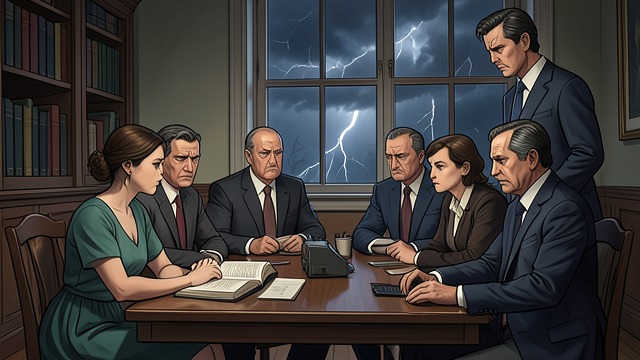
Clifford’s intellectual friends debate sex, marriage, politics, and the mind while Connie sits quietly among them. Their conversation is clever, yet often turns human experience into an abstract problem.
Tommy Dukes challenges the group’s reliance on mental analysis, arguing that knowledge includes bodily awareness. Connie recognizes the force of his critique even while the discussion remains a verbal performance.
The narrator’s own contradiction
The novel repeatedly lectures about the limits of talk using a narrator who depends on language to make its case. That tension is deliberate but unresolved: ideas are used to direct attention toward what they cannot fully capture.
The book asks readers to experience the difference between dead formula and responsive language. Its argument is not silence, but a form of writing that keeps feeling and thought in contact.
A Vocabulary for Tenderness
A Vocabulary for Tenderness
Words from separation
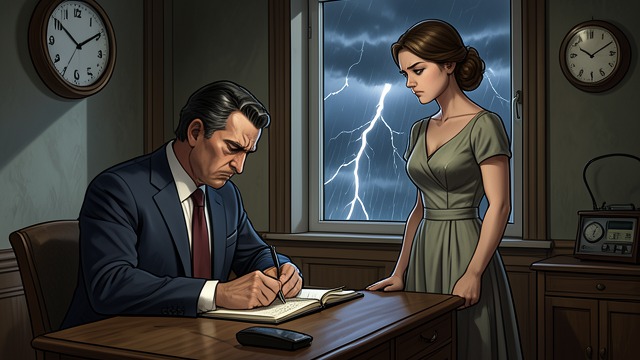
Apart from Connie, Mellors writes at length about their intimacy, his fear of the future, and his hope for a life together. His words become necessary because he cannot offer the direct comfort of touch.
The letter contrasts with the novel’s suspicion of talk. Mellors knows that language can fail, yet he uses it to sustain a bond during a period when physical closeness is impossible.
Language reaching beyond itself
Mellors imagines their connection as a small flame that must survive distance and public pressure. The image does not replace their bodily relationship; it records what he hopes it can preserve.
The novel’s treatment of words is therefore ambivalent. Talk becomes empty when it avoids experience, but language can also carry tenderness when it acknowledges its limits.
In the early account of Connie’s youth
During the early dinner conversations at Wragby
During Mellors’s letter from Grange Farm
