
The Fight Over the Divorce
Lady Chatterley's LoverThis flow follows the lovers’ efforts to become legally free, showing how marriage law and social reputation obstruct their intended life together.
increasing Bearing strength in each event
 decreasing
Bearing strength in each eventdecreasingMellors Seeks Freedom
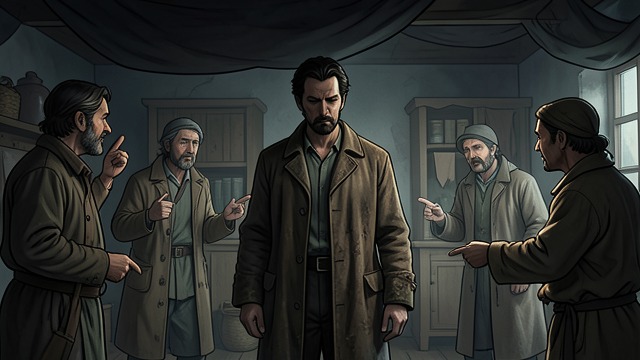
Mellors Seeks Freedom
An unfinished separation
Mellors remains legally married to Bertha Coutts, although their relationship has long since become hostile. Connie urges him to seek a divorce so that their future will not be governed by the old marriage.
He dislikes courts, officials, and public exposure. He nevertheless recognizes that his unresolved status could bring Bertha back into his life and endanger any shared future with Connie.
A necessary step
Mellors decides to pursue a divorce, accepting a process he would rather avoid. His decision is practical as well as emotional: it is an attempt to close a relationship that still has legal force.
The decision does not guarantee success. Bertha remains unpredictable, and the lovers must take account of a law that can shape their lives without reflecting their actual feelings.
A Scheme for Respectability
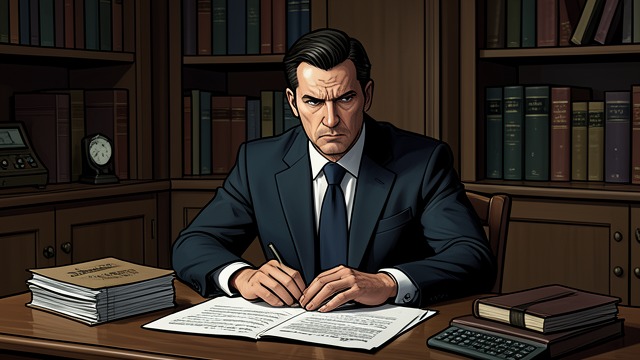
A Scheme for Respectability
A proposed substitute
Hilda suggests that Duncan Forbes could be named as a co-respondent in Connie’s divorce case, keeping Mellors’s name out of the proceedings. The plan might protect his effort to divorce Bertha.
The proposal treats reputation and legal proof as problems that can be managed through a carefully chosen fiction. It offers a route forward, but it asks another person to accept public blame for a relationship he did not have.
Mellors’s objection
Mellors questions why Duncan should take responsibility when Connie has not been his lover. The question reflects his distrust of respectability achieved through contrivance.
He eventually agrees to consider the arrangement because the lovers have few alternatives. Their decision shows how intimate freedom becomes entangled in legal systems they regard as irrational but cannot simply ignore.
Clifford Refuses Release
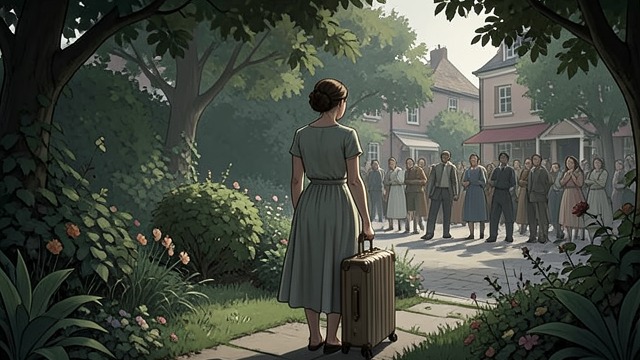
Clifford Refuses Release
The request for divorce
Connie asks Clifford to divorce her so that she can leave their marriage formally as well as in fact. He argues that she should remain under his roof and treats her decision as a passing whim.
When she reveals that Mellors is the man she loves, Clifford’s refusal becomes more rigid. He resents the working-class lover and the public meaning of Connie’s choice.
A legal impasse
Clifford says he will never divorce Connie, offering no solution beyond his own inclination. Connie leaves, but she does so knowing that the formal tie remains.
The impasse prevents the lovers from marrying at the end of the novel. Their separation from Wragby is decisive, while their legal freedom remains a future problem.
After Connie and Mellors begin their relationship
After Connie and Mellors reunite in London
During Connie’s final visit to Wragby
