
Race and Segregation in Baltimore
Lady in the LakeThis conflict flow traces the racial barriers and changing neighborhoods that frame the novel's every relationship.
increasing Bearing strength in each event
 decreasing
Bearing strength in each eventdecreasingBPD Segregation
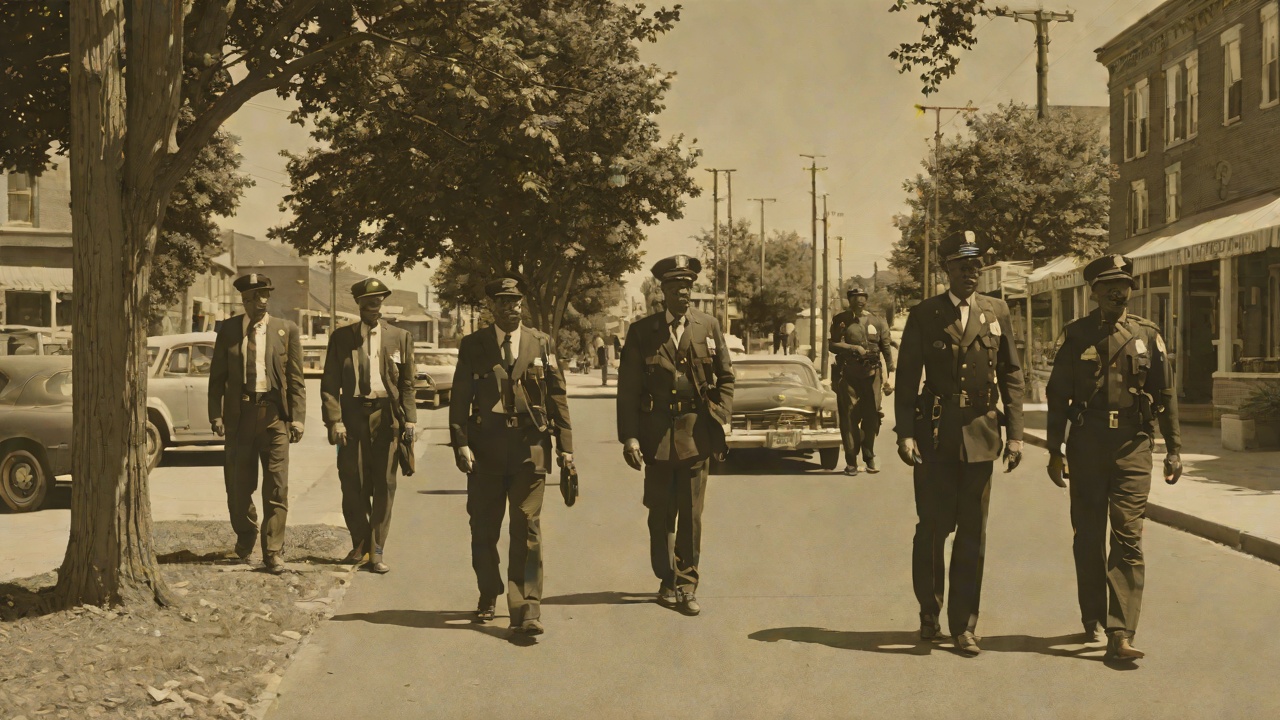
BPD Segregation
Ferdie Platt explains that the police department is segregated: Negro cops walk patrols, cannot use cars, and lack radios.
Context
His own access to a patrol car is a quiet act of rebellion and corruption. Maddie is shocked by how little she knew about his world.
Significance
The segregated department is a microcosm of Baltimore. Ferdie's ambition is blocked by the color of his skin as surely as Maddie's is blocked by her gender.
Changing Neighborhoods

Changing Neighborhoods
Maddie moves to Gist Avenue and realizes her new neighborhood is mixed, on its way to being not so mixed. The white residents are fleeing to Pikesville.
Context
Jews had fled after the Negroes came; Negroes now flee as poorer Negroes arrive. Maddie's old neighbors snub her as the undesirable one.
Significance
The neighborhood churn exposes the economics of racism. Maddie's desire for a safe, private space is inseparable from racial anxiety.
Riots Elsewhere
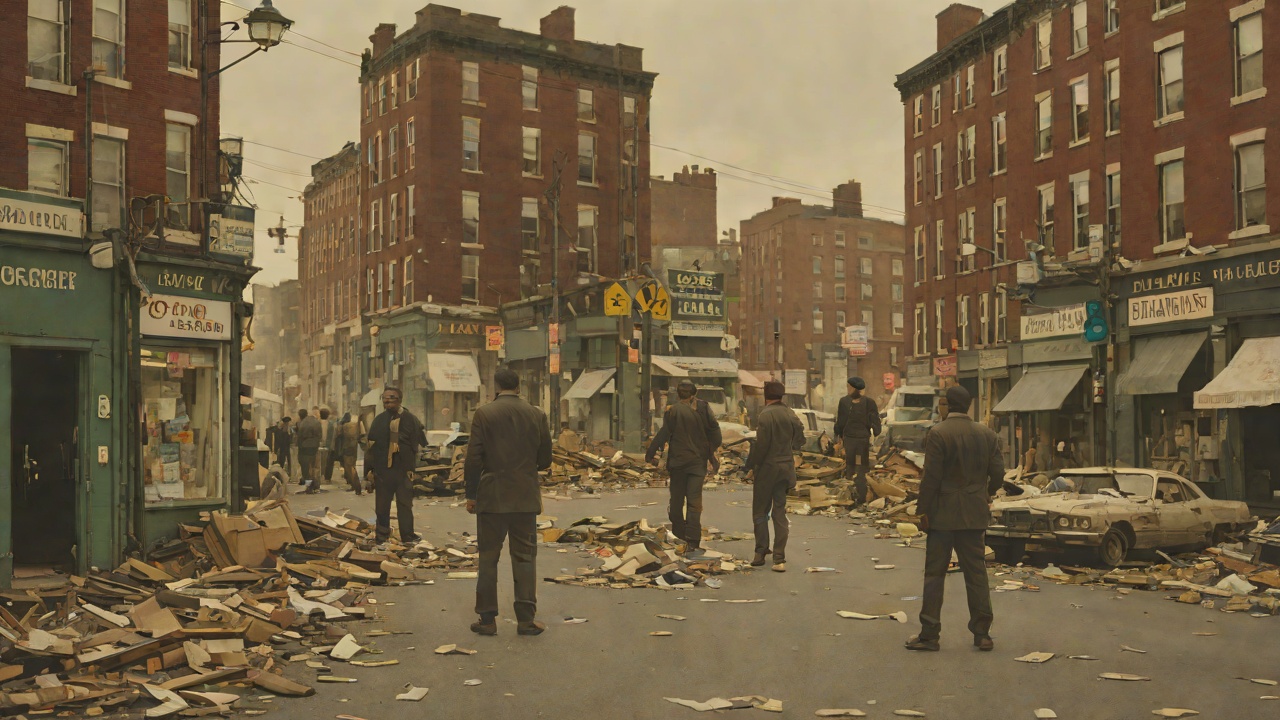
Riots Elsewhere
As riots break out in other cities, Baltimore waits nervously. Calvin Weeks sends Maddie to cover a feel-good story about Lady Law.
Context
Newspapers run stories trying to show they do more than report riots and muggings. The city holds its breath.
Significance
The national unrest threatens to erupt locally. Ferdie warns Maddie that her investigations in Negro neighborhoods could get her hurt.
Negro Cops Advance
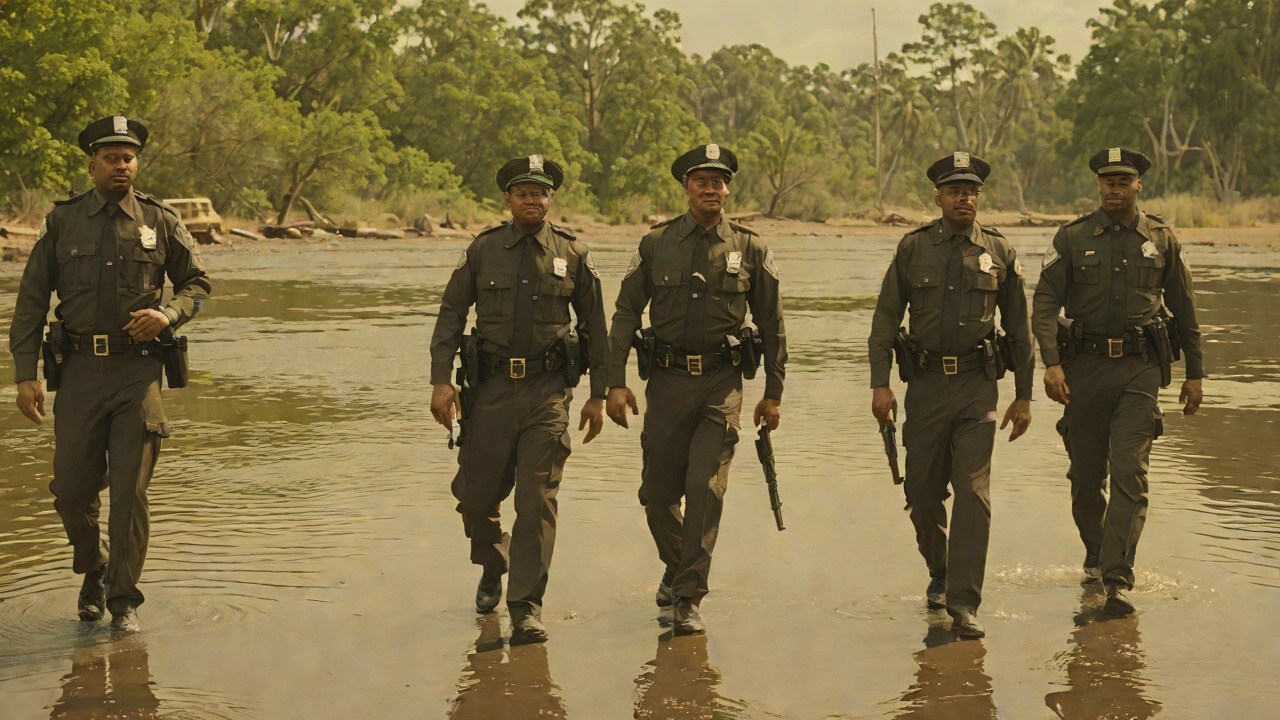
Negro Cops Advance
The new police commissioner begins to promote Negro officers, and Ferdie believes his detective dream is finally within reach.
Context
The change is too late for him. His secret relationship with Maddie is already being used against him.
Significance
The reforms show that institutions can change, but only for those who survive the transition. Ferdie is sacrificed by the old system before the new one can save him.
Black Lives in Newspaper
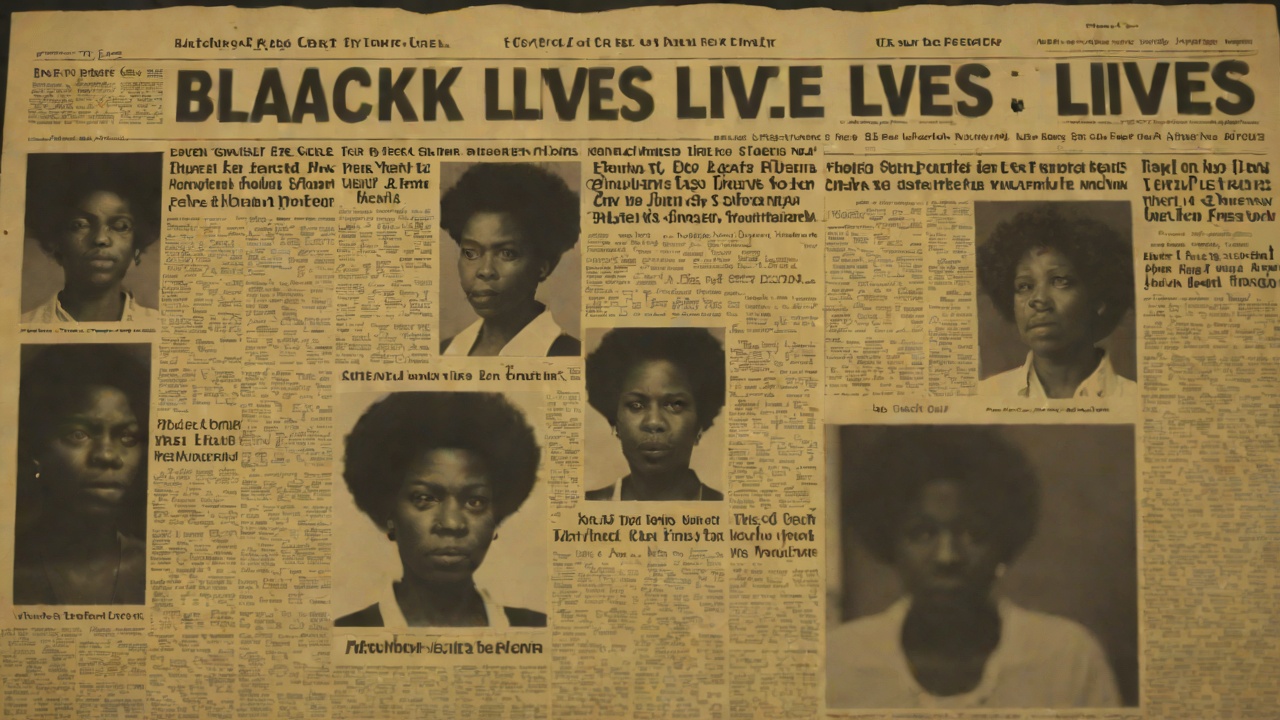
Black Lives in Newspaper
Cleo Sherwood's death is barely covered by white newspapers, while the Afro-American treats it as a family tragedy. Maddie fights against this invisibility.
Context
Bob Bauer tells her the Lady in the Lake is not a story because the victim was a Negro barmaid. Ferdie and the police echo the sentiment.
Significance
The racial bias of the press is not incidental but systemic. Maddie's investigation is a move to make a Black woman's life matter.
1985 Reunion
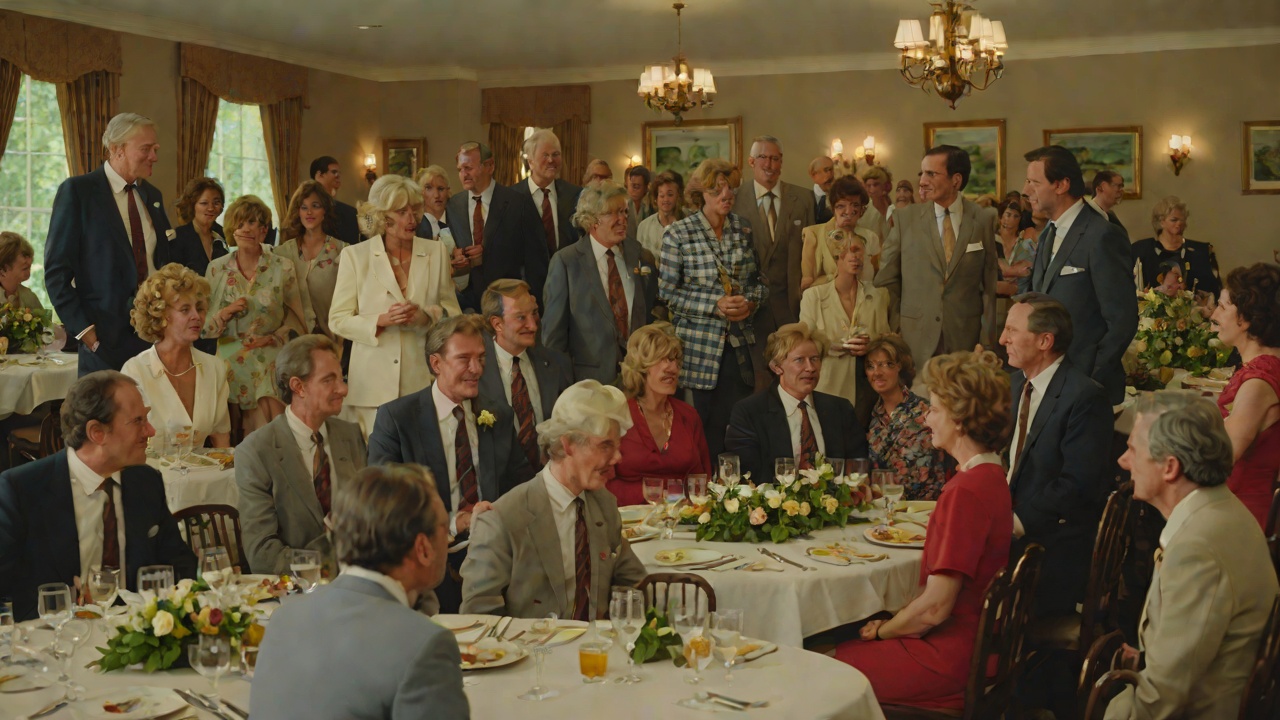
1985 Reunion
At a political fundraiser in 1985, Maddie sees Ferdie across the room, now rich and married, and understands what the city has become: still segregated, still unequal.
Context
Baltimore has changed and not changed. Ferdie is a local power, and Maddie is a famous columnist, but they cannot approach each other.
Significance
The reunion is a quiet verdict on racial progress. The barriers that once separated them have shifted, but the distance remains.
January 1966
January 1966
July 1966
October 1966
June 1966
October 1985
