
Crime and Punishment
Lady in the LakeThis conflict flow follows the twists of justice in the Tessie Fine and Cleo Sherwood cases.
increasing Bearing strength in each event
 decreasing
Bearing strength in each eventdecreasingTessie Found

Tessie Found
Maddie finds Tessie Fine's body near Cylburn Avenue, and Stephen Corwin is quickly identified as the killer. The search for the accomplice begins.
Context
The police initially suspect Maddie and Judith before turning to the pet shop clerk. The evidence against Corwin is strong but incomplete.
Significance
The case sets up the legal machinery that will later involve Angela Corwin and Maddie. The body is proof that a little girl's life could be extinguished by rage.
Lady in Lake Unclaimed

Lady in Lake Unclaimed
Cleo Sherwood's body is found in the fountain, but the police cannot determine cause of death and the newspapers treat the case as a nonstory.
Context
Ferdie tells Maddie that the death of a Negro woman is not news. The Afro-American has covered it, but white Baltimore is indifferent.
Significance
The unequal response to the two murders becomes a moral challenge. Maddie's investigation is an attempt to force the justice system to care.
False Confession

False Confession
Thomas Ludlow confesses to killing Cleo Sherwood, but the confession is engineered by Shell Gordon to make Maddie stop investigating.
Context
Ludlow loves Cleo and agrees to take the fall. His confession has too much detail, suggesting it was rehearsed.
Significance
The justice system accepts a cover story because it is easier than the truth. Cleo remains officially dead, and Latetia is erased.
Courthouse Shooting
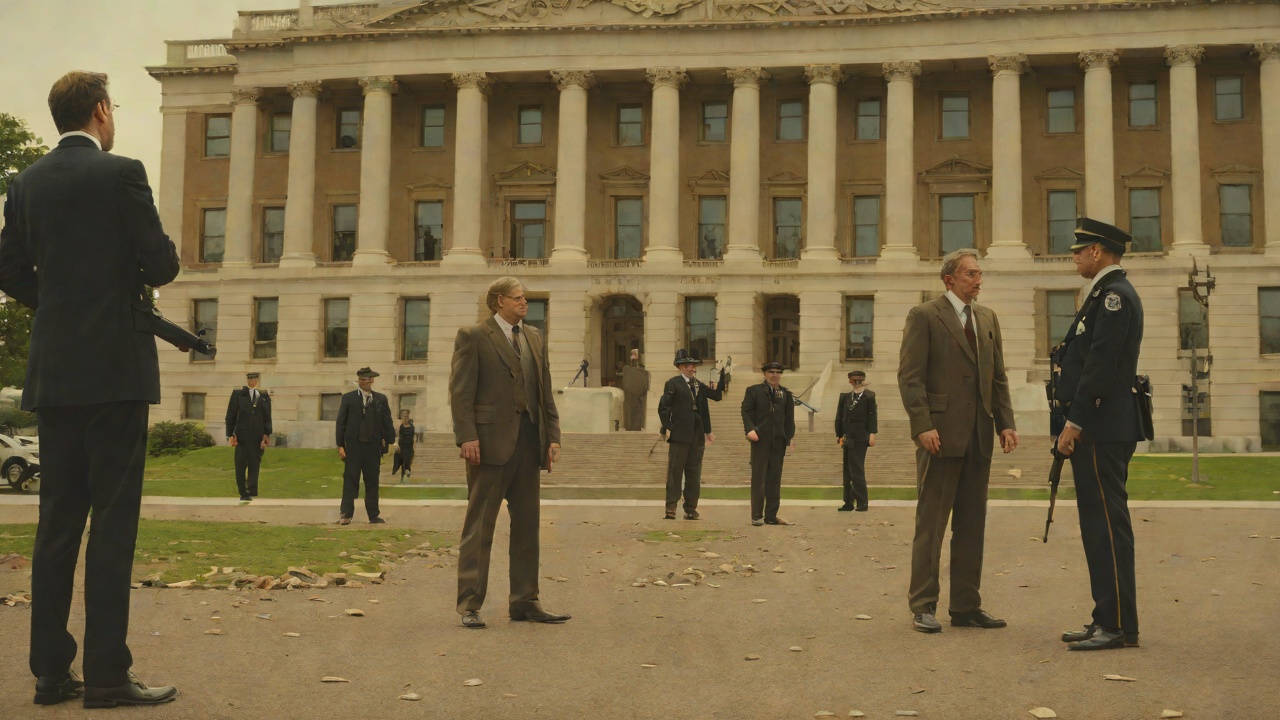
Courthouse Shooting
Cleo's father shoots Thomas Ludlow outside the courthouse, grazing a police officer. He is arrested and later dies in prison.
Context
Mr. Sherwood has no idea Cleo is alive. His desperate act is both vengeance and grief, born from believing his daughter was murdered.
Significance
The shooting turns a grieving father into a felon. It also creates the story that allows Maddie to write a sidebar about Merva.
Mother Gets the Knife

Mother Gets the Knife
Angela Corwin stabs Maddie and confesses her role in Tessie's death. She is arrested, tried, and convicted of first-degree murder.
Context
The accomplice hunt ends with the most conventional suspect: a protective mother. The legal system finally has someone to punish.
Significance
The conviction completes the Tessie Fine case but does not restore the child. Punishment becomes theater, and the real family dynamics remain hidden.
Punishment Mismatch

Punishment Mismatch
Stephen Corwin's death sentence is commuted to life in 1972. Mr. Sherwood dies in prison for a crime committed in grief. Thomas Ludlow serves years for a death that never happened.
Context
The justice system is arbitrary, influenced by race, gender, and the mechanics of plea bargains. The truth about Cleo remains hidden.
Significance
The flow ends in a moral fog. Punishment is distributed unevenly, and the Lady in the Lake's true story never reaches a courtroom.
March 1966
June 1966
September 1966
September 1966
November 1966
after 1966
