
Beauty and Its Price
Lady in the LakeThis thematic flow examines how female beauty functions as currency, weapon, and curse in the novel.
increasing Bearing strength in each event
 decreasing
Bearing strength in each eventdecreasingCleopatra's Nose

Cleopatra's Nose
Cleo earns her nickname because her straight nose resembles Cleopatra's profile. Beauty marks her as special and also as a target.
Context
Milton Schwartz taunts her as a poor jig in his father's store. Lady Law rescues her and validates Cleopatra's Nubian identity.
Significance
Beauty gives Cleo a crown and a wound. It will draw men to her and set the engine of her tragedy in motion.
Maddie's Mirror
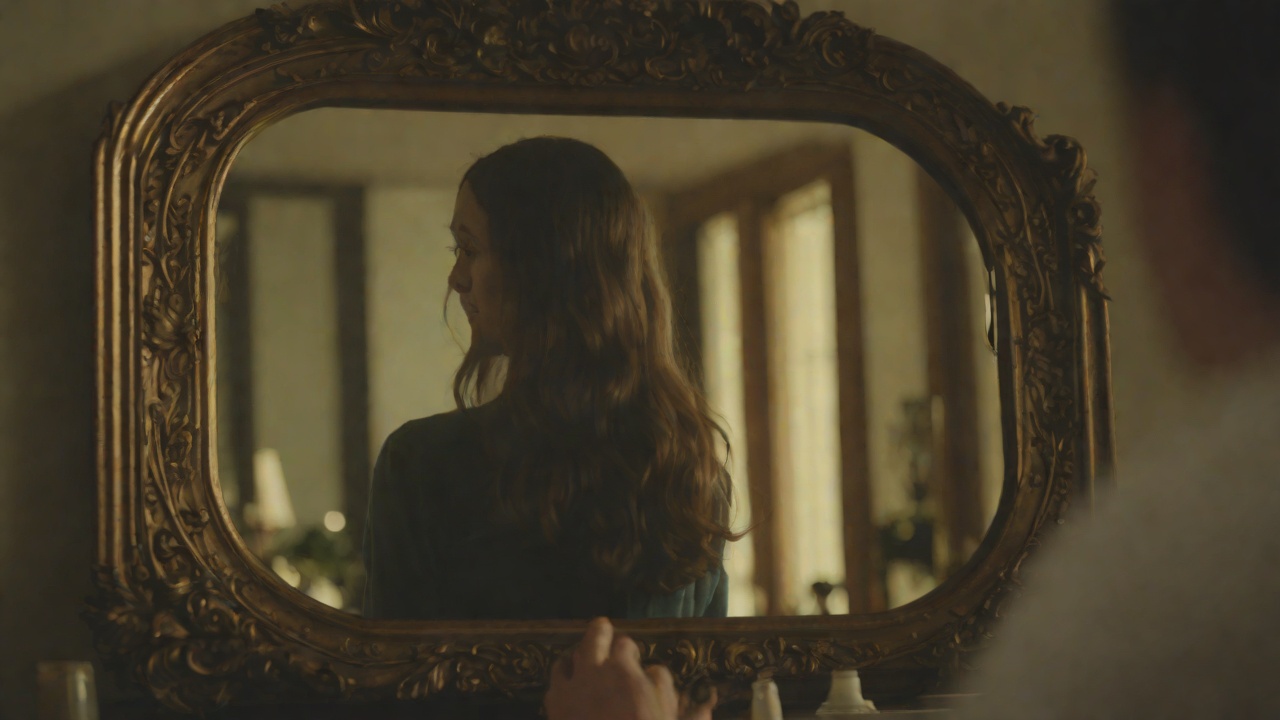
Maddie's Mirror
Maddie looks in the mirror and sees a beautiful woman who still looks youthful at thirty-six. She has one silver streak, which she calls dashing, and plucks the rest.
Context
Her appearance is her primary social capital. She works to maintain it while pretending it is effortless.
Significance
The mirror scene establishes Maddie's relationship to beauty as both asset and trap. Her looks make her desirable, but they also threaten to define her.
Kitchen Magician Archery
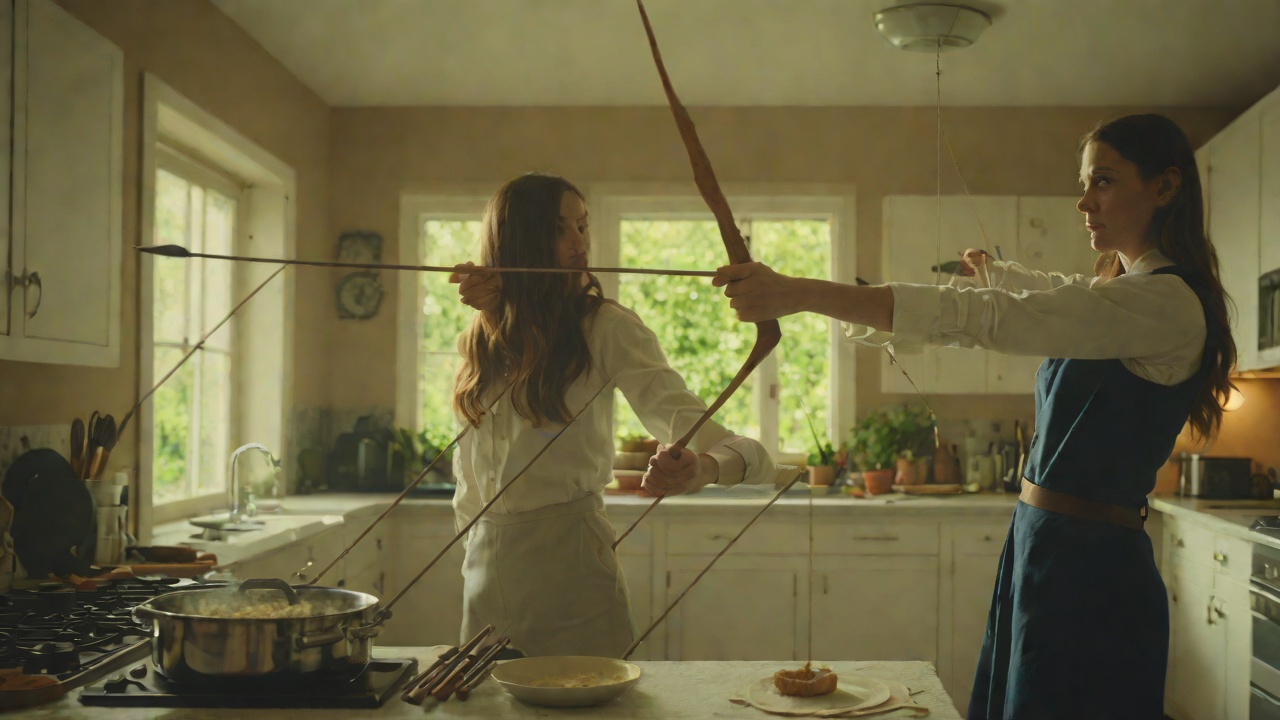
Kitchen Magician Archery
Maddie has her hair ironed in a stranger's kitchen, a physical act of self-transformation that feels like surrender.
Context
The straight hair makes men stare at her, but it also marks her submission to Ferdie's taste. She is reshaping herself for a secret lover.
Significance
Beauty work is a form of labor and a form of lying. Maddie learns that the self is a costume that can be changed.
Marilyn's Corpse
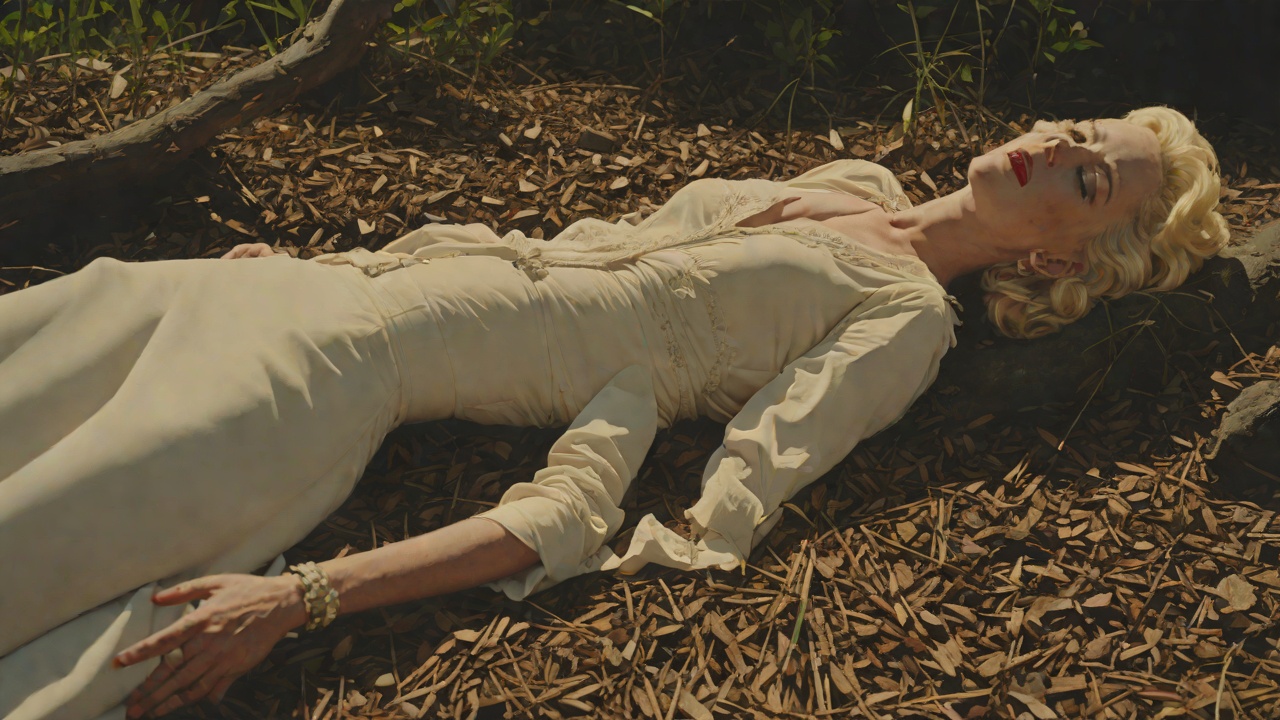
Marilyn's Corpse
Maddie thinks of Marilyn Monroe, who wanted to leave a beautiful corpse. Standing before Cleo's ruined body, she knows no one leaves a beautiful corpse.
Context
Every day Maddie is a little less beautiful. The morgue visit forces her to confront mortality and the cruelty of time.
Significance
The thought connects female beauty to death. Cleo's corpse is the opposite of glamour, an undoing of every crown.
Little Man's Fury
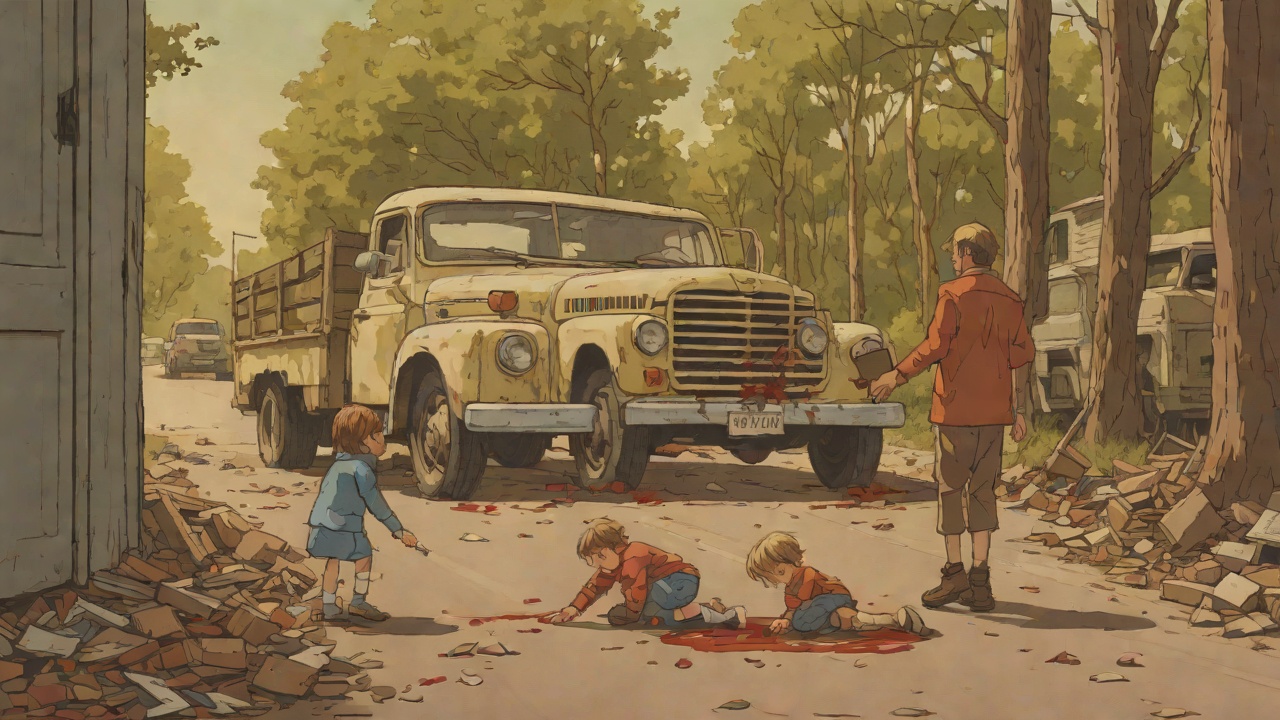
Little Man's Fury
Lionel throws a Tonka truck at Maddie, shredding her stockings and drawing blood. The boy is protecting his grandmother and his mother's memory.
Context
Cleo's beauty has made his mother a target, and Lionel's rage is the only weapon he has. He is the first man to physically hurt Maddie.
Significance
Beauty's price is paid by the next generation. Cleo's sons inherit her absence, and their anger is a legacy of her legend.
Age at the Lectern
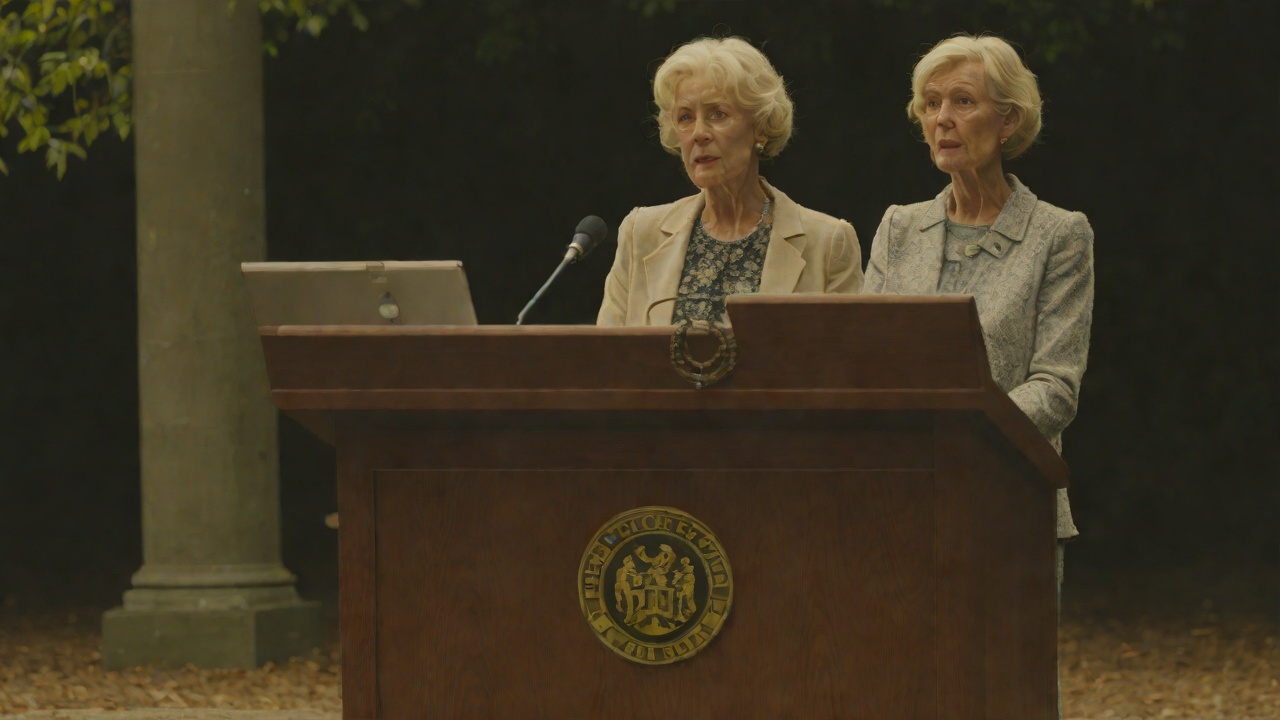
Age at the Lectern
Maddie is about to turn fifty-seven and still knows she looks good, but beauty is no longer the basis of her power. Her column and her readers sustain her.
Context
She has a young gardener lover and a gay judge companion. She remains visible and desired, but on her own terms.
Significance
The final portrait of Maddie shows beauty transformed from currency to one element of a broader life. She has survived, which is its own form of beauty.
Cleo's childhood
October 1965
February 1966
June 1966
June 1966
October 1985
