
Invisibility and Being Seen
Lady in the LakeThis thematic flow explores the novel's central obsession with who is visible and who is forgotten.
increasing Bearing strength in each event
 decreasing
Bearing strength in each eventdecreasingTemple Sidewalk Encounter
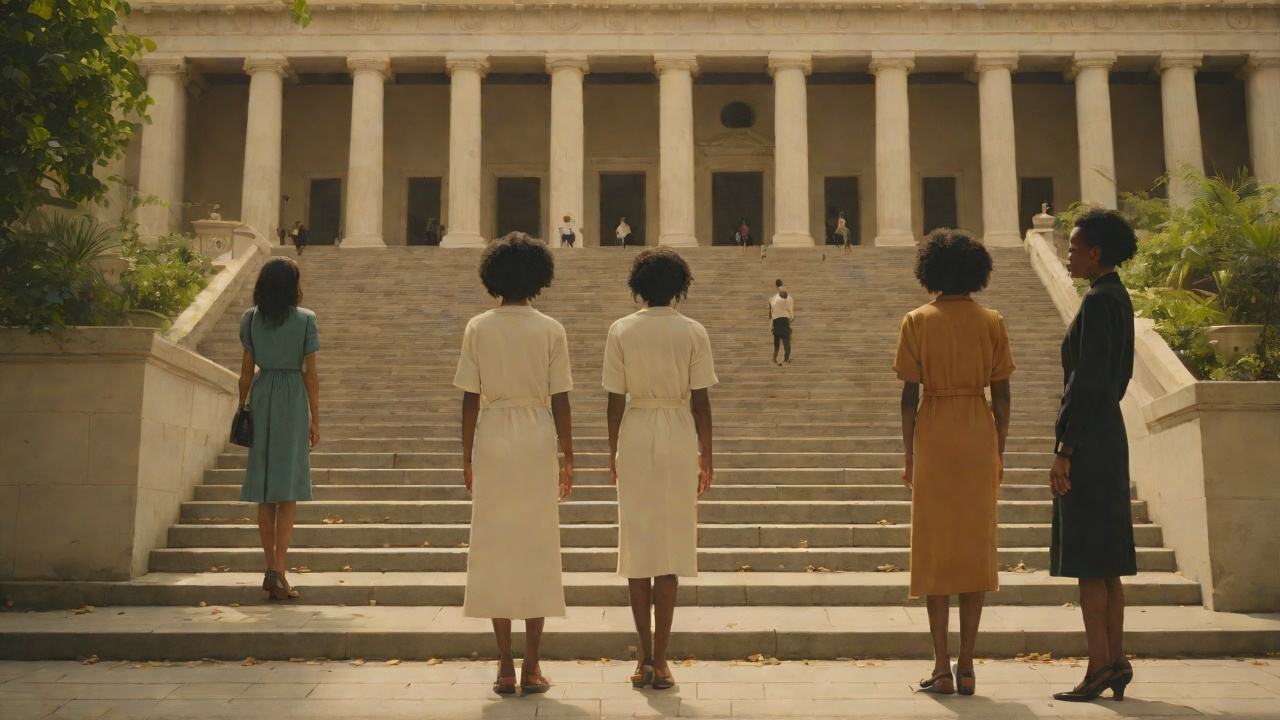
Temple Sidewalk Encounter
Cleo sees Maddie at the temple steps and knows that Maddie saw her too. The glance is a contest between two women, one white and one Black, both assessing their worth.
Context
Cleo is wearing a ratty coat and bare legs; Maddie is in black fur and shiny stockings. The moment teaches Cleo the equation between beauty and money.
Significance
The encounter frames the novel as a dialogue between the woman who would be seen and the woman who was never truly seen.
Tessie's Camouflage

Tessie's Camouflage
Tessie Fine's loden coat and brown tights disappear into the gray underbrush, but her red hair flames like wildflowers. She is almost invisible, yet impossible to miss.
Context
The discovery depends on a sliver of shining shoe. Tessie, like Cleo, is a body in a landscape that wants to erase her.
Significance
The visual paradox teaches Maddie that visibility is arbitrary and often accidental.
Faceless Corpse
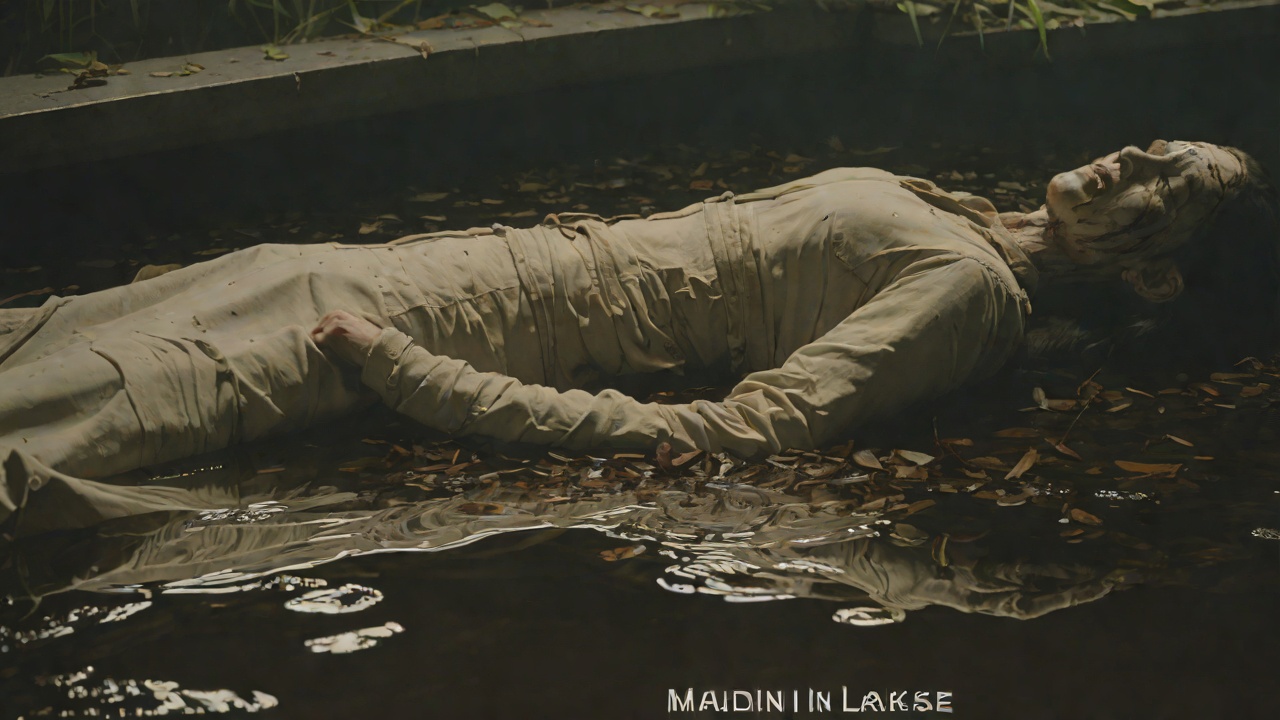
Faceless Corpse
In the morgue, Maddie sees Cleo's faceless corpse and cannot tell if it is white or brown. The Lady in the Lake nickname strips her of identity.
Context
The nickname is meant to make the case interesting, but it also objectifies Cleo. Maddie both resists and uses it.
Significance
The corpse is the ultimate image of invisibility: a human being reduced to a grotesque object in a fountain.
We Cannot Imagine
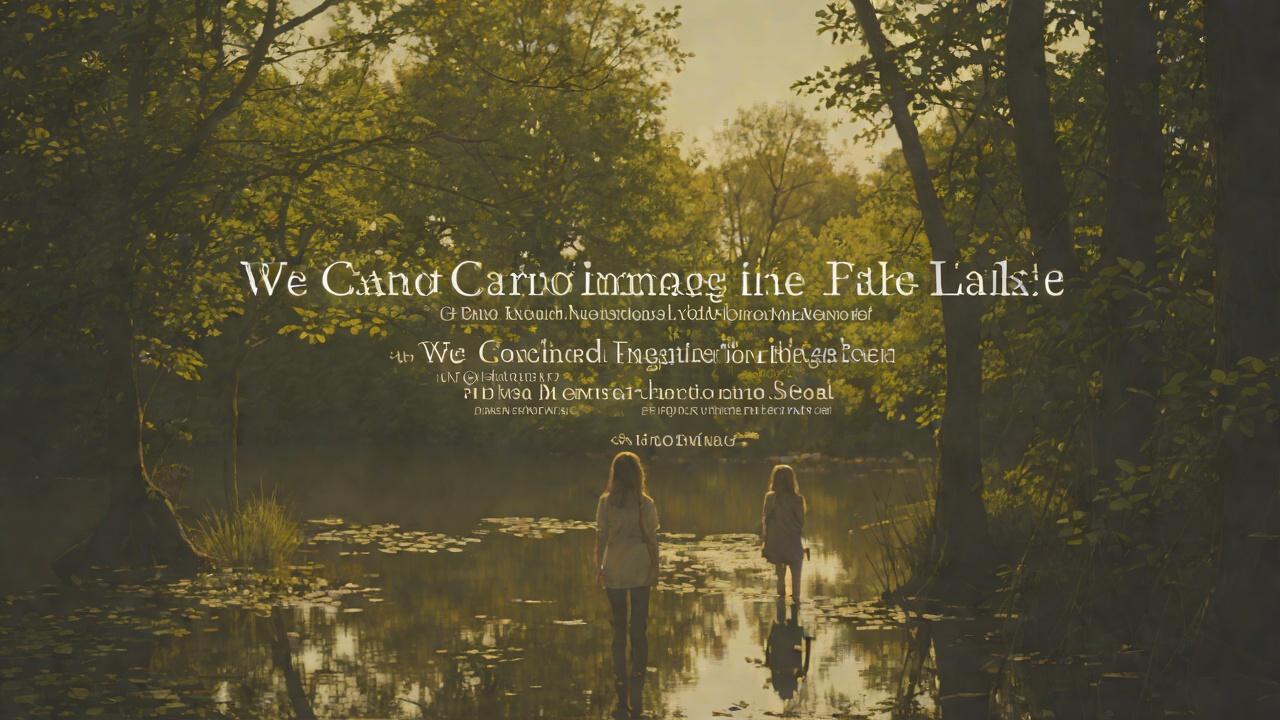
We Cannot Imagine
Violet Wilson Whyte tells Maddie that children cannot imagine what they cannot see. Her words become a motto for Maddie's reporting and for the novel's theme.
Context
The Black policewoman modeled possibility by walking the streets in uniform. She made herself visible so that children could dream.
Significance
The phrase applies to Maddie, Cleo, and the Lady in the Lake. To be seen is to become possible.
Nobody Misses Cleo

Nobody Misses Cleo
Cleo's ghost asks whether she is really missing if almost nobody misses her. The police ignore her disappearance until her mother makes enough noise.
Context
Tessie Fine is missed immediately because she is white and eleven. Cleo waits months for anyone to take her seriously.
Significance
The asymmetry exposes social invisibility. Being missed is a privilege, and Cleo did not have it.
Planchette for Readers

Planchette for Readers
Maddie describes herself as a planchette, an instrument that readers unconsciously guide. She tells stories they want to hear, not necessarily true ones.
Context
Her lecture at the Woman's Club is full of rehearsed self-deprecation. She is more visible than ever, but also more masked.
Significance
The final image of Maddie as a ouija board planchette inverts the theme: the journalist who once made the invisible visible now offers herself as a vessel for public fantasy.
late fall 1964
March 1966
June 1966
June 1966
January 1966
October 1985
