
Newspaper Truth and Ownership
Lady in the LakeThis thematic flow questions who owns a story, who tells it, and what truth the paper can actually contain.
increasing Bearing strength in each event
 decreasing
Bearing strength in each eventdecreasingThe Scoop Stolen
The Scoop Stolen
Bob Bauer takes Maddie's Corwin correspondence and publishes it under his byline, with Maddie reduced to an italicized credit.
Context
Maddie had offered the story in exchange for a chance at a job. Bauer controls the narrative, and she learns that ownership is separate from discovery.
Significance
The stolen scoop is Maddie's early education in newspaper power. She resolves to have her own byline someday.
Helpline's Hidden Work
Helpline's Hidden Work
Maddie solves small consumer problems for Mr. Helpline, work that appears nowhere in the paper. The invisible labor is also journalism.
Context
She learns how to anticipate answers and manage the public. The byline matters, but the hidden work builds her instincts.
Significance
The theme of ownership is complicated by service journalism. Some of the most honest reporting has no name attached.
Dead Negro Woman Not News
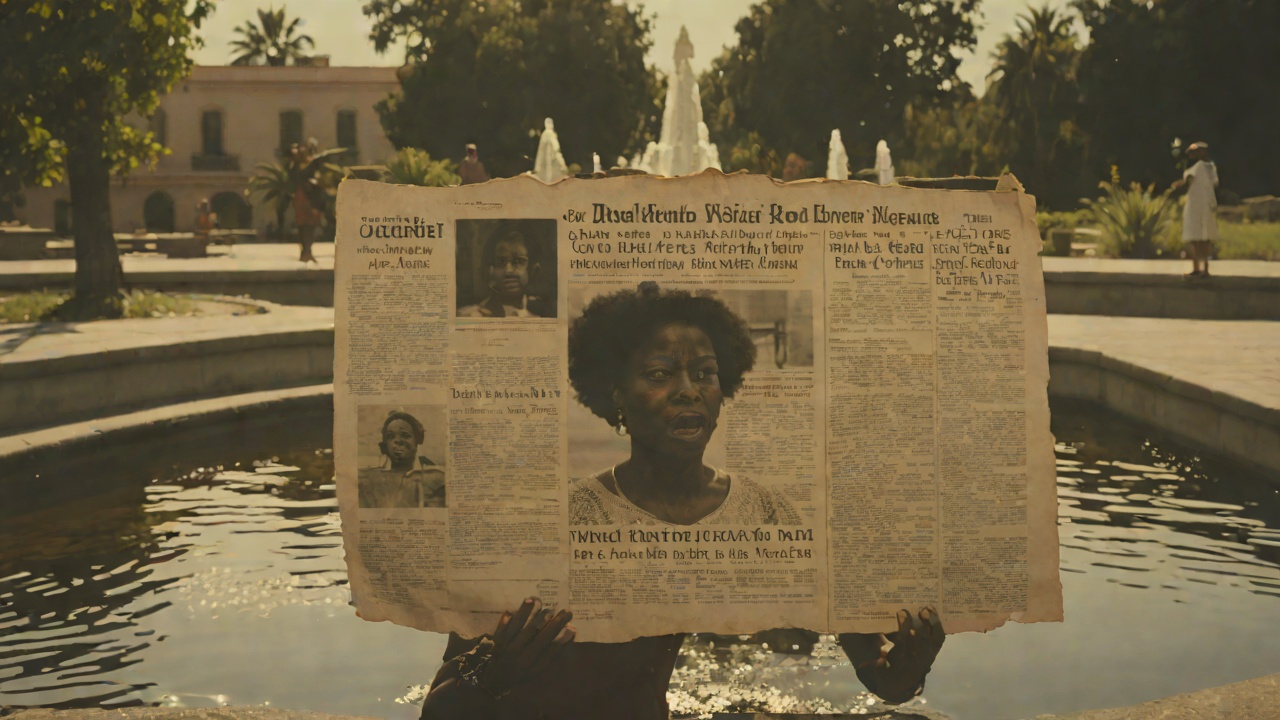
Dead Negro Woman Not News
Calvin Weeks tells Maddie that a dead Negro woman in a fountain is not a story. The newspaper decides what merits attention and what does not.
Context
Maddie has found a possible lead, but institutional editors are not interested. The Afro-American covers Cleo with more earnestness.
Significance
The episode reveals journalism as a distributor of attention, not a mirror of reality. Cleo's life is unnewsworthy until Maddie fights for it.
Byline After Confession
Byline After Confession
Maddie's Thomas Ludlow story runs with her byline, but Diller demands her source and the paper reprimands her. Ownership of the scoop is contested.
Context
The story is legitimate, but the method offends the male hierarchy. Diller sees the beat as property, not public service.
Significance
The byline is a victory and a target. Truth is less important than jurisdiction in the newsroom.
First Person Survival

First Person Survival
Maddie's first-person account of the stabbing is the first story she fully owns. It appears in the Star and gets her a job at the Beacon.
Context
She is the eyewitness and the victim. No rewrite man can claim authorship.
Significance
The first-person form is Maddie's route to journalistic ownership. It also makes personal experience the raw material of her career.
Formatting Her Life
Formatting Her Life
Maddie designs her lecture around reassuring anecdotes and never tells the hidden history of the Lady in the Lake. The column becomes a form of truth with omissions.
Context
Her audiences applaud the story of a woman who overcame. They do not hear about Ferdie, Cleo, or the unpublished confession.
Significance
The final commentary on newspaper truth: truth is always edited, shaped, and sold. Maddie has become not a planchette but an author of her own omissions.
May 1966
June 1966
June 1966
September 1966
November 1966
October 1985
