Baltimore Police Department
Lady in the LakeThe Baltimore Police Department in the 1960s is a municipal institution defined less by its official mandate to protect and serve than by its rigid internal segregation, which shapes the careers, ambitions, and moral compromises of the novel's characters. It is the employer of Ferdie Platt, a fourth-generation Baltimorean and Black patrolman whose desire to become a detective is thwarted not by lack of ability but by the color of his skin. The department is also the professional backdrop against which Maddie Schwartz, a white woman fleeing her marriage, builds a new identity as a newspaper reporter, and the institution whose indifference to the fate of a missing Black woman, Cleo Sherwood, becomes a quiet indictment of the era's racial order.
Structure and Segregation
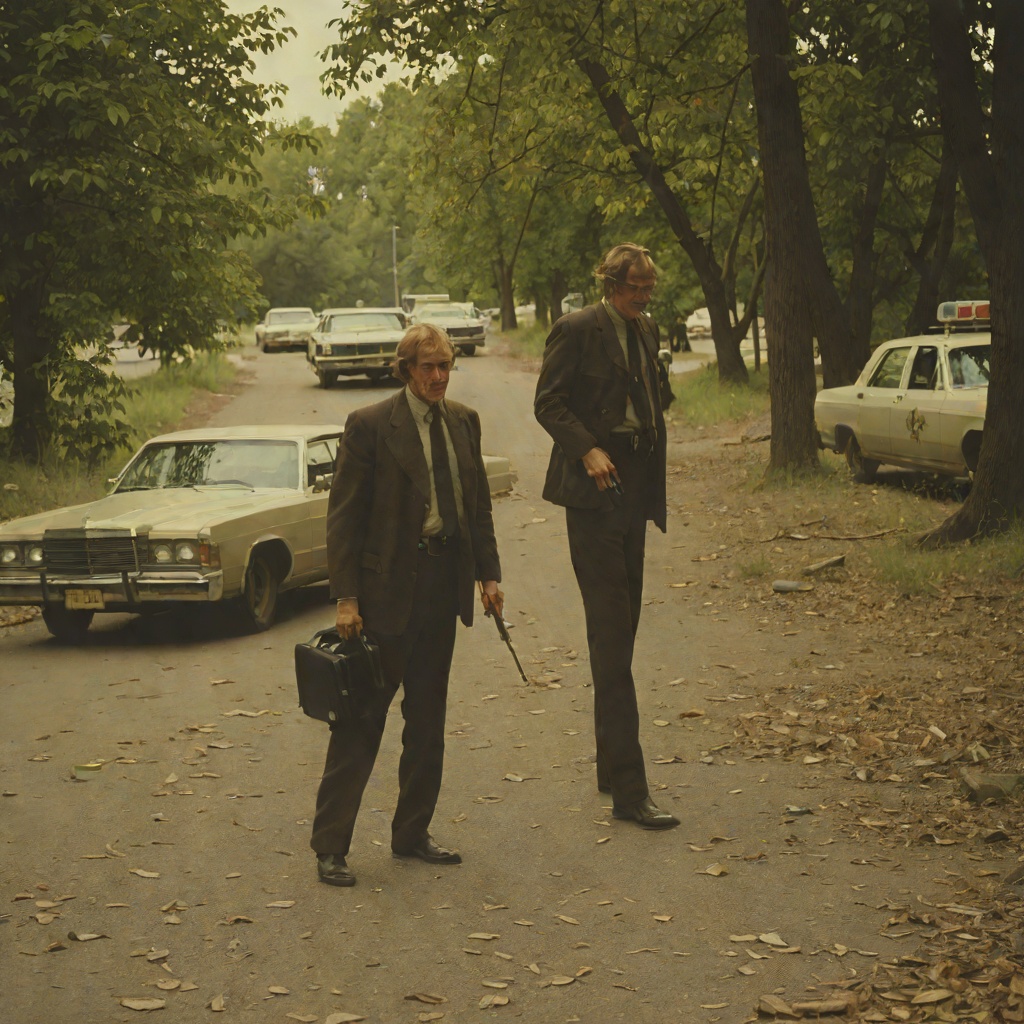
The Baltimore Police Department is explicitly segregated along racial lines, a fact that Ferdie Platt articulates with bitter clarity when Maddie asks about his ambitions. Negro cops, he explains, walk patrols and may do undercover work in narcotics, but they cannot use cars and do not even carry a radio—only a call-box key. The department's racial hierarchy is so entrenched that Ferdie, despite being an outstanding student who attended Baltimore Polytechnic Institute, the all-boys public high school for those with an engineering bent, finds his path to detective work blocked. His roots in the city run deep—the Platt family came north from the Carolinas after the Civil War, and a lawsuit in the early fifties had won him admission to Poly—yet none of that pedigree matters within a force that assigns Black officers to the lowest rungs of police work. The department's first Negro cop was a woman, Violet Wilson Whyte, who by the time of the novel is celebrating her twenty-ninth year on the force, a milestone that the white-run institution marks with a small party at headquarters rather than any substantive change in policy.
Ferdie Platt's Career and Its Limits
Ferdie Platt's relationship with the department is one of frustrated aspiration and quiet resentment. He tells Maddie that he would like to be a detective, but the segregated structure makes that dream nearly impossible. His work is confined to patrol and undercover narcotics, roles that keep him on the margins of the department's real power. The limitations of his position are underscored by the circumstances of his meetings with Maddie: he arrives at her apartment after dark, always in uniform, and leaves in the early morning hours, a clandestine pattern that reflects not only the social taboo of their interracial affair but also the constraints of a job that gives him no car, no radio, and no standing to investigate the cases that matter to him. When Maddie stages a false burglary at her apartment on Gist Avenue, the matter is turned over to two detectives who take a report and promise to check with the pawnshops, but Ferdie—who knows the truth—drops by two days later, his all-seeing eyes scanning the apartment and resting on the African violet where Maddie has buried her engagement ring. His suspicion is never voiced, but his presence is a reminder that the department's Black officers see more than the white detectives who take the official reports.
The Department and the Disappearance of Cleo Sherwood
The department's treatment of Black women is a recurring and damning theme. When Maddie, now working at The Baltimore Star, begins to investigate the disappearance of Cleo Sherwood, she encounters a police force that has shown little interest in the case. Ferdie explains the indifference with brutal simplicity: because Cleo was a Negro, her disappearance was not treated as a big deal. Maddie, stung by the implication, insists she is not naive, but the exchange reveals the depth of the department's racial bias—a bias that determines not only who is investigated but whose life is considered worth a detective's time. The department's callousness is echoed elsewhere in the novel: when Maddie asks a white man whether he would attend a funeral for a Black person, the answer is a flat refusal, the man explaining simply that the deceased was colored. The department, like the society it polices, operates on the same unspoken calculus of racial worth.
The Department as a Mirror of Racial Change
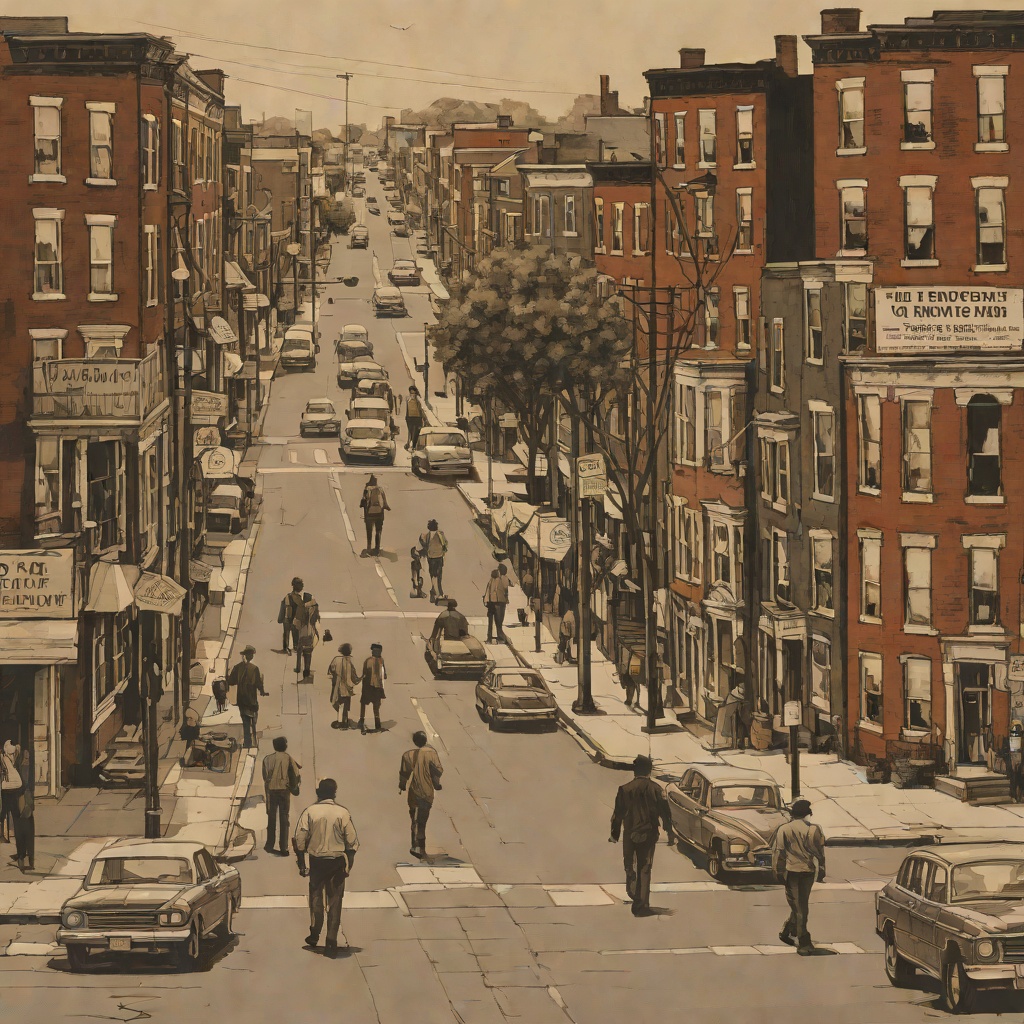
The department also reflects the broader racial anxieties of 1960s Baltimore, a city in the midst of demographic transformation. Maddie, who has learned to read the signs that a neighborhood is about to tip from white to black, observes the covert codes of "Under Contract" and "SOLD" signs swinging beneath original "For Sale" signs—signals to white residents to get out now. The department, like the neighborhoods it patrols, is caught between the old order of segregation and the pressures of change. The white women who walk into Pietro's to get their hair cut and styled would welcome the convenience of a dry cleaners in their neighborhood, but they would not want a Black man like Mr. Taylor as their neighbor. The department's own segregated structure is a microcosm of this larger resistance, an institution that maintains racial boundaries even as the city around it begins to shift.
The Department's Legacy and Maddie's Reckoning
By the end of the novel, the department's failures have become inseparable from Maddie's own moral reckoning. She reflects that Ferdie's happiest day of the past year was going to a ball game with her, even though he could not hold her hand or place his hand at the small of her back as they moved through the crowd. Some people knew they were together; they fooled most, but not everyone. Ferdie tells her he loves her, but she knows the relationship is impossible—illegal because he is black, and impossible because he is younger, because he is a cop, and because she is Madeline Morgenstern Schwartz, a woman who will not be a newspaper clerk forever. The department, which could have given Ferdie the detective's shield he wanted, instead cost him that dream. Years later, Maddie, now a grandmother approaching fifty-seven, reflects on the arrangement she had with Ferdie—a pattern of clandestine visits, cold Chinese takeout, and Ballantine's Ale—and recognizes that her later relationships, including one with a forty-year-old gardener, have followed the same shape. The department's legacy, like the affair, is one of things that could not be said aloud, of ambitions deferred, and of a justice system that saw some lives as worthy of protection and others as beneath notice.