The Afro-American
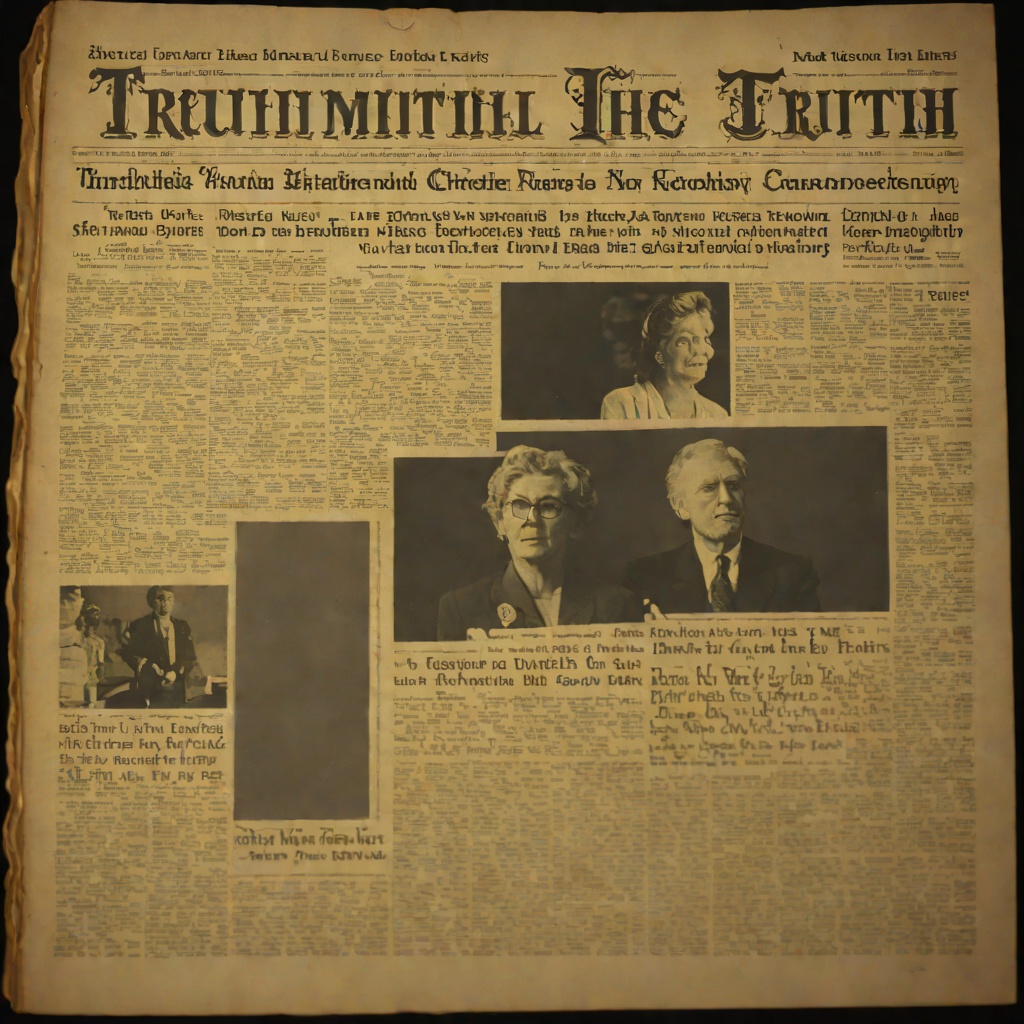
Lady in the LakeThe Afro-American, called the Afro for short, is the Black newspaper of Baltimore in the world of the novel, and it operates as the city's counter-archive: the one publication that records the lives, deaths, and disappearances that the white daily papers decline to notice. Its presence in the story is defined less by what it prints than by what its existence exposes about the racial logic of journalism in 1960s Baltimore. When a young Black woman vanishes and is later found dead, the Afro is the only paper that treats her as a person worth reporting on at all, while the white press waits, hesitates, and ultimately decides she is not news. The paper thus becomes a quiet indictment of the mainstream newsroom, a place where the value of a human life is calibrated by race.
The Afro and the Disappearance of Cleo Sherwood
The Afro ran its first piece about Cleo Sherwood on February 14, a date that Cleo herself, narrating from beyond the grave, notes with bitter irony as a Valentine's Day gift from a mother who loved her enough to convince people that her daughter had not simply walked away on her own. The police began to ask questions, Cleo observes, "if only out of respect" for the Afro's reporting. The paper's coverage was the catalyst that moved the official machinery, however grudgingly, to treat her case as something other than a woman who had chosen to leave. Yet the limits of that coverage are equally telling: Cleo imagines Maddie Schwartz reading all of this in the Afro and guesses, correctly, that Maddie does not make a habit of reading the paper. The Afro's audience is Black Baltimore; the white city, and the white woman who will eventually become obsessed with Cleo's case, remains unaware of the story until a white girl's disappearance makes it newsworthy by other standards.
The Afro as a Measure of Racial Double Standards in News
The contrast between how the Afro and the white dailies treat death is drawn explicitly through the character of Ferdie Platt, a Black police officer and Maddie's lover. When Maddie presses him on why Cleo's death was not a bigger story, Ferdie answers flatly: "Because she's a Negro, Maddie. That's why it wasn't a big deal when she went missing." He elaborates that "they're not big stories, the colored dying. It happens all the time. It's the opposite of news. Dog bites man." The white press's indifference is not an oversight but a policy, a routine calibration of what constitutes a story. The Afro, by contrast, applies "different standards from the city's dailies," as Maddie observes when she attends a ribbon-cutting for a new EZ Kleeners location and finds a photographer from the Afro dutifully recording the event. What the white papers would dismiss as a non-event, the Afro treats as worthy of documentation, because it is documenting a community's life rather than only its catastrophes.
The Afro and the White Newsroom's Dismissal
Maddie's own newsroom, The Baltimore Star, embodies the white perspective that the Afro exists to correct. When Maddie tries to interest her colleagues in Cleo's case, she is met with the dismissive explanation that the Afro "explored most of the avenues we might have gone down," and that Cleo is "just a girl who went out on a date with a bad guy. There's no story to that." The implication is that the Afro has already done the work, and that the work was not worth doing. The white reporters' casual reduction of Cleo to "a good-time girl" who "went out with a lot of guys" and worked at the Flamingo, a club they describe as "sort of a Playboy Club for people who can't afford the real thing," reveals the racial and sexual stereotyping that the Afro's more respectful coverage implicitly rebuts. The Afro, in this reading, is not merely a newspaper but a defense of Black women's reputations against a white press that assumes the worst.
The Afro's Role in the Novel's Structure and Themes
The Afro also serves as a structural device in the novel's meditation on who gets to tell a story and who gets heard. Cleo, narrating from beyond death, addresses Maddie directly and notes that the Afro's coverage was available to her, had she chosen to read it: "You could have read all of this in the Afro-American, Maddie Schwartz, but I'm guessing that you don't make a habit of reading the Afro." The paper thus marks the boundary between two worlds that barely intersect: the Black world where Cleo's disappearance was noted and mourned, and the white world where it went unnoticed until a white girl's case made it useful. The Afro's existence, and Maddie's ignorance of it, dramatizes the novel's larger theme of segregation as a structure of knowledge as much as of space. The paper is where Cleo's story was always already being told; the tragedy is that the woman who would eventually claim that story as her own beginning never thought to look.