The Katoteros ambush and Lilliana's death
Last ChristmasThe Katoteros ambush and Lilliana's death mark the Mavromino’s attack on Malphas’s home and the moment his wartime commitment becomes inseparable from the loss of the person he had promised to bring back. The attack depended on drawing Malphas and Lilliana away with the army; when he returned, he found smoke, carnage, and Lilliana’s body. The narrative makes the ambush both a military deception and a devastatingly intimate discovery.
Causes and Wartime Stakes
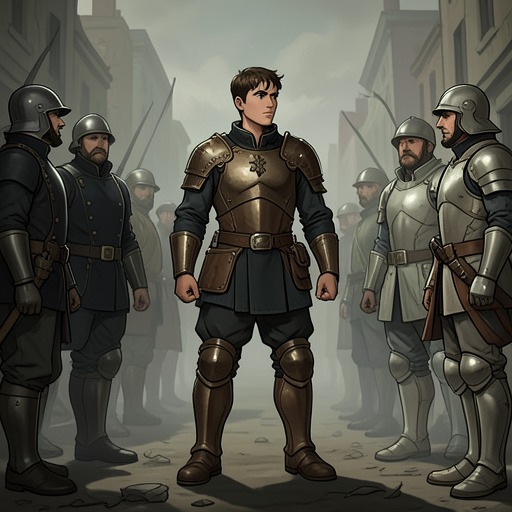
The assault follows a period in which Malphas has broken with former allies and chosen to fight alongside those they regarded as enemies. When Itzal resists Malphas’s order to pull back his forces, Malphas makes the choice explicit: otherwise they will be enemies. Itzal recognizes that Malphas is on the opposing side, and the two brothers face the prospect of fighting each other. The defection establishes why Malphas’s location and military allegiance matter to the conflict surrounding the attack.
That choice is framed against the coercion Malphas associates with the Malachai. He argues that continued captivity is worse than fighting for humans, and warns that once the war ends he and his kind could be killed, captured, or enslaved. In his account, the freedom they receive during wartime is conditional: their dark lords permit it because the fighting continues, while defeat would leave them exposed to renewed control. This background does not establish the ambush’s detailed military plan, but it clarifies the stakes of the war and the cost of the allegiance Malphas has chosen.
The Trap and the Warning
A year after Malphas promises Lilliana that they will return to their home, Xevikan arrives looking for his brother. Jared tells him that Malphas has left with the army and that Lilliana went with him. Xevikan immediately understands the danger: the Mavromino have lured them away deliberately, and an attack is coming. He warns that the enemy will strike where the defenders are weakest, orders the women and children secured, and tells Jared to remain in place in case the attackers break through.
Xevikan’s warning identifies Lilliana as more than a loved one caught in a battlefield’s reach. He believes she is the enemy’s first target because reaching her could neutralize Malphas’s forces and open the gates. He sets out to warn her, while Jared objects to being left behind; Xevikan does not have time to resolve the disagreement and presses on. The warning gives the coming assault a clear strategic logic, but it cannot prevent the attack or guarantee that Xevikan will reach Lilliana in time.
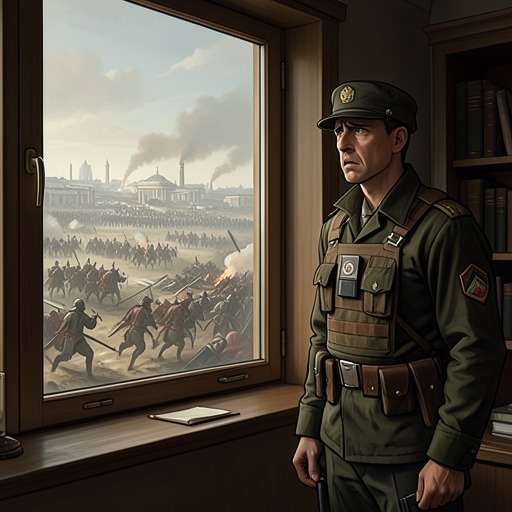
Malphas is still attacking when a Sephirii calls his name and approaches with unmistakable urgency. He asks what is wrong, then realizes that Lilliana is in danger. He abandons the battle and speeds home. The reversal is immediate: the commander’s attention shifts from the army before him to the person whose safety, Xevikan had warned, could determine the defense. The account does not describe the journey or the fighting at the home; it moves directly from the warning to Malphas’s arrival amid the aftermath.
The Attack and Discovery
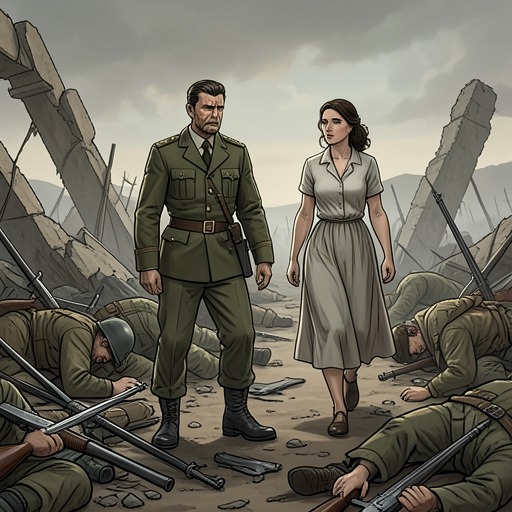
At home, Malphas encounters the assault through its physical evidence: the stench of burning flesh, victims’ screams, smoke, and carnage. He sees blood and mangled bodies. His denial cannot alter what the destruction shows, but he still searches for Lilliana. The shift from battlefield action to this ruined home narrows the consequences of the larger conflict to a single urgent question: whether she is there and alive.
When Malphas calls for her, he receives no answer. He wonders whether she is angry that he flew to battle, a thought that reveals how little he yet understands about what has happened. His foot brushes against something soft. Looking down, he recognizes Lilliana’s body, and the recognition breaks his sense of his world. He drops to his knees, gathers her into his arms, cups her face, and sobs. The narrative supplies no account of how she was killed, so the circumstances remain undisclosed; what it does show is Malphas finding her among the victims after the attack.
Consequences and Significance
The ambush turns the danger Xevikan had described into reality: the Mavromino have reached the place Malphas left, and Lilliana is dead when he returns. The account links that loss to the enemy’s strategy without claiming that the reader sees the attack itself. Its decisive scenes are instead the warning, the sudden recognition of danger, and the discovery among the bodies. That structure makes the delay between knowing Lilliana is at risk and seeing what has happened the event’s central suspense.
Malphas’s response gives the discovery its final force. Holding Lilliana, he asks himself why he is still alive and concludes that he has no reason to live without her. These are expressions of grief in the immediate aftermath, not evidence here of what he later does. The contrast with the earlier military defection is stark: Malphas had chosen a side in a war over captivity and freedom, but victory or allegiance offers no protection against the loss that now defines his return. The promise to come back home, made a year earlier, is answered by a home transformed by violence and by a reunion that can only take the form of finding Lilliana dead.