
Progress and Its Reversals
Last and First MenThis flow examines how the novel presents progress as real but precarious, repeatedly undone when societies confuse power, comfort, or biological improvement with mature understanding.
increasing Bearing strength in each event
 decreasing
Bearing strength in each eventdecreasingA Recurrent Pattern
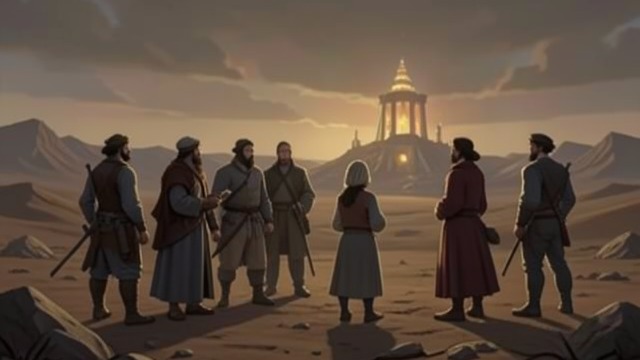
Advance Is Not Assurance
Uneven development
Cultures rise and decline across immense stretches of time, with long periods of stagnation between rare advances. The narrator insists that the compressed story disguises how slowly most lives unfold.
History without inevitability
Technological change can outpace a species’ moral and intellectual capacities. Civilization is therefore neither a guaranteed ascent nor a stable achievement.
Comfort Without Maturity

Prosperity’s Trap
Material success
The First World State abolishes many diseases and distributes leisure and security. Its citizens seem to possess the conditions for flourishing.
A narrowed ideal
The society’s worship of activity, progress, and consumption leaves little room for reflective judgment. When its resources fail, its material achievements cannot compensate for an atrophied capacity to change.
The Limits of Natural Genius
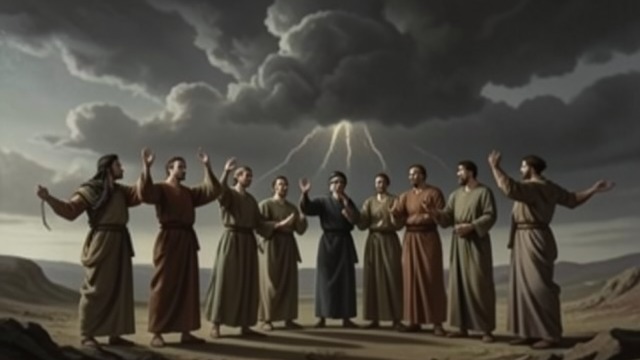
Excellence and Vulnerability
A more capable species
The Second Men naturally unite intelligence, sympathy, and self-command more fully than their predecessors. Their societies attain periods of exceptional peace and culture.
No exemption from fate
Disease, physiological failure, and religious conflict still destroy their achievements. Their greater nobility changes the experience of decline but does not abolish it.
Designing Better Humanity
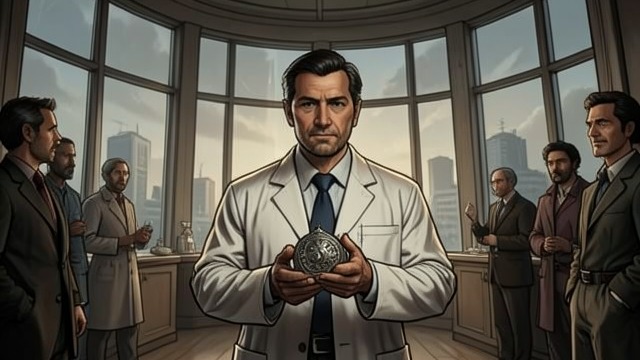
Progress Becomes Deliberate
Experiments in improvement
The Third Men use biological control, the Fourth Men concentrate on intellect, and the Fifth Men seek a more balanced human nature. Each project exposes the values that its designers cannot experience directly.
A qualified success
Later species achieve extraordinary advances, but no design eliminates tragedy or uncertainty. The novel treats human improvement as possible and meaningful, not as a final escape from limitation.
The Last Progress Fails
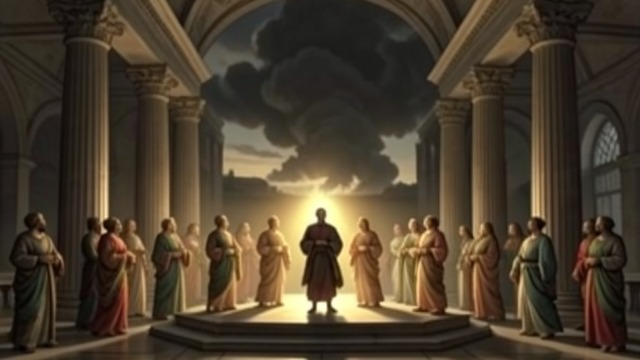
A Mature Society Under Pressure
High achievement
The Eighteenth Men unite vast cultural knowledge, individual fulfillment, and rare collective insight. Their social order represents a long human experiment in developing life and mind.
Progress remains finite
Solar radiation damages the capacities on which their achievement depends. The civilization’s collapse shows that advanced humanity can still be defeated by conditions beyond its control.
During the account of the First human species
At the height of the First World State
During the Second Men’s repeated civilizations
Across the Third through Fifth human species
As the Sun’s disorder approaches
