
The Second Men’s Love and Tragedy
Last and First MenThis flow traces the Second Men’s distinctive capacity for sympathy, its cultural flowering, and the tragic cost of their attempt to face suffering without evasion.
increasing Bearing strength in each event
 decreasing
Bearing strength in each eventdecreasingLove as a Natural Capacity
Sympathy Recast
A broader attachment
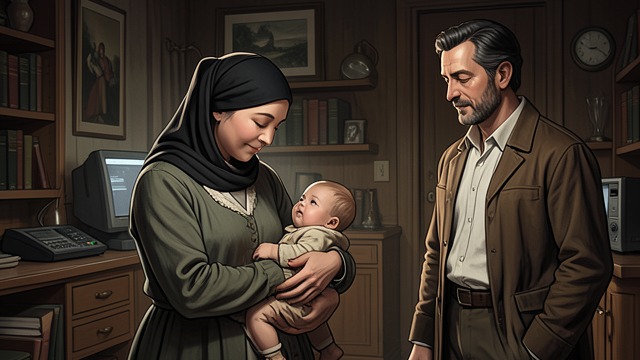
The Second Men experience altruism as an ordinary passion rather than a rare achievement. Their parental care expands into concern for all beings they understand as needing help.
Individuality preserved
Their affection does not erase personal difference. A remarkable capacity to perceive others as unique persons makes intimacy more accurate than it was among the First human species.
Love in a Shared Society
Affection and Public Life
Loyalty without coercion
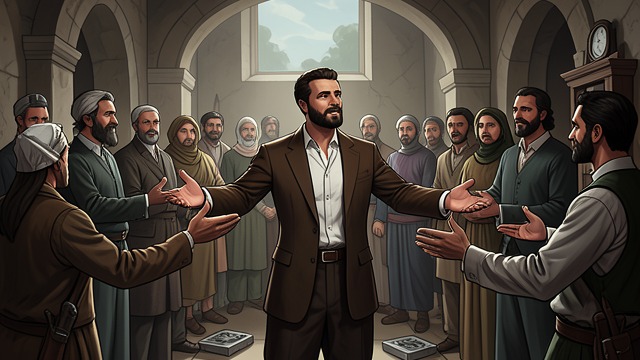
Sympathy helps the Second Men maintain peaceful societies and cooperate across regions. War, when it occurs, is often interrupted by a return to fellowship.
A quiet vulnerability
Because they dislike private advancement for its own sake, these people are slow to undertake demanding projects. Their harmony brings cultural richness but can also make collective initiative difficult.
Love Beyond Monogamy
Intimacy as Exchange
Many forms of union
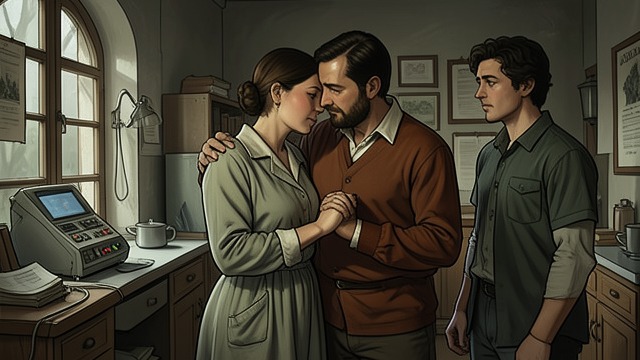
The Second Men distinguish casual affection from deeper unions of mind, while treating both as meaningful. Some intimate relationships last for life; others change as partners seek renewed experience.
A social vision
Group marriages express the hope that love can enlarge rather than possess the beloved. Their sexual customs reflect a wider aspiration to share and enrich individual experience.
The Martian Atrocity
Pity in the Crisis
Rescue before display
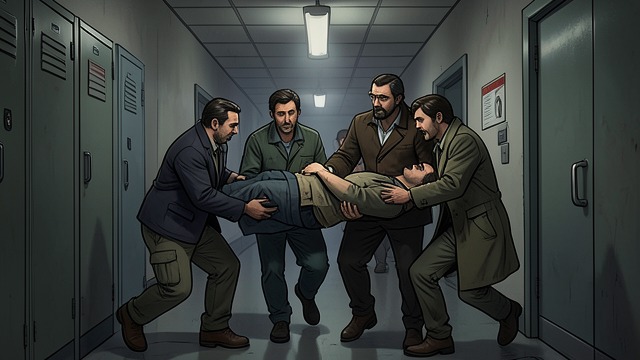
When the Martians attack, the Second Men grieve for the injured but focus on rescue rather than self-congratulation. Heroism seems to them like ordinary, reasonable care.
Tragedy faced directly
They try to absorb the disaster without blaming fate or hiding from it. Their response gives suffering spiritual significance, but also makes the later defeat intensely personal.
The Elders’ Chosen Death
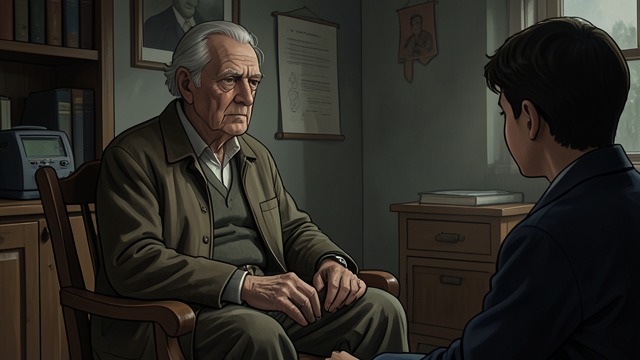
Care Through Renunciation
A damaged generation
The Martian infection leaves many adults ageing and incapacitated, while young people must assume responsibilities before they are ready. Affection makes the transfer of authority painful.
Voluntary euthanasia
The elders decide to die when they can no longer serve competently. Their choice is framed as care for the community, though the younger generation resists losing beloved guides.
At the emergence of the Second Men
During the first Second-Men world communities
At the height of Second-Men world culture
During the first Martian invasions
After the Martian plague damages the Second Men
