
The First Human Ideals and Their Afterlives
Last and First MenThis flow traces how ideals of truth and love appear among the First Men, fail under social pressure, and recur in altered forms across later human species.
increasing Bearing strength in each event
 decreasing
Bearing strength in each eventdecreasingThe Twin Inheritances
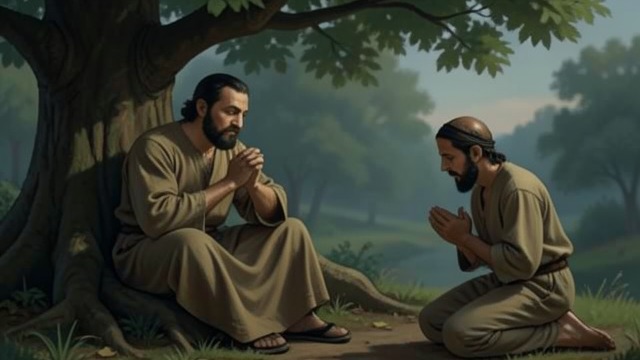
Truth and Love
Two exemplary ideals
The First human species develops dispassionate inquiry associated with Socrates and self-forgetting love associated with Jesus. Each ideal, properly understood, implies the other.
The problem of capacity
The First Men’s nervous systems cannot consistently sustain either ideal. The gap between aspiration and ordinary conduct becomes one cause of cynicism and decline.
A Peace That Does Not Hold
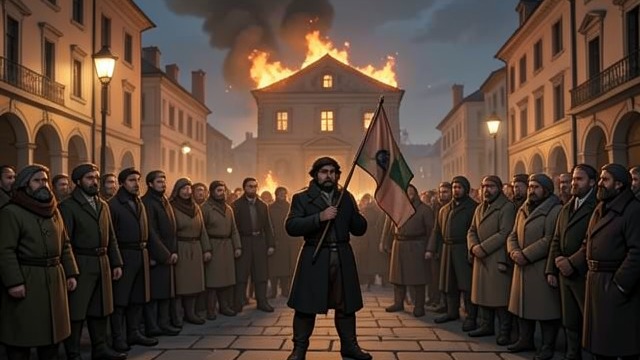
Brotherhood in the Aftermath
A temporary enlargement
The European War makes cooperation across national borders seem urgently possible. Individuals experience a broader loyalty through suffering and shared responsibility.
Return of tribal habits
The peace settlement preserves suspicion and rivalry. The episode shows that a moral insight can be genuine without being strong enough to remake institutions.
Natural Christians
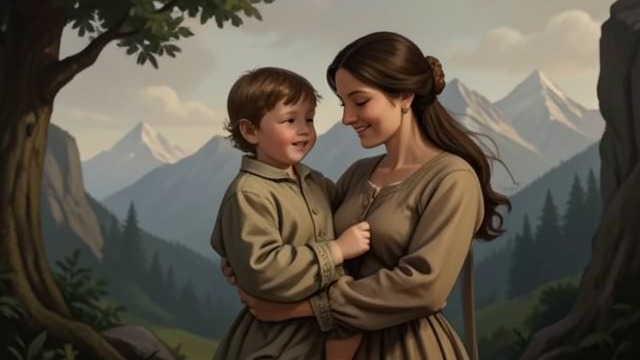
Love Made Instinctive
An embodied ideal
The Second Men naturally combine empathy with clearer perception of other people. Loving one’s neighbor becomes a regular capacity rather than an exceptional discipline.
New complications
Their deep sympathy coexists with an admiration of fate that can be hard to reconcile with loyalty to life. The old religious tension returns in a more capable species.
Knowledge Without the Whole Person
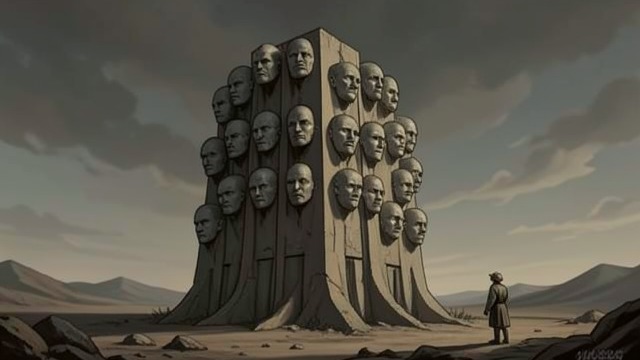
Intelligence Alone
A partial ideal
The Fourth Men attempt to concentrate humanity’s resources in enlarged brains, hoping that superior reasoning will reach truth. Their design excludes emotion, physical life, and ordinary relationships.
A corrective recognition
Their failure reveals that knowledge cannot supply its own values. They create the Fifth Men only after admitting that a full human nature must include capacities they themselves lack.
A Mature but Unfinished Humanity
Ideals at a Higher Scale
Integrated capacities
The Last Men combine self-command, interpersonal understanding, and collective mental life more fully than earlier species. Their shared purposes no longer depend on forced obedience.
No final resolution
Even they cannot prove that the cosmos is perfect or that all suffering can be reconciled. The ideals of truth and love reach new forms, but remain within an unfinished universal history.
In the account of early Western culture
After the European War
At the beginning of the Second-Men era
During the Fourth-Men project
During the Eighteenth-Men era
