
Le Père
Overview
Le Père, commonly known in English as The Father, is a French-language play by Florian Zeller. It premiered on 20 September 2012 at the Théâtre Hébertot in Paris, with Robert Hirsch as André and Isabelle Gélinas as Anne. The play is generally associated with Zeller’s family trilogy, alongside The Mother and The Son, and it won the Molière Award for Best Play in 2014. Christopher Hampton translated it into English, helping establish it in theatres beyond France. Its setting is a Paris flat in the 2010s, although the apparent simplicity of that setting becomes increasingly unstable.
The central figure is André, an ageing father whose memory and cognitive abilities are deteriorating. He is proud, argumentative, intelligent, and determined to insist that he can manage by himself. His daughter Anne is trying to arrange reliable care for him, but carers leave, plans fail, and André resists any suggestion that he is no longer independent. Anne is also preparing to leave Paris to live with her partner, so her practical problem becomes an emotional and moral crisis: how can she care for her father without abandoning her own life?
Plot and dramatic design
Zeller does not present the story from the secure perspective of an outside observer. Instead, the audience is drawn into André’s shifting experience. People appear to change identity; conversations seem to have happened before or to be happening again; rooms resemble one another while remaining strangely different; and furniture disappears or moves as the scenes progress. The flat can seem to be André’s home, Anne’s home, or a mental construction made from fragments of both. The play deliberately refuses to provide immediate explanations for every contradiction. Its form makes confusion something the audience undergoes rather than merely something it is told about.
This strategy turns the apartment into more than a location. It becomes an image of André’s mind: familiar enough to promise security, yet unstable enough to defeat every attempt at orientation. Time is similarly transformed. The past is not simply remembered; it intrudes upon the present, repeats itself, and competes with it. By allowing the audience to lose confidence in space, chronology, and identity, Zeller creates an unusually direct theatrical representation of dementia.
Themes and significance
The play’s subject is cognitive decline, but The Father is not reducible to a medical case study. André’s confusion is inseparable from his struggle to preserve dignity and a coherent sense of self. He can be hostile, funny, manipulative, and difficult, yet the audience also sees the terror of a person who can no longer trust the world that once confirmed who he was. The play therefore holds two perspectives together: the bewilderment of the person experiencing dementia and the exhaustion, guilt, love, and resentment of the family member providing care.
The title also describes a reversal in the parent-child relationship. André was once the adult who represented authority and protection; now he depends on Anne, while she must make decisions on his behalf. Her desire for a life of her own does not cancel her love, and her duty does not erase her need for freedom. Zeller uses this conflict to explore ageing, family obligation, the limits of care, and the painful difference between loving someone and being able to save them.
The writing is spare but structurally audacious. Repetition, ambiguous dialogue, unstable stage directions, and changing furniture replace conventional exposition. The result is a chamber drama that feels both intimate and disorienting. Biographical accounts connect Zeller’s interest in dementia to his grandmother’s illness, while his recollection of a serious asthma attack and coma at fifteen also helps illuminate his attention to disrupted consciousness and the fragility of perception.
Reception and lasting status
After its Paris premiere, The Father became one of Zeller’s most acclaimed plays and was staged internationally, including in London and New York. Its later screen adaptation, written and directed by Zeller with Christopher Hampton, brought the story to a much wider audience. The 2020 film, starring Anthony Hopkins and Olivia Colman, preserved the play’s central method of making the viewer inhabit André’s uncertainty. The film’s awards success increased the visibility of the original work, but the stage play remains important in its own right. It is now regarded as a major contemporary drama about dementia and caregiving, and as a particularly influential example of theatre that uses form—not only subject matter—to represent a fractured mind.
About the Author
Early life and education
Florian Zeller is a French novelist, playwright, theatre director, screenwriter, and filmmaker. He was born in Paris on 28 June 1979. Accounts of his early life describe him as growing up in Brittany. His father was an engineer who often worked in Germany, while his mother read Tarot cards and introduced him to narration, invention, and the theatrical possibilities of storytelling. Zeller has recalled that his household contained relatively few books and that he did not grow up as a regular theatre-goer. His mother’s imaginative way of telling stories nevertheless gave him an early sense of how fiction could shape experience.
At fifteen, Zeller suffered a severe asthma attack and fell into a coma. He later associated that experience with the moment when anxiety and writing entered his life. Biographical accounts also describe him as having been raised by his mother and grandmother, whose dementia is often connected with his later interest in memory, altered perception, and the burdens of care. These experiences should not be treated as literal explanations of his works, but they provide useful context for his continuing attention to fragile consciousness and family responsibility.
Zeller studied at Sciences Po in Paris and left at about the age of twenty in order to concentrate on writing. He later returned to education, although the available accounts do not establish a specific final degree. At twenty-two he published his first novel, Artificial Snow, and quickly attracted attention as a young writer. His third novel, The Fascination of Evil, strengthened his literary reputation. His early fiction already showed an interest in psychological unease, moral instability, and the inner lives of characters—concerns that would become central to his theatre.
Major works and theatre career
Zeller began publishing plays in the early twenty-first century and went on to write more than a dozen. His work has been translated and staged in more than forty-five countries, making him one of the most internationally recognised contemporary French playwrights. His major plays include The Mother, The Father, The Son, The Truth, The Lie, and The Height of the Storm. The three family plays are not simply chapters in one continuous plot; together, they examine intimate relationships, parental responsibility, emotional dependency, and the anxiety hidden inside ordinary domestic life.
The Father, which premiered in Paris in 2012, became a decisive work in Zeller’s career. It won the Molière Award for Best Play in 2014 and received major productions in France, London, New York, and elsewhere. Rather than explaining dementia from the outside, the play makes the audience inhabit its central character’s unstable point of view. Repeated conversations, shifting identities, contradictory memories, and a changing apartment turn psychological confusion into theatrical form. This method established Zeller as a dramatist who could combine accessible family conflict with bold formal experimentation.
He also wrote screenplays for Castle in Sweden in 2008, Do Not Disturb in 2014, and The Other Woman in 2018. In 2020 he directed his first feature film, The Father, adapting his play and co-writing the screenplay with Christopher Hampton. Starring Anthony Hopkins and Olivia Colman, the film carried his theatrical understanding of fractured perception to a global audience. Its critical and awards recognition, including major screenplay attention, expanded Zeller’s reputation from the international stage to cinema.
Reputation and present status
Zeller’s distinctive achievement is to make familiar language and domestic spaces feel unreliable without abandoning emotional precision. His plays leave contradictions active rather than tidying them into explanations. That quality allows them to explore questions that exceed any single diagnosis: what remains of identity when memory fails, how much responsibility a family can bear, whether care can become a form of control, and how love coexists with the desire to preserve one’s own life.
Zeller married the French actor Marine Delterme in 2010, and they have two children. He is alive as of 2026, and there is no established report of his death. His lasting reputation rests especially on The Father and the family trilogy, but also on the breadth of his career across fiction, theatre, and film. Because his work joins literary intelligence to strong stage construction and internationally legible emotion, he is widely regarded as one of the leading French playwrights of his generation. The Father remains his signature work: a drama in which the breakdown of a room, a conversation, and a sense of time becomes a profound examination of ageing, dignity, and the limits of familial love.
StoryFlow
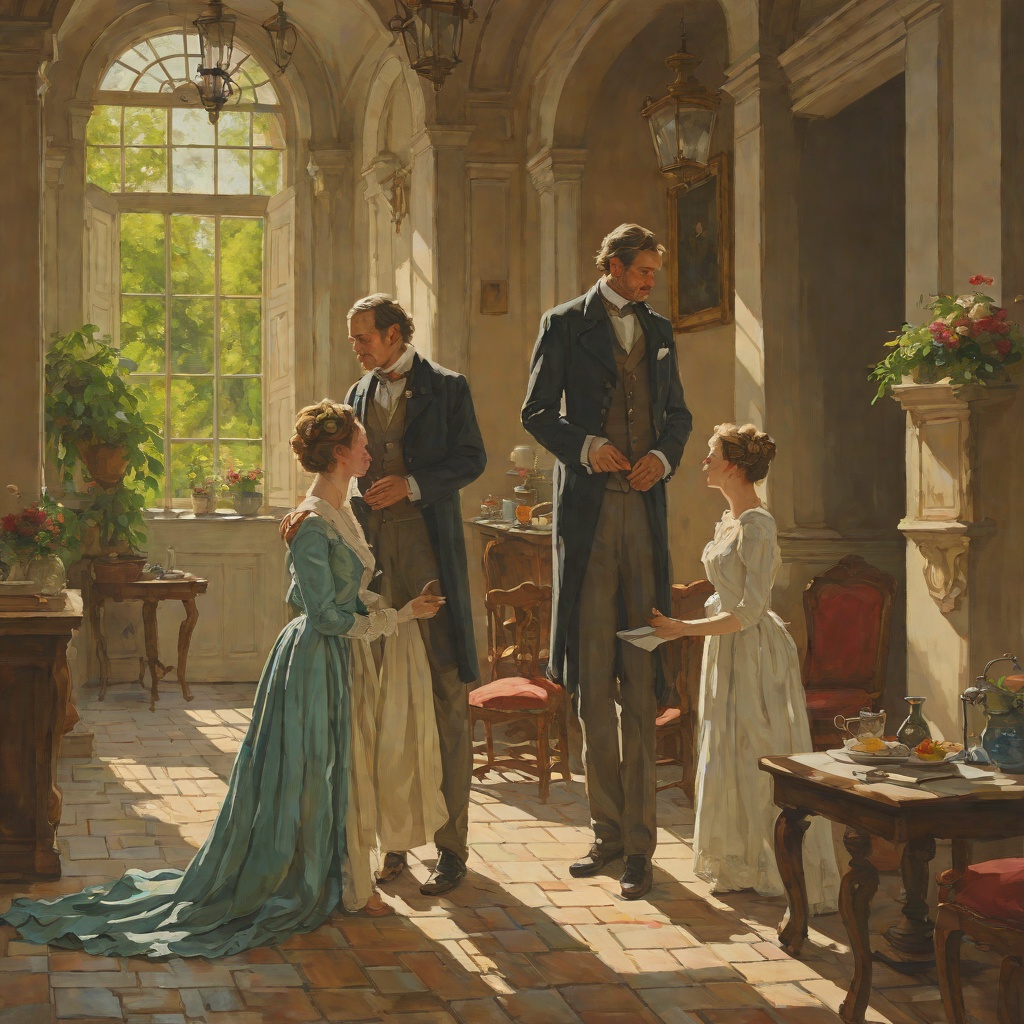
The Hidden Courtship
This flow traces Cléante’s concealed love for Nisida from improvised service to acknowledged union.
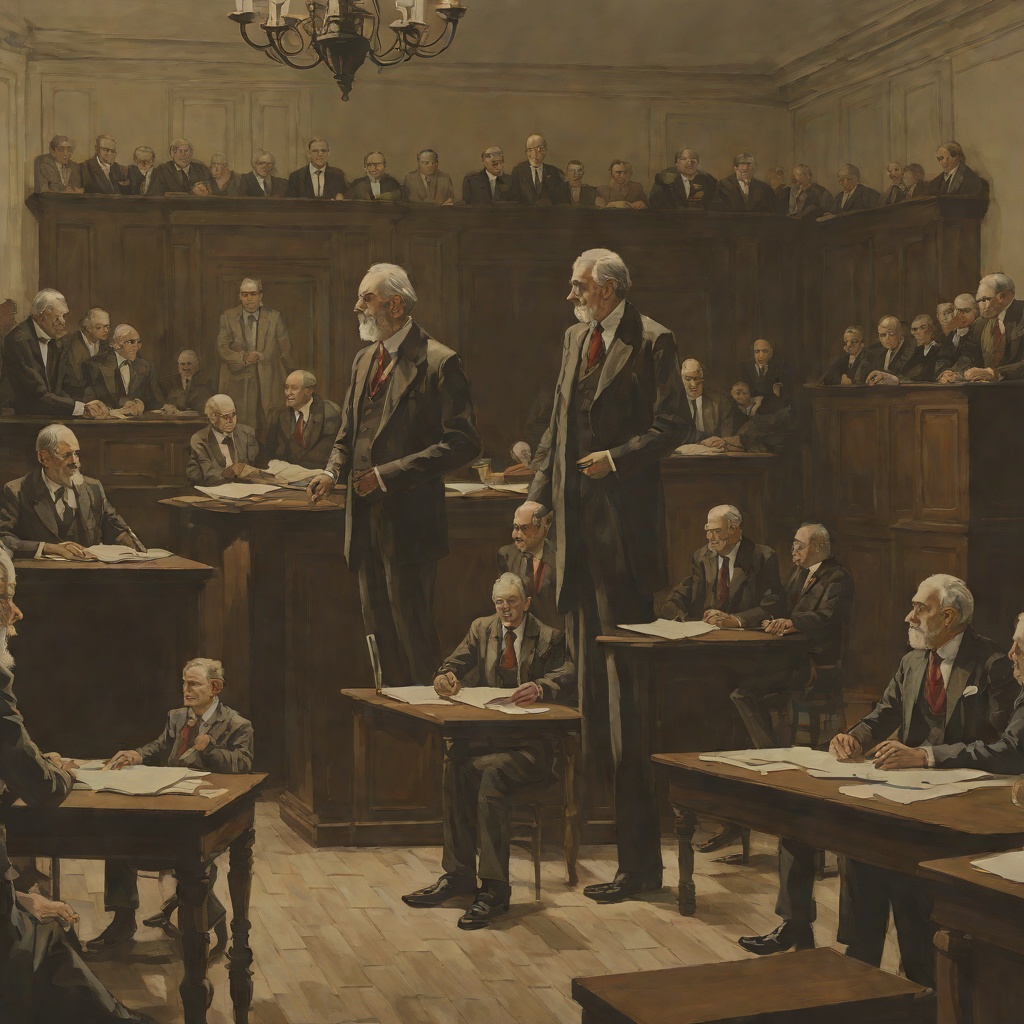
The Father’s Moral Trial
This flow follows Arlequin’s movement from affectionate proprietor to self-sacrificing moral father.
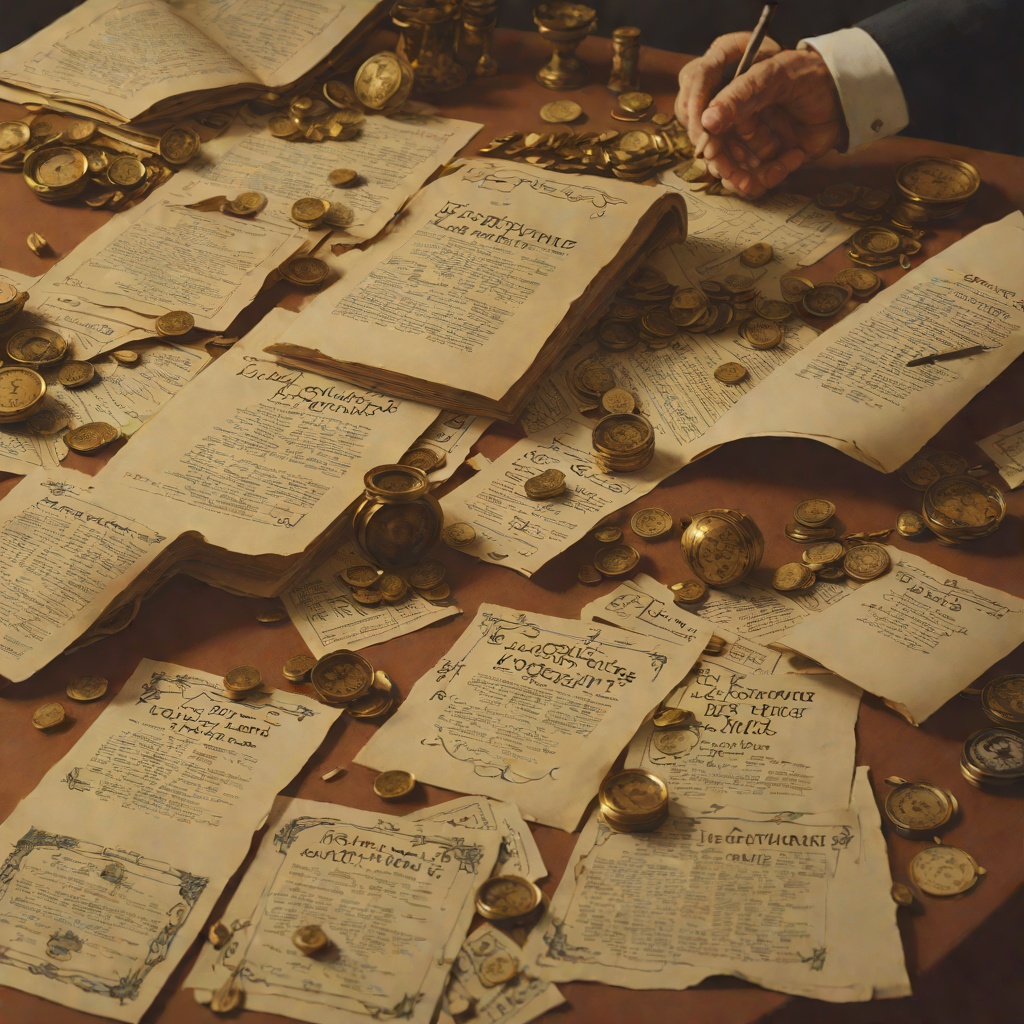
Fortune and Legitimacy
This flow traces how disputed inheritance shifts the meaning of wealth, status, and rightful belonging.
