
Arlequin’s Transformation
Le PèreThis flow follows Arlequin’s changing identity from wealthy bourgeois to ethical patriarch.
increasing Bearing strength in each event
 decreasing
Bearing strength in each eventdecreasingBourgeois Origin

An Ordinary Beginning
Modest Status
Arlequin describes himself as a simple bourgeois of a small Italian town. His later wealth is not inherited social prestige but an accidental transformation.
Honest Character
His value lies in friendship and loyalty before it lies in property. This origin prepares the moral choice at the ending.
The man precedes the fortune.
Fortune Holder
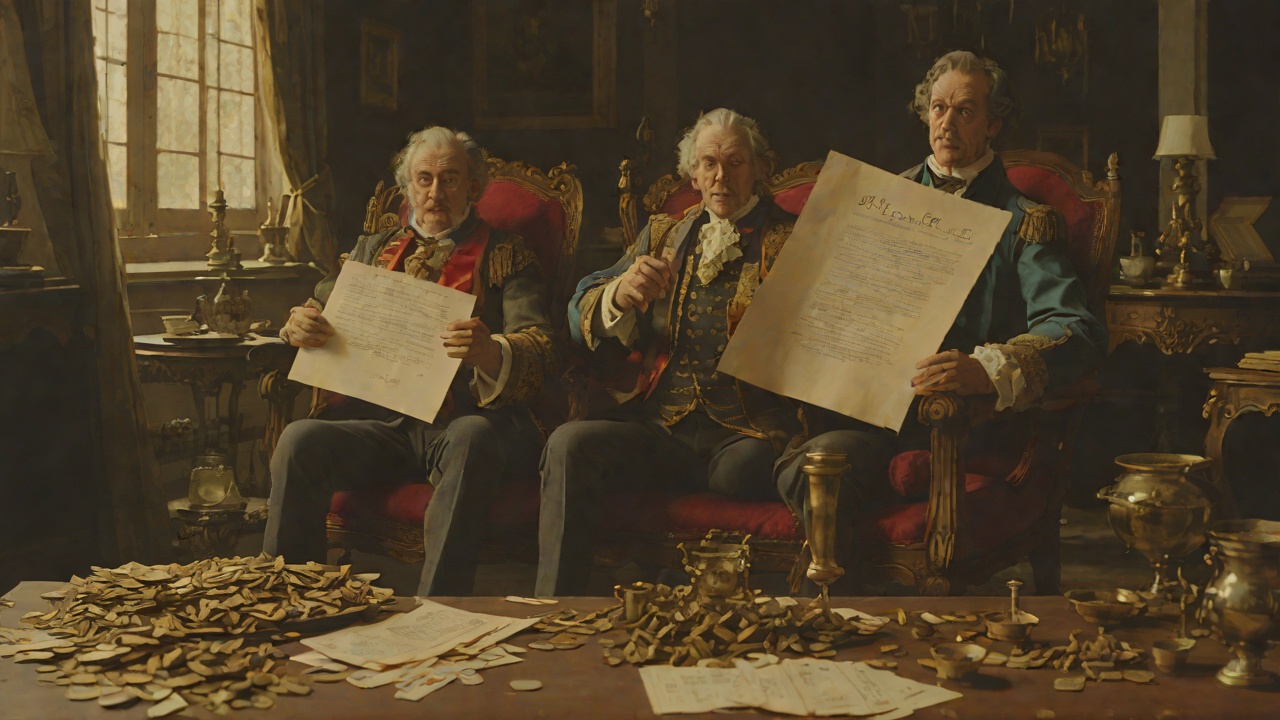
Wealth Arrives
Valcourt’s Beneficiary
Arlequin inherits comte de Valcourt’s fortune and becomes financially secure. He invests it carefully for Nisida’s future.
Uneasy Prosperity
Money brings him no equivalent happiness, because family losses accompany the inheritance. Wealth increases responsibility more than joy.
His identity becomes divided between gratitude and possession.
Protective Patriarch

The Good Provider
Material Care
Arlequin spends freely on Nisida’s comfort and celebration. He believes a father’s resources should become a daughter’s happiness.
Fearful Control
His marriage arrangement reveals the danger of paternal care when it begins to decide another person’s emotional future.
He is benevolent but not yet fully attentive.
Wounded Authority

Authority in Pain
Necessary Cruelty
Arlequin dismisses Cléante because Nisida’s love makes continued proximity dangerous. He acts as protector by inflicting grief.
Self-Reproach
He admits that his own generosity brought the attractive young man into the house. Authority becomes a burden rather than a privilege.
His paternal role reaches its most painful form.
Ethical Patriarch
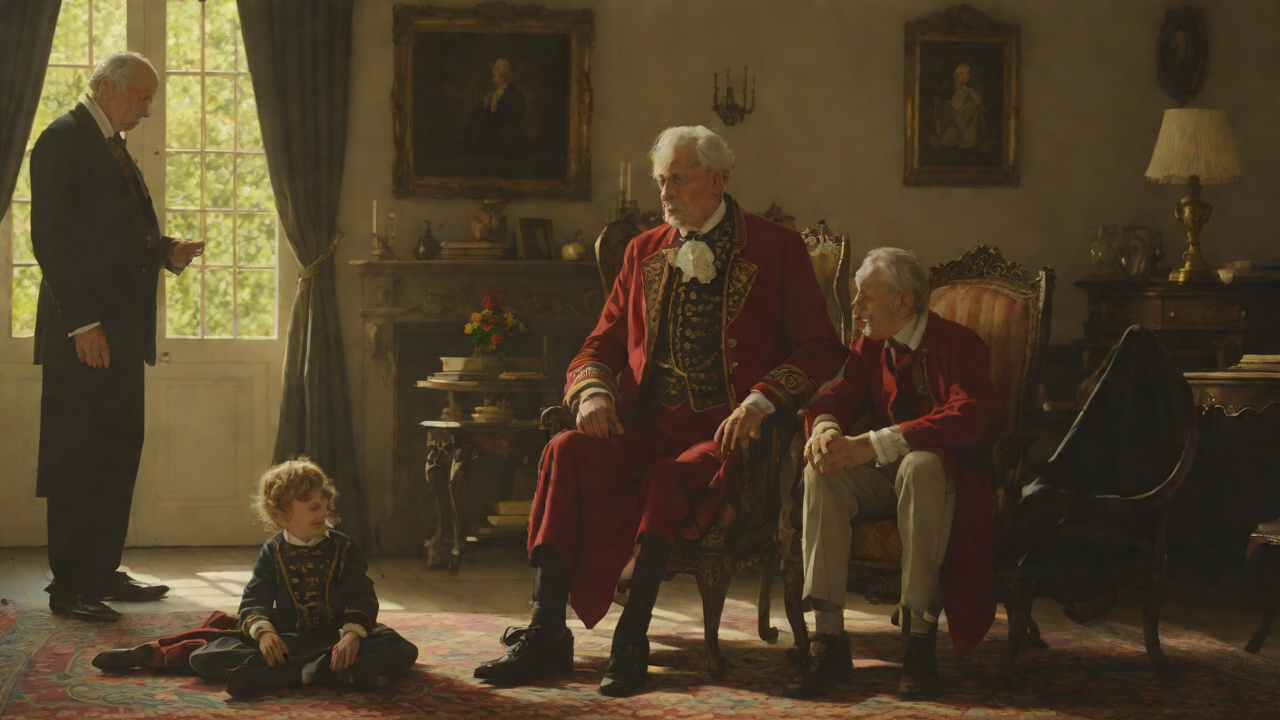
Moral Fatherhood
Property Renounced
Arlequin returns the fortune to Cléante because keeping it would violate his sense of honesty. He places justice above comfort.
Family Enlarged
He accepts Cléante as son and approves the union with Nisida. Fatherhood becomes an ethical relation founded on protection, truth, and sacrifice.
His final authority is exercised by giving rather than commanding.
before Nisida’s birth in Bergame
eleven years before today
today before the festival
today during Cléante’s dismissal
the final scene
