
The Good Father Ideal
Le PèreThis flow traces the play’s evolving definition of paternal goodness beyond protection and provision.
increasing Bearing strength in each event
 decreasing
Bearing strength in each eventdecreasingProvider’s Love
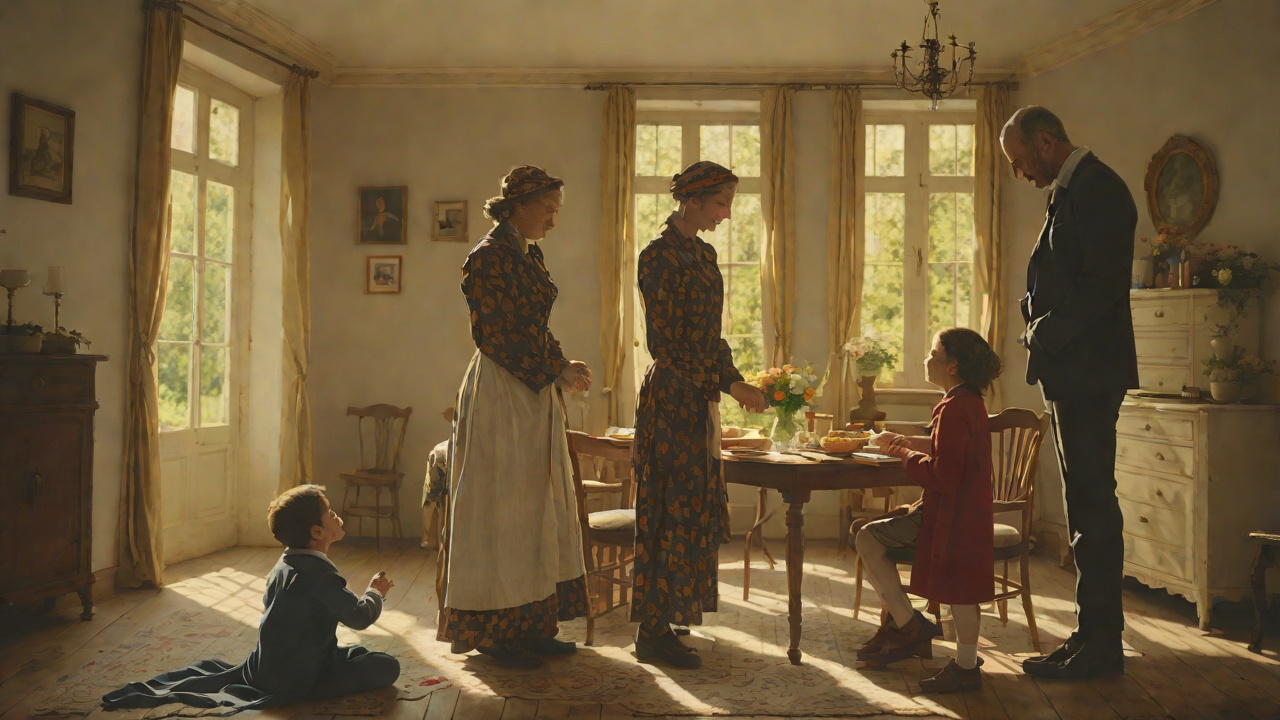
Care Through Giving
Material Generosity
Arlequin spends on Nisida’s celebration and promises her all his property. He measures fatherhood through visible provision.
Emotional Sincerity
His gifts are not vanity; he genuinely wants her happiness. Yet material care cannot reveal whether he understands her wishes.
Good fatherhood begins with love but requires more.
Protective Arrangement
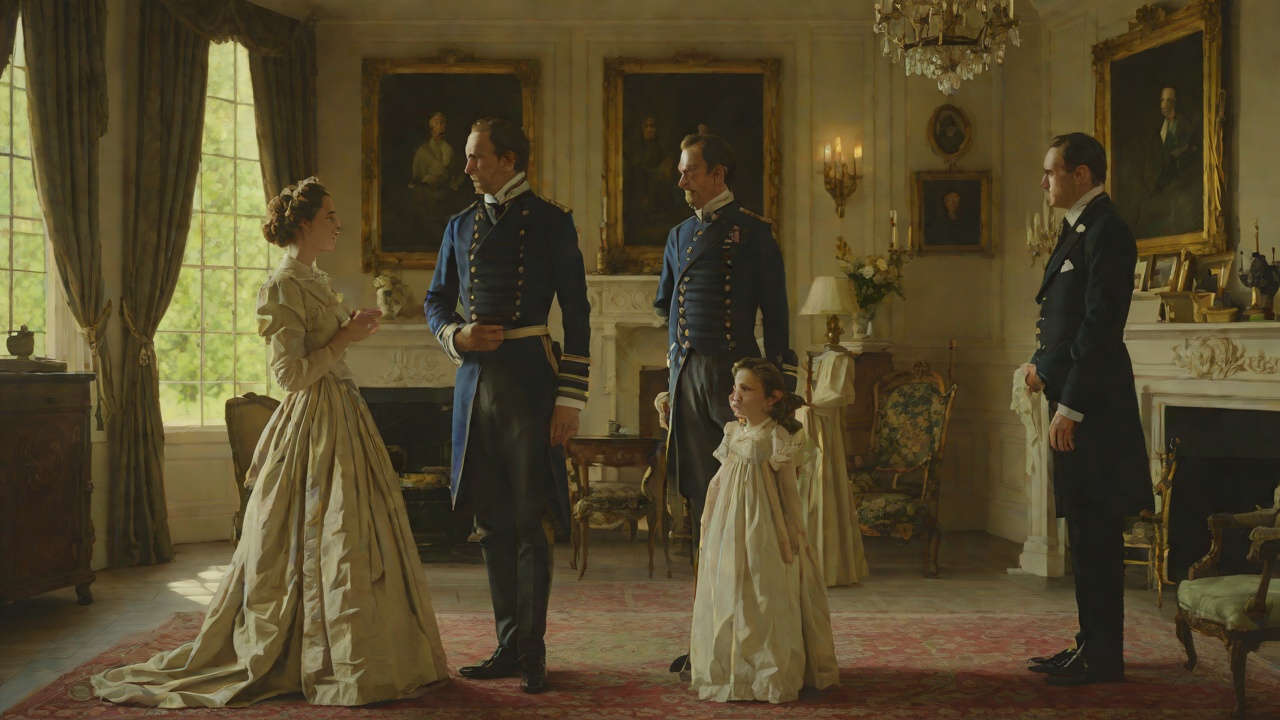
Security Chosen for Her
Marriage Plan
Arlequin selects marquis d'Yrville because he seems respectable and protective. His paternal logic values future safety.
Daughter’s Autonomy
Nisida’s reaction exposes the limit of protection without consent. A father may act lovingly while producing genuine unhappiness.
The ideal is tested by the daughter’s refusal.
Listening Father
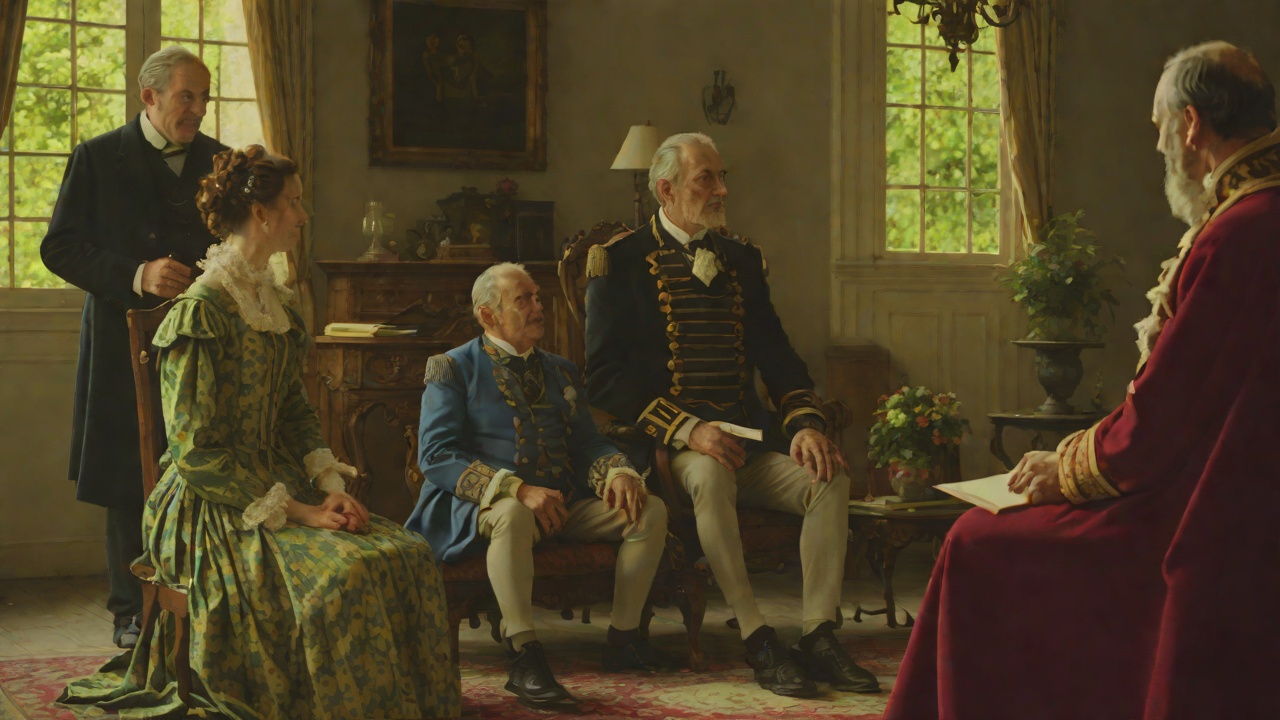
Authority That Yields
Invitation to Speak
Arlequin asks Nisida to explain her reasons and promises to advise rather than command. He turns paternal authority into dialogue.
Acceptance of Pain
Her confession wounds him, but he does not force the marquis upon her. Listening becomes a form of protection.
Good fatherhood starts to include respect for inward truth.
Sacrificial Father
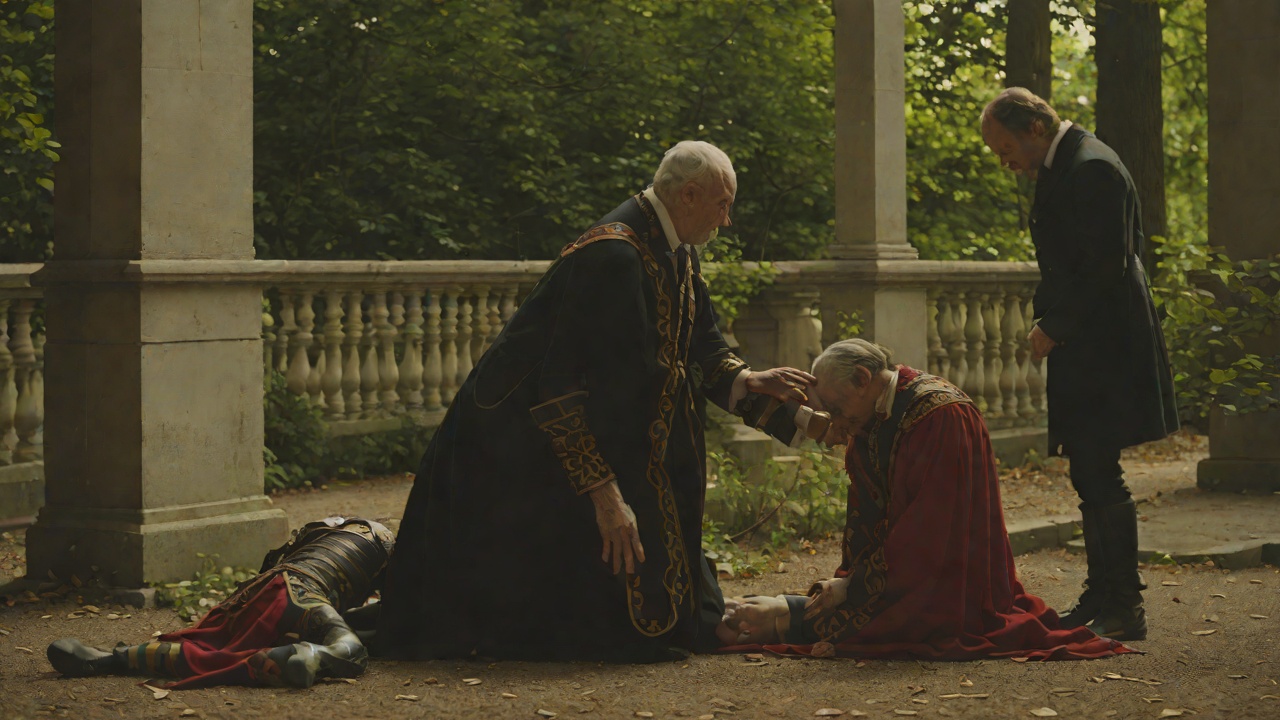
Protection Through Loss
Separation Imposed
Arlequin expels Cléante to protect Nisida from a dangerous attachment. He accepts her immediate grief as the price of imagined future safety.
Personal Cost
He loses a beloved friend and suffers publicly. His action is paternal because it sacrifices his own comfort, though it remains ethically uncertain.
The ideal reaches its harshest expression.
Father of Justice
Goodness Completed
Property Sacrifice
Arlequin returns the fortune to Cléante, proving that paternal goodness includes justice toward another family’s son.
Consent and Inclusion
He approves the lovers’ union and keeps Nérine within the household. His fatherhood now protects freedom, truth, and belonging.
The good father is defined by what he gives up for others’ rightful happiness.
today before the festival
today at the marriage announcement
today during the private conversation
today during Cléante’s dismissal
the final scene
