
Race, Class, and Belonging
Leave the World BehindThis flow traces how wealth, race, and assumptions about ownership shape the characters’ perceptions of who belongs and who can be trusted.
increasing Bearing strength in each event
 decreasing
Bearing strength in each eventdecreasingThe Rental’s Class Promise
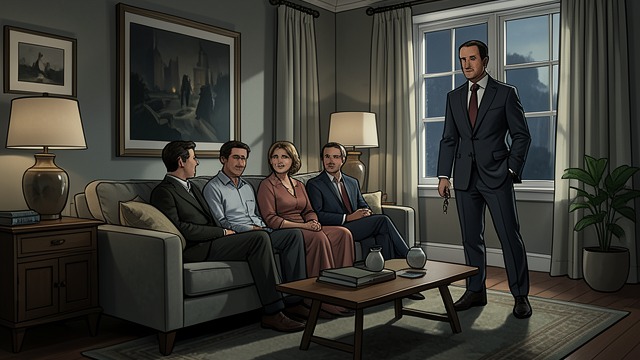
The Rental’s Class Promise
Borrowed Affluence
Amanda and Clay rent a carefully appointed house whose comforts exceed their ordinary home. The family enjoys the appearance of wealth without owning the property or controlling its future.
A Temporary Place
The vacation lets them imagine belonging to a more privileged world. The house’s design conceals the social and financial arrangements that make their stay possible.
Who Owns the House
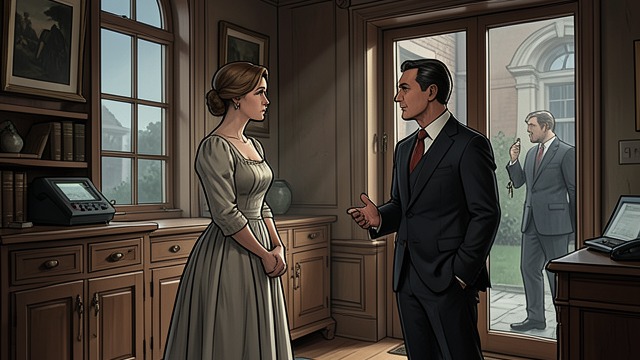
Who Owns the House
Recognition and Doubt
Amanda struggles to believe that George Herman Washington and Ruth own the house. Her assumptions about race and wealth shape what seems plausible to her.
Possession and Belonging
The renters have paid for temporary use, while the Washingtons have a lasting claim. The encounter reveals that property rights do not automatically settle the emotional question of who belongs in a place during an emergency.
Money as a Negotiating Tool

Money as a Negotiating Tool
A Financial Offer
George offers money and a refund to make the shared arrangement acceptable. His professional fluency lets him frame conflict as a deal that can be negotiated.
The Limits of Wealth
The offer cannot buy certainty, trustworthy news, or control over the blackout. Money changes the terms of the stay but does not make the people safer or more knowledgeable.
Danny and the Outsiders
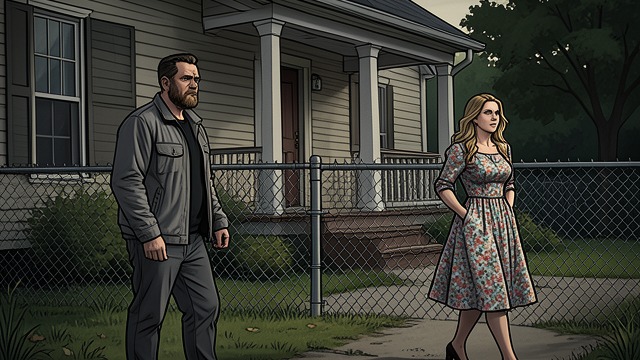
Danny and the Outsiders
A Contractor’s Distance
George approaches Danny as a neighbor and former contractor, but Danny treats the visit as an intrusion. Their relationship carries class differences and a history of professional dealings rather than dependable intimacy.
Local Suspicion
George recognizes that he and Ruth have remained separate from local life despite owning property there. The crisis makes that distance more visible and complicates their expectation of welcome.
A Shared House, Unequal Claims
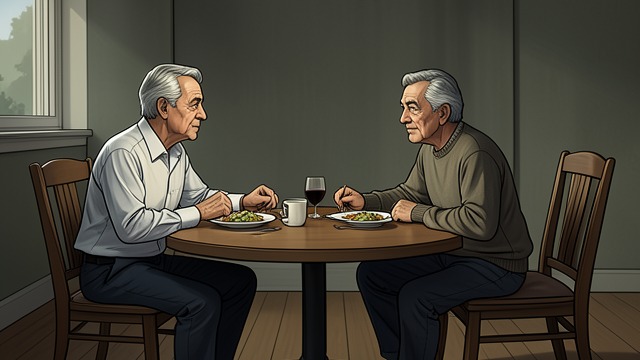
A Shared House, Unequal Claims
Cooperation Without Erasure
The Washingtons and renters share a home, meals, and care, but they do not become socially identical. Ownership, money, race, and family responsibility continue to shape their positions.
Belonging Reconsidered
The crisis makes practical solidarity more important than the appearance of belonging. Yet the novel leaves their shared future uncertain, showing that proximity can create cooperation without removing inequality.
The family’s arrival at the vacation house
The first night the Washingtons return
During the first kitchen discussion
The morning the men visit Danny
Near the novel’s ending
