Hurricane season
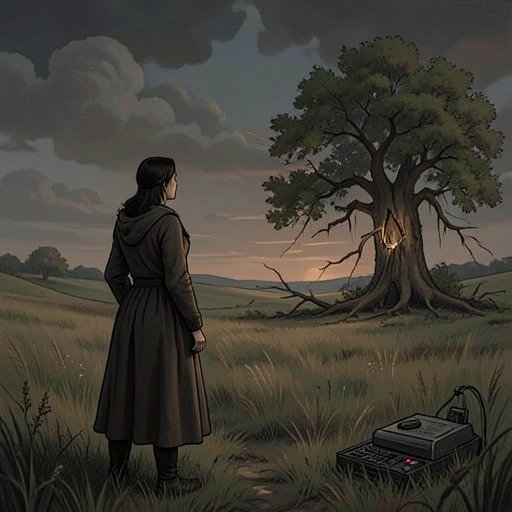
Leave the World BehindHurricane season gives the crisis a specific seasonal and environmental context without providing an explanation for it. In the second week of August, with classes only days away, the unusually bad season joins a wider accumulation of warnings and strange events; later, a possible storm becomes one of the characters’ uncertain theories about what they have witnessed.
Seasonal Setting
The season is already part of Clay’s mental inventory of troubling developments: he recalls that hurricane season is particularly bad alongside reports of rising seas and attention to Greenland. The date sharpens the ordinary calendar backdrop—school will begin soon—against which the family’s sense of approaching catastrophe grows. The season is therefore both a concrete marker of late summer and one element in a broader pattern of environmental concern.
Storms as a Possible Explanation
In conversation at the house, Amanda proposes that the mysterious noise might have been thunder from a powerful storm. She connects the possibility to an Atlantic hurricane and to reports of birds blown off their migratory paths. Her suggestion offers a natural explanation for the disturbance, but it remains speculation: the characters do not establish that a storm caused the noise or the birds’ behavior.
Migration and Uncertainty
The group’s discussion turns from the storm to whether the birds migrate and whether they cross the ocean. Clay admits he does not know. Ruth wonders whether the birds gather in lakes and eat shrimp, linking that diet to the pink feathers of the Flamingos. The exchange makes the hurricane season a framework for interpreting unusual animal movement, not a settled answer. Environmental change is present in the characters’ conversation as a possibility they can recognize but cannot verify.