Summer
Leave the World BehindSummer is the narrowing interval between an unsettled present and the routines the characters expect to resume. In the second week of August, school is close enough to count down in days, yet the blackout and the unexplained noise make even that ordinary calendar feel uncertain. The season holds both the pressure of approaching change and the wish that morning, home, and familiar city life might still arrive as expected.
The Calendar Under Pressure
Clay’s mental inventory of the wider world places the family’s crisis in a specific late-summer moment. He recalls talk of rising seas and Greenland, a particularly bad hurricane season, Ebola’s return, shifting interest rates, and alarming impressions of public leaders’ health. Against these large and disquieting signs, the school calendar remains stubbornly precise: classes will begin soon, and the distance is measurable in days. Summer’s ending supplies a mundane timeline at the very moment that larger events resist explanation.
The season also frames Clay’s struggle to make the noise intelligible. He fears its return after sunset and cannot infer its cause from what he remembers hearing. His recollections of possible disasters accumulate beside the ordinary facts of August, without resolving them. Summer is therefore not simply a peaceful backdrop: its familiar markers persist while the meaning of the present remains unknown.
Weather, Darkness, and Shelter
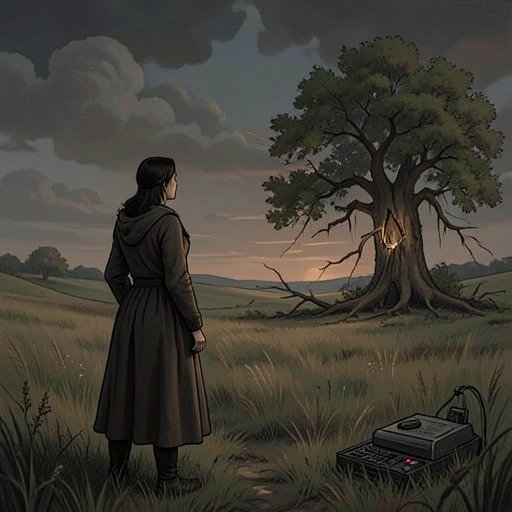
After the noise, the rain has abated and the deck is dry beneath the eaves, but the adults choose to dine indoors. Mosquitoes are near the end of their season, yet it is the woods that menace them. A waxing, pale-yellow moon shows through broken clouds; the night outside is visible, but not reassuring. The weather offers a brief lull without making the surrounding landscape feel safe.
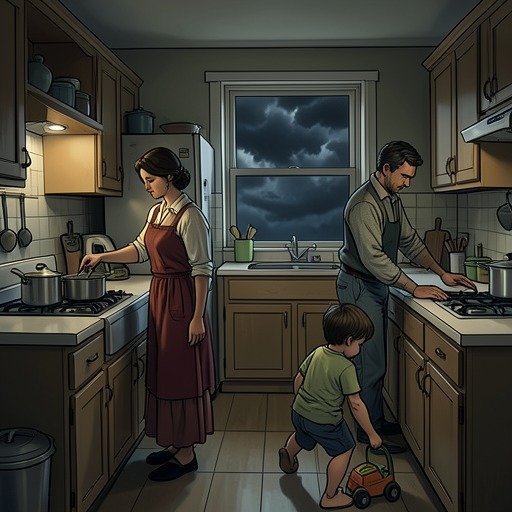
Inside, the group’s meal takes on the shape of a familiar seasonal gathering. Food passes between plates, glasses are filled, and conversation relaxes into a silence like the pause at a restaurant or party. The adults cannot tell whether their strangely joyous composure is a response to the shared meal, collective hysteria, or cold chardonnay. The ordinary rite of eating together gives the evening a recognizable form even as the characters cannot agree on what has happened or what may follow.
The Summer They Hope to Recover
Clay imagines the end-of-summer city through heat shimmering above the streets, window units dripping overhead, ice-cream trucks sounding, and tourists wandering humid sidewalks beneath office buildings venting air-conditioning. This remembered or anticipated urban scene stands against the countryside’s dark woods and the unease of the house. Marble counters, a swimming pool, and responsive light switches are luxuries, but the city’s familiar heat and street life would be enough for him.
The family also projects summer’s end forward into plans for winter break. Paris appears as a possible destination despite the cold: Clay imagines the children on the Eiffel Tower, their breath visible as they look out over the city, and promises they will see The Lady and the Unicorn. Yet the image is interrupted by his recollection of Paris flooding and the Louvre moving thirty-five thousand works of art to protect them from the Seine. Even the imagined holiday carries evidence of environmental danger. Summer thus connects the characters’ immediate hope of getting home with a future they try to picture, while reminders of crisis intrude on both.