
Amaia and Rosario’s Daughterhood
Legado en los huesosThis thread follows Amaia’s lifelong bond with Rosario, from childhood fear and hidden family history to a final confrontation shaped by the danger to Ibai.
increasing Bearing strength in each event
 decreasing
Bearing strength in each eventdecreasingA Mother’s Threat
Love Distorted by Fear
Nighttime Terror
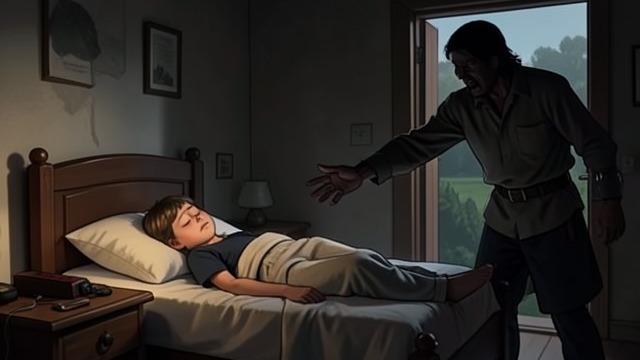
Amaia’s childhood memories of Rosario are dominated by the mother’s cruel nighttime visits and the threat that she might eat her daughter. Amaia lies still, trying not to open her eyes, and seeks refuge in her sisters’ beds because she cannot feel safe alone.
A Bond Without Tenderness
Rosario is not simply absent from Amaia’s life; she is a powerful presence who watches and frightens her while withholding ordinary affection. The child grows up alert to her mother’s movements and uncertain whether love can exist alongside such deliberate cruelty.
That early relationship becomes the emotional wound Amaia carries into adulthood. Her fear is not a vague memory but an embodied expectation that Rosario may return to harm her.
Motherhood and the Old Wound
Fear of Becoming Her Mother
The Question of Good Motherhood
As Amaia prepares for her first child, she longs to be a good mother but finds herself unsettled by the expected rituals of pregnancy and baby care. Her reluctance to choose a name or buy frilly clothing reflects not a lack of love, but the difficulty of believing the child is real and of trusting herself with that responsibility.
Old Fear Reappears
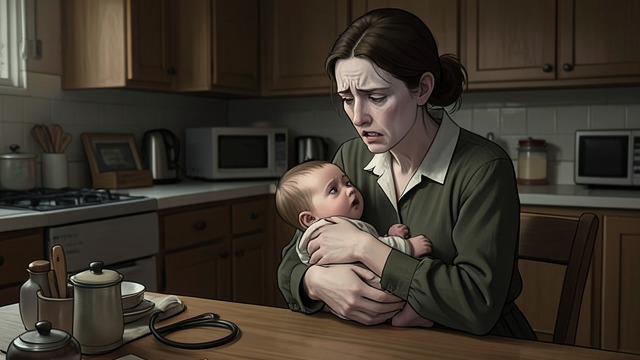
After Ibai’s birth, exhaustion and feeding difficulties awaken a harsher question: how much of Rosario might live in Amaia? She worries that frustration or uncertainty could make her a bad mother, repeating the harm she experienced.
The emotional burden is intensified by the contrast between the mother she wants to be and the mother she remembers. Amaia’s love for Ibai is profound, but it does not immediately free her from the fear that maternal care can become dangerous.
The Sister Hidden in the Family
A Secret Inside the Mother-Daughter Bond
Evidence of a Twin
Forensic results show that infant bones found in the desecrated church are genetically connected to Amaia and closely match her DNA. Amaia learns that she was born alongside a twin, a child whose existence was omitted from her family’s account of her birth.
Rosario’s Concealed Past
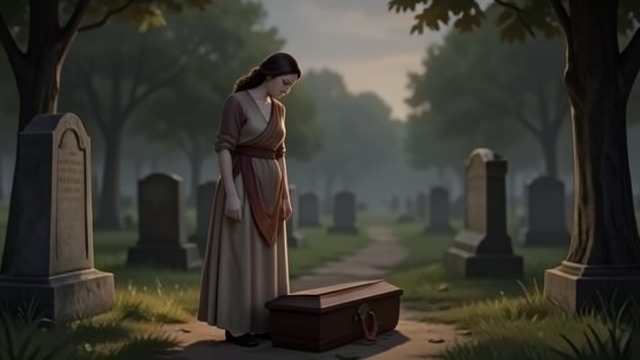
The birth records and family recollections do not agree about the baby’s death, and the twin’s coffin in Polloe Cemetery contains no body. Amaia must reconsider Rosario not only as the mother who terrorized her, but as the keeper of a deliberate and disturbing secret.
The discovery gives Amaia’s recurring dream of a wounded child a new meaning. It does not resolve her relationship with Rosario; it makes the bond more intimate and more frightening by revealing that the mother’s choices shaped both daughters’ lives.
The Hidden Twin’s Death
Two Births and a Cover Story
The Night of Delivery
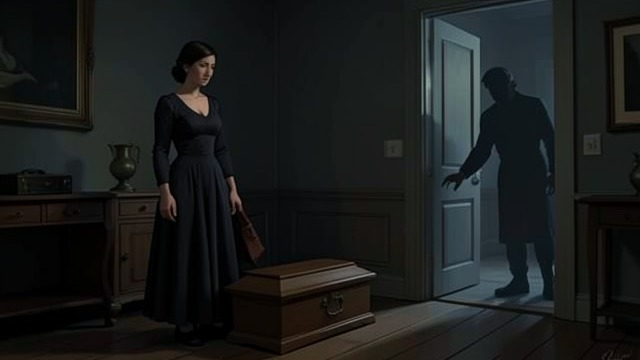
Rosario gives birth to twin girls at home. One newborn survives, while the other dies; when Juan discovers Rosario pressing a cushion to the living baby, he intervenes, but the family does not openly confront what the incident means.
A Secret Burial
Rosario takes the dead infant to San Sebastián and arranges a private burial with her relatives, while Juan stays behind with the surviving child. The account of the death is subsequently concealed, and the empty coffin leaves Amaia without the physical remains she hoped would explain her sister’s fate.
The past reveals an especially painful imbalance in Amaia’s bond with her mother: Rosario’s care and violence were not only directed at the child who grew up, but shaped the hidden fate of the twin who did not. Amaia’s search for the sister becomes inseparable from confronting the mother who kept that history from her.
Facing Rosario at the Cave
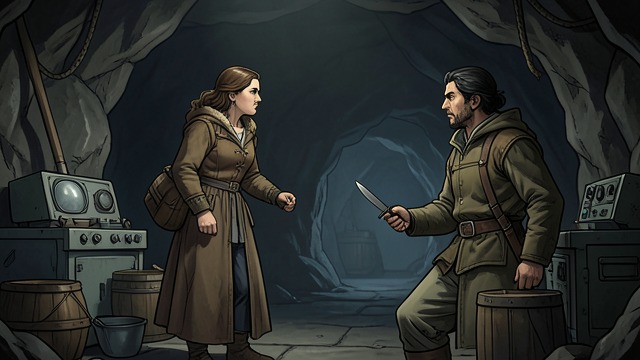
The Daughter Faces Her Mother
A Familiar Threat
Amaia enters the cave and sees Rosario beside Ibai, carrying a knife as part of the attempted sacrifice. For an instant, Rosario’s gaze sends Amaia back to childhood, where her mother’s control once seemed impossible to resist.
Breaking the Pattern
Ibai’s distress brings Amaia back to the present. She orders Rosario to move away and asserts that Ibai is her son, refusing the story Rosario has imposed on him as the child who should have been born. Amaia rescues her son rather than letting the old terror dictate her actions.
Rosario nevertheless declares that she has not finished with Amaia. The confrontation brings no emotional reconciliation: it is a moment of survival and resistance, in which Amaia protects her child while recognizing that her mother’s threat may outlast the immediate crisis.
During Amaia’s childhood in Elizondo
In the months around Ibai’s birth
After DNA results connect Amaia to infant remains
On 23 June 1980 and the following day
During the storm, when Amaia finds Ibai
