
Forgiveness Across the Valley
LeilaThis flow traces how the novel challenges judgment by showing forgiveness extended across religious disagreement, personal failure, and institutional conflict.
increasing Bearing strength in each event
 decreasing
Bearing strength in each eventdecreasingThe Accusation of Modernism
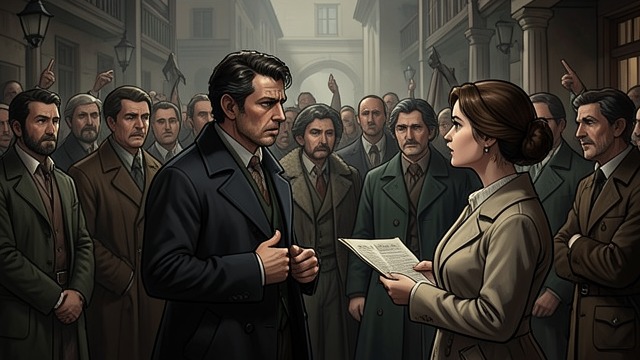
Labels and Persons
A charged question
Lelia repeats a scandalous claim about Benedetto, and Massimo answers with anger. Don Aurelio defends the dead man’s life while admitting uncertainty about doctrine.
The limits of labels
The scene establishes the cost of reducing people to labels such as heretic or modernist. A person’s conduct cannot be reliably read from rumor alone.
The Chaplain’s Resentment
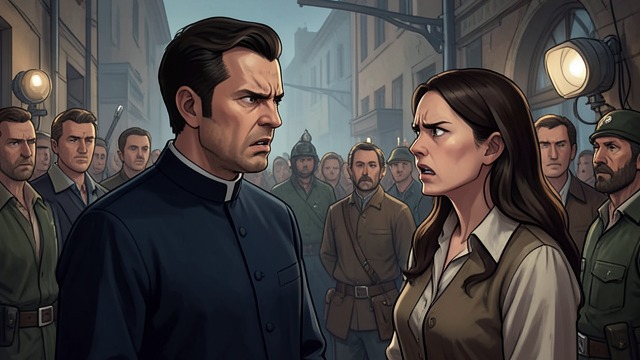
A Judgment Reversed
Hostility disguised as zeal
Don Emanuele believes he serves religious truth while projecting bad motives onto Fedele, Don Aurelio, and Massimo. His inner certainty makes him resistant to evidence.
Fedele’s moral struggle
Fedele responds with anger, then later confesses her own uncharitable thoughts. Forgiveness requires recognizing that judgment can corrupt even those who mean well.
Benedetto’s Funeral Message
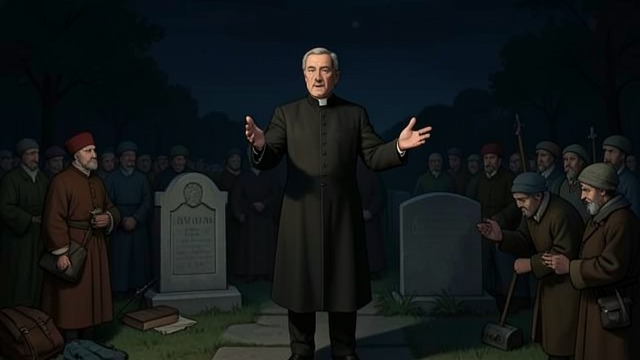
A Call to Withhold Judgment
Don Aurelio speaks
At the graveside, Don Aurelio asks the crowd to forgive both those who accused Benedetto and those who mocked him. Human beings, he argues, know too little to judge another’s limits.
The night’s travelers
His image of people calling to one another in darkness turns the funeral into a moral appeal. Faith becomes a shared search rather than a license to condemn.
during Massimo’s first meal at Montanina
the day Fedele confronts Don Emanuele
the night the coffin reaches Albogasio
