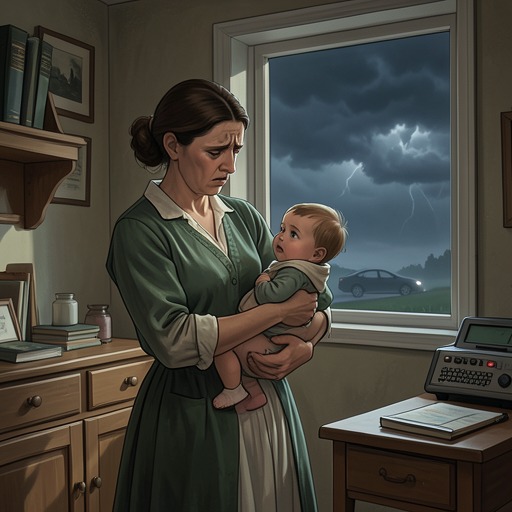
Attempted suicide of Alexander
Les Choses humainesAlexandre Farel’s suicide attempt at the beginning of his first year at École polytechnique interrupts a story of precocious academic success and becomes a defining fracture in his family’s understanding of his later distress. Alexandre presents it as a response to accumulated pressure and frustration rather than a lethal intention, while Claire Farel remembers its aftermath as a rupture the family never managed to repair.
Background and Circumstances
Alexandre recounts an adolescence shaped by demanding academic milestones: he passed the baccalauréat at sixteen, entered École polytechnique on his first attempt, and was later admitted to Stanford University. He stresses that this record made success look effortless from the outside, although he had struggled with anorexia between the ages of ten and thirteen and had been seen by a psychiatrist. In his second year of preparatory classes, pressure contributed to a depressive episode.
The attempt came just after the entrance examinations, at the start of Alexandre’s first year at École polytechnique. In his account, the examinations had required him to set aside his personal life for two years. He describes the combination of pressure and frustration as overwhelming, despite his outward achievements. He also says he did not want to die and characterizes the attempt as a way of drawing attention to himself, while specifying that it was not serious and posed no mortal danger.
Family Response and Lasting Effects
During Alexandre’s trial, Claire Farel described the attempt as a terrible event for the family. Until then, she said, his life had seemed to proceed in a straight line; afterward, his parents remained afraid that he might try again. She likened him to broken porcelain whose pieces had been put back together without restoring its original integrity: even a sudden movement seemed capable of making it shatter again.
Claire connected the crisis to a broader change in her view of her son’s prospects. The contrast between visible markers of achievement and the less attainable reality of private happiness had become stark, and she feared that Alexandre might never again be fully happy. She also recalled that her own illness had preceded the attempt, making the family’s confrontation with death a double one that, in retrospect, may have left him more vulnerable than they understood at the time.
Jean Farel’s Retrospective Account
Jean Farel later situated the attempt within a longer pattern of pressures and missed warning signs. He recalled that Alexandre had experienced fears and obsessive-compulsive symptoms as a child, had struggled to make friends at school, and had suffered from anorexia in adolescence. Jean believed that his own strict diet and emphasis on academic performance had influenced his son, and acknowledged that his ambitions for Alexandre reflected opportunities he himself had not had.
Jean also said the family had attributed the crisis to the pressures of military-style training at École polytechnique. Looking back, he admitted that they had not seen—or had not wanted to see—that Alexandre was doing badly. His testimony thus complicates the family’s earlier effort to treat the attempt as an isolated episode: it had occurred amid accumulated expectations and distress, while its meaning was only partly recognized at the time.
Narrative Significance
The attempt recurs in the novel not only as a past crisis but as a point through which Alexandre’s parents interpret later events. Claire’s account emphasizes the lasting fear and sense of damage it left behind; Jean’s connects it to family expectations and the failure to recognize distress. Alexandre’s own explanation differs in emphasis, presenting the act as a bid for attention rather than a genuine wish to die. The event therefore remains consequential without yielding a single, settled account of what it meant to him or to his family.