
Chance, Providence, and Rescue
Les MisérablesThis thread traces the apparent accidents and unlikely encounters through which the novel turns danger into opportunities for deliverance.
increasing Bearing strength in each event
 decreasing
Bearing strength in each eventdecreasingA Door Opens at Digne
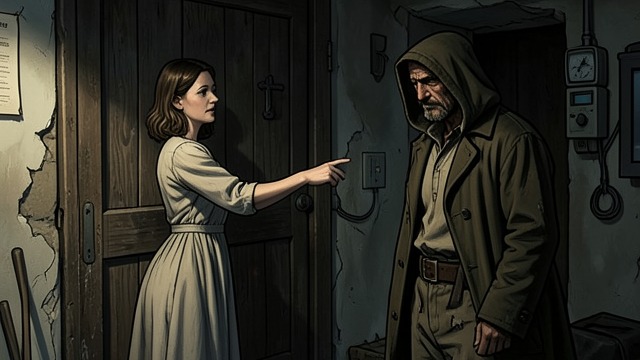
A Door Opens at Digne
A chance direction
After every inn and public refuge turns him away, Jean Valjean is directed to Bishop Myriel’s home by a woman he meets in the town. The journey that could have ended in another rejection leads instead to hospitality.
The chance encounter breaks the pattern imposed by his passport and past. A stranger treats him as a guest before knowing what he will do.
Providence through human choice
The narrative presents the meeting as providential, but the bishop’s welcome is also a deliberate moral act. Divine possibility becomes effective through human generosity.
The scene introduces a world in which chance can create a new beginning, provided someone chooses to act with mercy.
The Rescuer Recognized Too Late
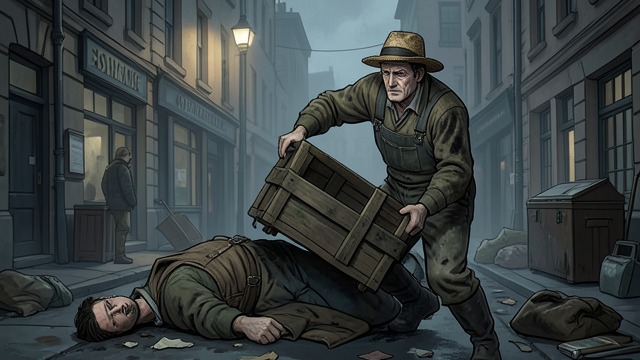
The Rescuer Recognized Too Late
A cart accident
Old Fauchelevent is trapped beneath his overturned cart while bystanders wait for equipment. Monsieur Madeleine acts immediately, lifting the cart himself.
The rescue saves a life but exposes the unusual strength associated with Jean Valjean’s convict past. An act of good risks revealing the rescuer’s hidden identity.
A future connection
Old Fauchelevent later helps Jean Valjean and Cosette find shelter at the convent. The stranger whose life Valjean saved becomes the means by which another refuge is found.
The episode gives providence a practical form: a risky act of compassion creates a relationship that will make later rescue possible.
The Open Sewer Grille
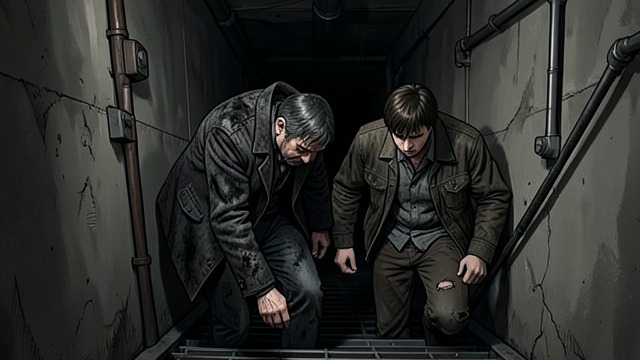
The Open Sewer Grille
An escape found by looking
Carrying Marius through the fighting, Jean Valjean searches for an escape route. He notices a loose sewer grille beneath broken paving stones.
The discovery appears miraculous because it comes at the moment when delay could mean death. Valjean’s experience and attention make use of a chance opening.
Deliverance with a burden
Valjean descends into the sewers with Marius and closes the grille behind them. The route removes them from gunfire but begins a dangerous journey through darkness.
The rescue is not an effortless miracle. It depends on Valjean accepting physical danger and carrying another person toward safety.
A Key at the River
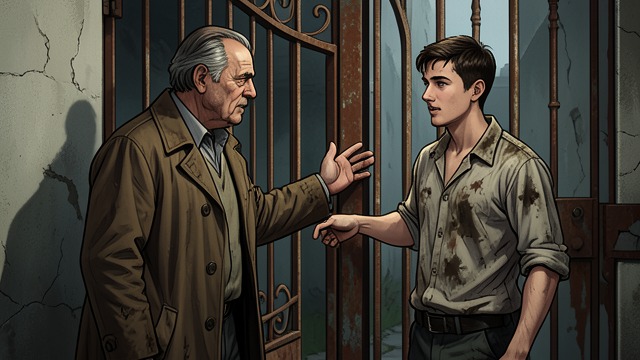
A Key at the River
An unexpected helper
At the sewer’s locked exit, Jean Valjean encounters Thénardier, who has a key. Thénardier mistakes Valjean for a murderer and agrees to help for a share of the money.
The encounter is morally compromised, but it offers a way out when Valjean has no strength to return through the tunnels. A selfish bargain becomes a means of survival.
Rescue by accident
Thénardier opens the gate, allowing Valjean to carry Marius into the open air. He does not intend to save a wounded young man, but his actions enable the rescue.
The scene complicates any simple opposition between providence and chance. Deliverance can arrive through imperfect people and mixed motives.
The Letter That Returns
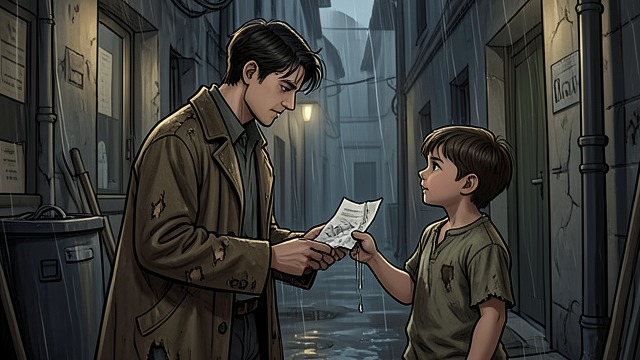
The Letter That Returns
A message misdirected
Marius asks Little Gavroche to carry a letter to Cosette. After Gavroche dies, Jean Valjean obtains the message without knowing at first what it contains.
The letter’s route links the barricade to the household from which Marius believes himself separated. Its delivery becomes part of the chain of events that brings Valjean into the fight.
A life saved, a truth delayed
Jean Valjean reads that Marius expects to die and hurries toward the barricade. He saves Marius without telling him who carried him through the sewers.
The information reaches Marius only much later, through Thénardier’s account. Chance preserves the relationship before truth can repair it.
October 1815, at Bishop Myriel’s house
Around 1821, at Montreuil-sur-Mer
June 6, 1832, as the barricade falls
Evening, June 6, 1832, at the sewer outlet
June 6, 1832, at Rue de l’Homme-Armé
