
Love as Illusion and Self-Deception
Les liaisons dangereusesThis thread traces how characters interpret desire through fantasies that conceal manipulation, self-interest, and incompatible needs.
increasing Bearing strength in each event
 decreasing
Bearing strength in each eventdecreasingCécile Names Her Feelings

Innocence Interprets Desire
A New Emotion
Cécile experiences longing and jealousy before she has a clear vocabulary for love. She reads Danceny’s attention as proof of a future happiness she cannot yet evaluate.
Guidance as Distortion
Merteuil supplies explanations that make secrecy seem harmless. Cécile’s self-understanding is shaped by the person manipulating her.
Valmont Names Conquest Love

Desire Disguised as Devotion
Strategic Language
Valmont describes himself as a sincere lover while planning how to bypass Tourvel’s refusals. His eloquent letters make pressure resemble tenderness.
Audience and Self
He also persuades himself that the campaign is exceptional and that his feelings are under control. The gap between his claims and actions reveals self-deception as part of the seduction.
Tourvel’s Idealization

Believing in Transformation
A Loving Interpretation
After yielding, Tourvel sees Valmont’s attention as proof that he has changed. She treats her happiness as evidence that their attachment is morally and emotionally unique.
Hope Under Pressure
Her belief helps her endure guilt, but it also leaves her unprepared for his betrayal. The illusion is sustained by the same tenderness that makes her vulnerable.
Merteuil’s Theory of Others

Desire as a Story People Tell
Merteuil’s Analysis
Merteuil argues that people embellish beloved figures with imagined virtues. She treats love as a self-authored illusion and claims that she can stand outside it.
Her Own Blind Spot
Her attachment to control and recognition also shapes her judgments. She correctly detects Valmont’s feeling but underestimates the emotional force of her rivalry with him.
The Illusion Shattered
Evidence Replaces Fantasy
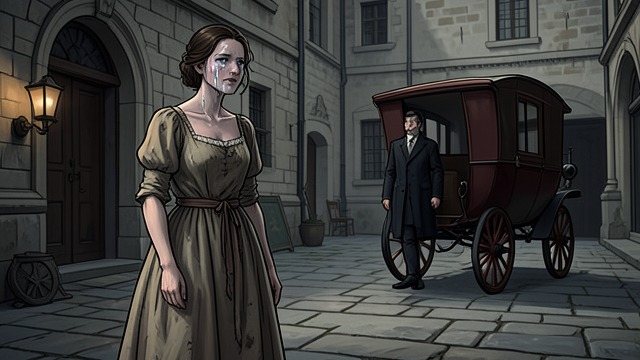
Tourvel Sees the Carriage
Tourvel encounters Valmont with Émilie and can no longer sustain her image of exclusive devotion. His breakup letter confirms that the relationship was shaped by manipulation.
Aftermath
Tourvel does not simply stop loving him; she experiences love, shame, and grief together. The collapse of her belief becomes a physical and spiritual crisis.
August
August to September
Late October to November
November
November 15 to 27
