
Religion, Doubt, and Responsibility
Lessons in ChemistryThis thread traces the novel’s debates about religion and science through Calvin’s correspondence, Wakely’s ministry, and Elizabeth’s public humanism.
increasing Bearing strength in each event
 decreasing
Bearing strength in each eventdecreasingCalvin’s Challenge

Calvin’s Challenge
Evidence Against Certainty
Calvin questions Wakely’s belief that a creator explains the world, insisting on evidence rather than conjecture. Their letters test whether religious stories can withstand scientific scrutiny.
Friendship Across Disagreement
The correspondence remains personal even when the ideas clash. Calvin values honest debate more than agreement, and Wakely continues to admire him after their letters end.
Wakely’s Unsteady Faith
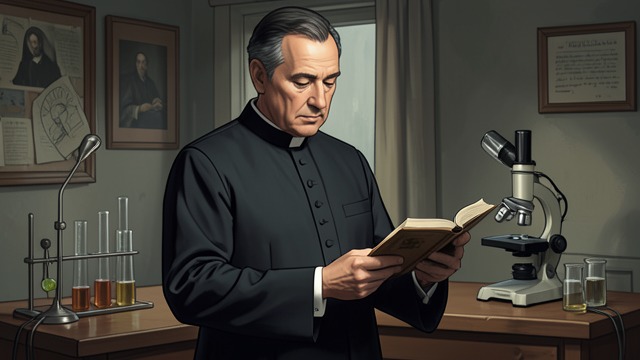
Wakely’s Unsteady Faith
Science Enters the Seminary
Wakely studies chemistry and finds that evidence unsettles beliefs he inherited from generations of ministers. His doubts do not immediately remove his religious vocation.
Consolation and Honesty
He often tells people comforting stories because they want reassurance. Encounters with Elizabeth and Madeline make him more aware of the gap between consolation and truth.
An Atheist on Television

An Atheist on Television
A Direct Answer
When a viewer asks about grace, Elizabeth says she is an atheist. Her answer is straightforward rather than an attempt to persuade the audience to adopt her belief.
A Public Backlash
Viewers and sponsors respond with hostility, including threats. The reaction reveals that public tolerance does not extend equally to those who reject religious belief.
Faith Without Religion

Faith Without Religion
A Child’s Distinction
Madeline tells Wakely that faith is not based on religion. She challenges him to distinguish trust and hope from institutional doctrine.
A Minister Reconsiders
Wakely has spent years trying to console people, but Madeline’s questions unsettle his assumptions. He becomes more willing to admit uncertainty and the limits of his authority.
Responsibility for Change

Responsibility for Change
No Appeal to Fate
Elizabeth argues that invoking divine plans can excuse people from responsibility for injustice. Humans, she says, have the power and duty to improve the conditions they create.
A Humanist Position
Her argument does not promise that people can control nature or reverse every loss. It insists that social harms—such as exclusion and discrimination—are human choices and can be changed.
During Calvin and Wakely’s correspondence
During Wakely’s years as a minister
During a broadcast about food and gratitude
During Madeline and Wakely’s conversations
During Roth’s interview with Elizabeth
