
The Dog, the Leash, and Responsibility
Lessons in ChemistryThis thread follows how Elizabeth’s guilt over the leash becomes part of her grief, while the story distinguishes responsibility from the impossible wish to control every outcome.
increasing Bearing strength in each event
 decreasing
Bearing strength in each eventdecreasingA Safety Decision
A Safety Decision
Precaution Chosen
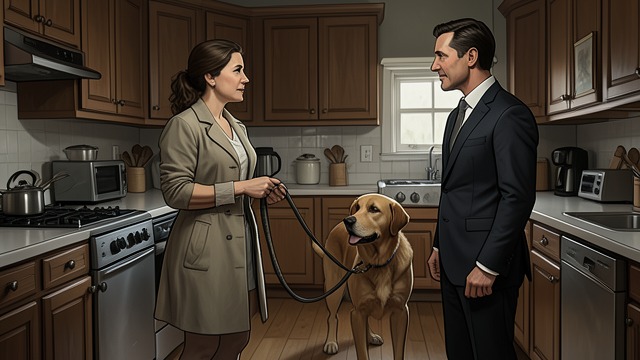
Elizabeth insists that Calvin use a leash with Six-Thirty. She believes the restraint is a sensible way to manage the dog’s safety and the household’s responsibility.
An Ordinary Choice
The decision carries no apparent significance at the time. Its later association with the accident gives a practical object an emotional weight it could not have held beforehand.
The Leash Breaks
The Leash Breaks
Accident and Loss
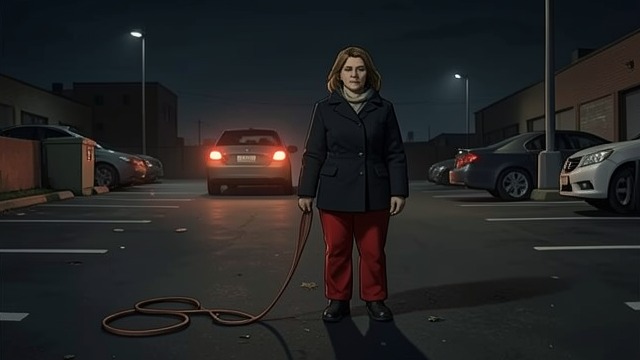
The leash snaps when Calvin is struck by a police car. Six-Thirty is injured and separated from the person he wants to reach.
A Meaning Assigned Later
The snapped leash becomes an emblem of Elizabeth’s belief that her own choice caused Calvin’s death. The novel shows how grief can attach to one visible detail in an event no one could fully control.
A Grave Mark’s Reminder
A Grave Mark’s Reminder
Words That Break Off
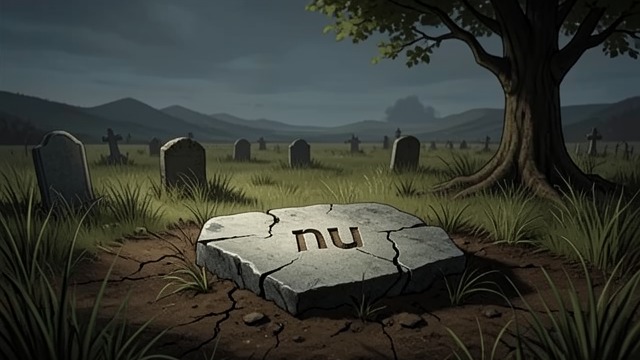
A bullet damages Calvin’s tombstone, leaving only fragments of the inscription. Elizabeth reads the remaining “nu” and recalls Calvin’s childhood mantra: every day, new.
Memory Opens a Door
The damaged stone makes her reinterpret the words she had taken as a memorial. The scene offers a clue to Calvin’s private language without removing her grief.
A Promise Not to Hold Back

A Promise Not to Hold Back
Elizabeth’s Account
Elizabeth tells Roth she holds herself responsible for Calvin’s death because she insisted on the leash. The statement reveals how grief has shaped her later choices.
A Costly Rule
She says she will never hold anyone back again. The vow grows from love and guilt, but it risks making her responsible for outcomes no person can command.
Acceptance Without Erasure
Acceptance Without Erasure
No Complete Explanation
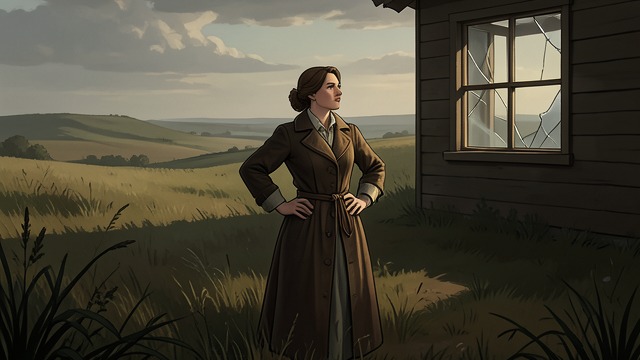
Wakely reminds Elizabeth that some losses cannot be changed or explained. The accident, like John’s suicide, cannot be undone by finding the perfect cause.
A Return to Choice
Elizabeth’s scientific instinct is to search for answers, but grief sometimes offers none. Accepting permanence allows her to re-enter life without treating every future risk as her fault.
Before Calvin’s fatal run
On the day of Calvin’s death
When Six-Thirty visits Calvin’s grave
During Roth’s interview
During Elizabeth’s conversation with Wakely
