
The Ethics of Privacy and Truth
Lessons in ChemistryThis thread follows the costs of concealed history and public exposure, as characters struggle to distinguish privacy from secrecy and truthful reporting from intrusion.
increasing Bearing strength in each event
 decreasing
Bearing strength in each eventdecreasingCalvin’s Unspoken Childhood

Calvin’s Unspoken Childhood
A Past Kept Private
Calvin rarely discusses the boys’ home or the losses that brought him there. His silence protects painful memories, but it leaves those who love him without the context to understand his anger.
The Cost of Not Knowing
Elizabeth and Madeline inherit questions rather than answers. What Calvin chose not to share becomes a mystery that others must approach carefully after his death.
A Family History Misused
A Family History Misused
Information Under Pressure
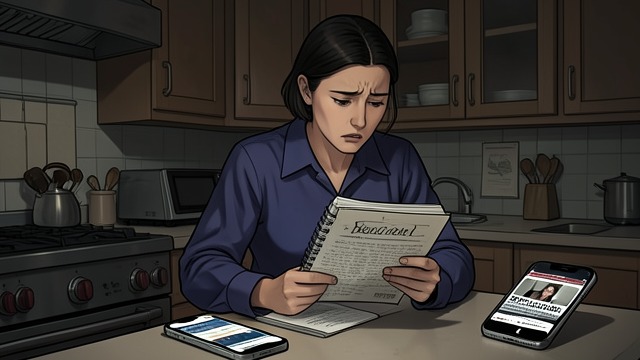
Madeline is asked to supply private family details for a school project. Adults around her disagree about what should remain private and what can be said openly.
Trust Violated
Mrs. Mudford passes information beyond the classroom, and the family’s history reaches the press. The breach shows how an ordinary assignment can expose people who never consented to publicity.
Roth’s Intrusive Question

Roth’s Intrusive Question
A Boundary Crossed
Roth asks Elizabeth about Calvin after she has already made clear that he should focus on her scientific work. Elizabeth recognizes the same curiosity that has turned her private life into public gossip.
A Reporter’s Choice
Roth understands that his question has damaged trust. Elizabeth eventually tells him the truth, and he decides not to publish the intimate details, though the magazine later distorts her story.
A Private Letter Read
A Private Letter Read
The Envelope Opens
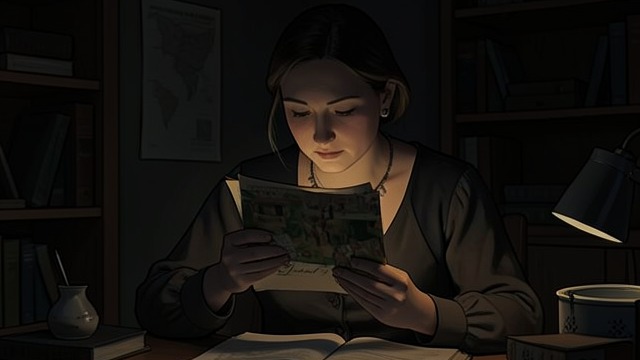
Madeline reads a private article from Roth and gives it to Reverend Wakely, who also reads it. Elizabeth is angry that the label “private” has not stopped anyone from opening it.
The Article’s Meaning
The article offers a truthful account of women scientists, but its private circulation still breaches Elizabeth’s boundaries. Good intentions do not erase the need to respect consent.
A Letter Corrects the Record
A Letter Corrects the Record
Frask’s Confession
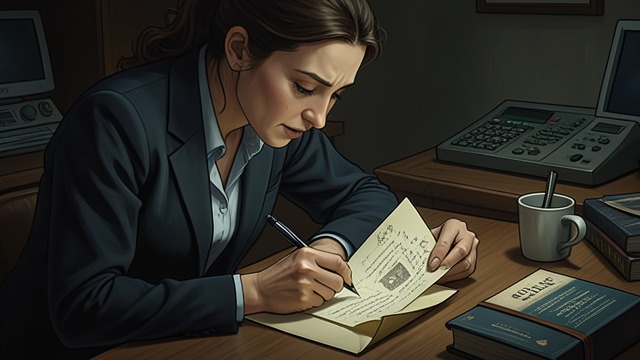
Miss Frask writes to Life, describing her part in Elizabeth’s dismissal and Donatti’s theft. She accepts responsibility rather than hiding behind her old role in Personnel.
Truth in Public
The letter gives readers evidence against the magazine’s earlier portrayal. It cannot restore privacy, but it challenges the lie and helps lead to institutional consequences.
Before Elizabeth searches Calvin’s papers
During Madeline’s school assignment
During the interview at Elizabeth’s home laboratory
After Madeline gives Roth’s manuscript to Wakely
After Miss Frask reads Roth’s unpublished article
