Chemistry is change
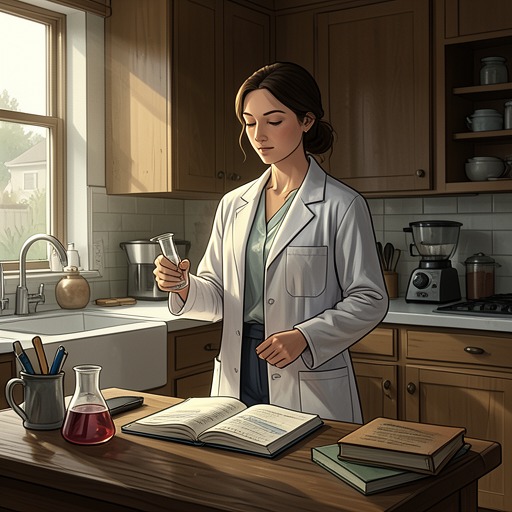
Lessons in ChemistryChemistry is change is the concise expression of Elizabeth Zott’s belief that change is fundamental to life and a means of challenging the status quo. In her final address to her audience, the phrase becomes more than a scientific analogy: it frames courage and self-determination as forces that can alter what women believe possible, even as the story distinguishes chosen change from losses that cannot be undone.
Meaning and Limits
The expression is described as the core of Elizabeth Zott’s belief system, joined to a call for people who refuse to accept the status quo or what is unacceptable. Yet the formulation is not a promise that every painful circumstance can be changed. It is set against the permanence of Elizabeth’s brother’s suicide and Calvin Evans’s death: some things happen and remain irreversible. That contrast gives the phrase its weight. Change is a possibility and an imperative, but not a power to reverse every loss.
The Phrase in Elizabeth’s Final Address
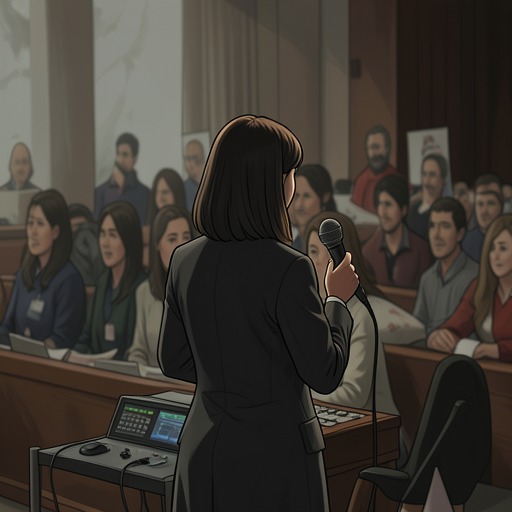
Elizabeth gives the idea its most public and direct form while addressing her audience. She announces that Marjorie Fillis, who once spoke of wanting to become a heart surgeon, has completed her premedical studies in record time and been accepted to medical school. The news revives the audience, and Elizabeth smiles as she imagines Marjorie preparing to operate. She then shifts attention from the achievement itself to the courage required to return to school and pursue it.
Writing the words on an easel, Elizabeth tells viewers, “Courage is the root of change—and change is what we’re chemically designed to do.” The scientific language makes her appeal characteristically her own, while the imperative is practical: reject other people’s judgments about what can be achieved, refuse categories imposed by sex, race, economic status, and religion, and decide what to change before getting started. The maxim thus joins an explanation of life to a demand for action.
Audience and Significance
The expression culminates in a collective challenge to self-restraint. Elizabeth asks women not to let their talents lie dormant and to design their own futures; the speech locates change not only in individual resolve but also in resistance to the social limits placed on women. Afterward, women across the country leap from their sofas and pound on kitchen tables, responding with both excitement at her words and heartache at her departure. The phrase therefore closes on a double movement: her message prompts action, while the audience’s grief registers that this is Elizabeth’s farewell.