Six-Thirty Saves the Cemetery Caretaker
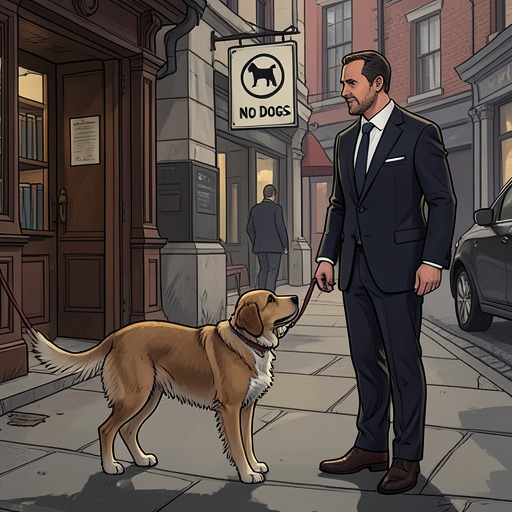
Lessons in ChemistrySix-Thirty Saves the Cemetery Caretaker is a cemetery confrontation that turns an apparent threat to Six-Thirty into an act of protection: when the groundskeeper aims a rifle at him, Six-Thirty knocks the man down and then helps summon assistance. The incident also has consequences beyond the cemetery, drawing attention to the groundskeeper’s conduct and leading to the dog ban being lifted.
Background and Threat
Six-Thirty is at Calvin Evans’s grave, where Elizabeth Zott is grieving. The groundskeeper objects to the dog being on the cemetery grounds and raises a rifle toward him. Six-Thirty freezes as he recognizes the danger, imagining what the incident could mean for Elizabeth and the others nearby. The threat places him in a stark choice: retreat from the man with the weapon, or intervene.
Intervention and Rescue
Six-Thirty acts before the groundskeeper can fire again, knocking him to the ground as the shot passes and strikes Calvin Evans’s tombstone. With the man down, Six-Thirty faces another choice: he considers attacking, but instead recognizes that the groundskeeper is hurt and presses himself against the man’s head to help stop the bleeding. He then barks until people arrive. The reversal is central to the encounter: Six-Thirty first prevents the threat from escalating, then protects the person who had aimed a weapon at him, turning a moment of danger into a rescue.
Public Account and Consequences
The rescue entered the public record through a reporter who had covered Calvin Evans’s funeral and recognized Six-Thirty from the cemetery. He photographed the dog, carried him to Elizabeth Zott’s home, and told her he intended to present Six-Thirty as a hero. The next day, Elizabeth found the story on page eleven, with Six-Thirty pictured on Calvin’s grave in the same place he had occupied seven months earlier. The article connected the rescue to the dog’s mourning at the grave, turning a private act of protection into a public account.
The report also exposed a history of complaints about the groundskeeper, including reports that he had fired at squirrels and birds during funerals. It announced that he would be replaced immediately and that the cemetery’s dog ban would be lifted. The shot had damaged Calvin’s tombstone, taking roughly a third of its inscription; the article promised a replacement marker. Thus the confrontation changed both Six-Thirty’s standing in the cemetery and the conditions that had made his presence there contentious.
Narrative Significance
The rescue is shaped by Six-Thirty’s memory of Calvin Evans: as the groundskeeper lies injured, the sight recalls the bleeding that preceded Calvin’s death. That association makes the decision to help more than a reversal of aggression; it binds Six-Thirty’s grief to an urgent act of care. The scene also unsettles the boundary between human and animal that the groundskeeper’s hostility assumes. Six-Thirty recognizes the danger, assesses the man’s vulnerability, and responds with restraint, making the cemetery encounter a measure of judgment and responsibility rather than mere obedience.