
The Limits of Resuscitation Ethics
Life After LifeThis conflict thread follows the tension between learning from medical emergencies and preserving the physician’s duty to treat rather than experiment.
increasing Bearing strength in each event
 decreasing
Bearing strength in each eventdecreasingEmergency Before Research
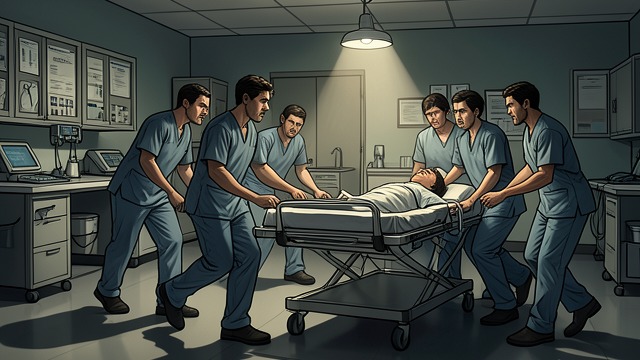
A Medical Priority
Treatment Comes First
Moody emphasizes that resuscitation situations are not controlled laboratories. The first duty of physicians and staff is to try to revive the patient.
An Ethical Boundary
Research cannot justify putting people into clinical death or interfering with lifesaving care. The subject’s unusual nature does not cancel ordinary obligations to the patient.
Data After the Event
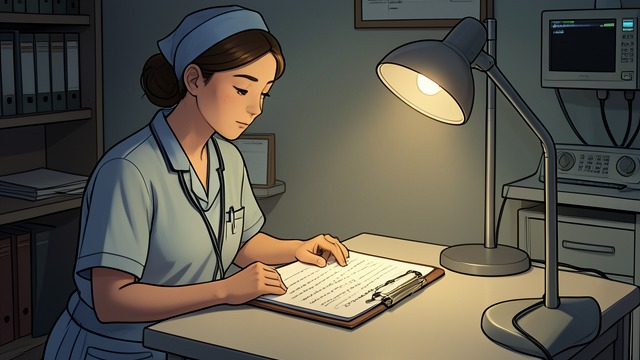
Learning Without Interference
Records Already Created
Clinical notes may record the cause of crisis, timing, treatments, and the patient’s early responses. Instrument readings can add data collected for therapeutic or diagnostic purposes.
An Imperfect but Ethical Path
Using existing information avoids turning a medical emergency into an experiment. The method remains limited by whatever records happen to have been made.
The Question of Artificial Life

Ethical Implications
Research Is Elementary
Moody says near-death studies may matter to decisions about artificially sustained life, but the research is too early to support conclusions. Even stronger evidence would not remove every ethical dilemma.
Separate Moral Position
He states his own opposition to mercy killing. He distinguishes that personal ethical judgment from conclusions he says the research cannot establish.
Resuscitation Resentment

The Patient’s Immediate Response
A Moment of Resistance
Some survivors tell Moody they resented being brought back because they wanted to remain in the experience. For emergency personnel, hearing this can be emotionally troubling.
Attitudes May Change
Moody says that in his experience the resentment is often temporary. After hours, days, or weeks, many become grateful for a second chance.
Care After Apparent Death

Words Still Matter
A Patient May Hear
Moody advises care in what medical staff say during resuscitation, since some revived patients later report hearing remarks. The warning makes respectful speech part of good care even amid uncertainty.
Presence Without Agreement
He describes a physician who speaks to patients after death despite interpreting near-death experiences physiologically. Attention to the patient can coexist with disagreement about the explanation.
When Moody considers controlled study during resuscitation
In Moody’s proposal to use existing clinical records
As Moody answers questions about life sustained by machines
After revived patients describe disliking resuscitation
In Moody’s discussion of bedside practice
