God
Life After LifeGod is presented in this book through reported experiences, theological arguments, and Raymond Moody’s stated religious belief, rather than as a character in a continuous narrative. The accounts associate God with loving guidance and the value of earthly life; Moody also emphasizes that near-death reports do not, by themselves, establish every doctrine people connect with God.
Identity and Interpretive Frame
The book treats God as a figure of religious belief whose meaning cannot be settled simply by collecting near-death accounts. Moody distinguishes what interviewees say they experienced from the larger theological claims readers might draw from those reports. In discussing heaven, hell, judgment, the end of the world, and God’s grace, he describes these as ultimate matters that human language can approach only imperfectly, often through figurative representation.
The accounts’ loving, accepting being of light is not simply identified as God. Moody notes that interviewees describe this being as loving them despite their shortcomings, but he separately discusses their religious beliefs and the theological meanings attached to their experiences. That distinction leaves room for the reports to carry spiritual significance without treating every element of an account as a definitive description of God.
A Presence in a Resuscitation Account
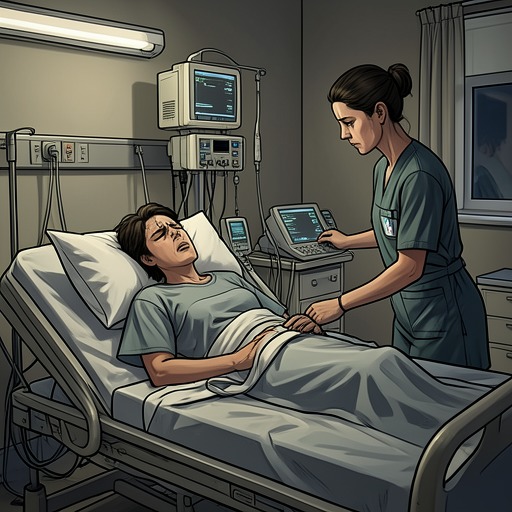
One woman who was gravely ill with an infection reported hearing God speak while doctors believed she was dying. She could hear people in the room but could not see them, and she had been wishing to live long enough to raise her children and take part in their lives. She described God’s voice as gentle and loving, and said it instructed her to breathe if she wanted to live.
She reported taking a breath, then another at the voice’s instruction, after which she began to return to life. The doctors, who had given up hope and had not heard the voice she described, were amazed and could not explain what had happened. Moody presents the episode as an account in which the patient understood her own resuscitation as guided by God; the medical response and the spiritual interpretation remain distinct parts of the report.
Life as Gift and Moral Responsibility
God also figures in accounts that interpret life as something entrusted to a person rather than something to be deliberately ended. One man who had experienced an apparent death after an accident reported a sense that killing himself or another person was forbidden. He understood suicide as rejecting God’s gift and killing another person as interfering with God’s purpose for that individual. Another survivor said he had sensed a penalty associated with suicide, including witnessing the suffering it would cause others.
Moody connects these reports with a long-standing theological argument against suicide: that human life is a gift or an assignment, and that people do not have the authority to end it at will. He points to related arguments by Plato, Thomas Aquinas, John Locke, and Immanuel Kant. These comparisons place the interviewees’ interpretations within an established philosophical and religious tradition; they do not establish that every survivor reported the same belief.
Forgiveness, Judgment, and Religious Claims
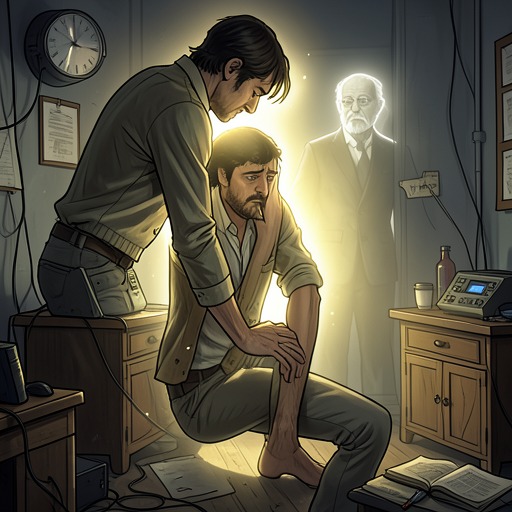
A psychiatrist who had experienced an other-world encounter during an apparent clinical death from an infection expressed the belief that God is more forgiving, understanding, and just than human beings can comprehend, and will deal with such matters according to love and wisdom. In the same discussion, the psychiatrist argued that a suicidal person needs love and understanding from other people, not condemnation. God’s forgiveness thus informs the book’s call for human compassion without erasing the seriousness with which some reports treat moral choices.
Moody also distinguishes an individual’s review of life from the Final Judgment. He argues that a report of having undergone the Final Judgment would conflict with the claim that the end of the world has not yet occurred. Interviewees may believe that a Final Judgment will take place, but, as Moody reports it, they hold that belief on scriptural authority rather than because their near-death experiences disclosed or predicted it. The experiences, in his account, neither prove nor rule out that future judgment.
Faith and the Limits of the Evidence
Moody states that he has come to accept, as a matter of religious faith, that life continues after death and that the phenomenon examined in the book is a manifestation of that life. He presents this as a personal belief, not as a logical conclusion he seeks to impose on readers. Elsewhere, he reports that ministers and theologians he consulted considered a vision potentially valid if it brought someone closer to God or encouraged them to follow religious teachings; they also judged the accounts consistent with the Bible.
The book therefore holds two levels of claim in view: interviewees’ descriptions of encounters and the religious interpretations they, Moody, or other readers may give them. God is central to those interpretations—as loving presence, giver of life, and ground of faith—while the limits Moody places on inference keep personal testimony separate from proof of a comprehensive theology.