Lake Rotorua
Life After LifeLake Rotorua anchors a Polynesian return-from-death story in which a sealed lakeside dwelling becomes the starting point and destination of a woman’s journey among the dead. The account gives the lake a precise narrative role: it places her death in isolation, her return within reach of people traveling by canoe, and her recovery on the nearby beach.
Setting in the Polynesian Account
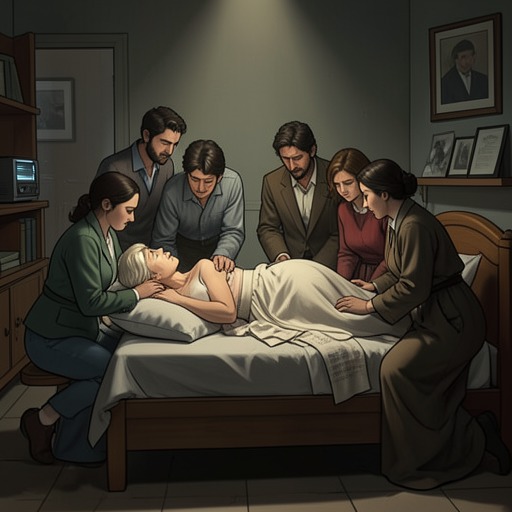
The story, quoted by Sir Edward Burnett Tylor in Primitive Culture, was told to Mr. Shortland by his servant Te Wharewera. Te Wharewera’s aunt, a woman of rank, died in a solitary hut near the banks of Lake Rotorua. Because her death made the dwelling tapu, its door and windows were secured and the house was abandoned. The lakeside setting thus begins as a place cut off from ordinary human access.
A day or two later, Te Wharewera and others were paddling in a canoe near the hut at early morning when they saw a figure on the shore beckoning to them. It was the aunt, alive again but weak, cold, and famished. Their timely help restored her enough to tell what had happened during her absence.
The Journey and Return
In her account, the woman’s spirit left her body and traveled toward North Cape(Reigna). At the entrance there, she descended a precipice by holding the stem of an akeake plant and reached a sandy riverbank. After escaping a great bird with the help of an old man in a canoe, she crossed the river and found her father and other relatives among the dead. Her father told her she must return because no one else remained to care for her child. He sent her back in the canoe with two enormous sweet potatoes for her grandchild.
The return journey was not immediate: two infant spirits pursued her as she climbed the precipice, and she escaped by throwing down the sweet potatoes to distract them. Back in the shut-up hut, she first experienced what had passed as a dream; in the dim light entering through the closed house, she found a calabash containing red ocher mixed with water and drank it. She then managed to open the door and crawl down to the beach, where her friends found her. The narrative brings her back to the Lake Rotorua shore from which the canoeists had first seen her.
Comparative Significance and Limits
The book presents the story as an account from another culture that resembles recurring features of contemporary near-death reports: departure from the body, a crossing, encounters with dead relatives, and an instruction to return. Lake Rotorua supplies the earthly frame for that comparison, connecting the woman’s reported journey to a specific hut, shore, and rescue by canoeists.
The account reaches the book through several stages of transmission: Tylor quotes a story told to Shortland by Te Wharewera, and the book’s author notes that he could not locate Shortland’s original work. He allows for differences in cultural expression and for distortion as the story passed from person to person. The listeners believed the woman’s account, but regretted that she had not brought back one of the sweet potatoes as evidence. The story therefore gives Lake Rotorua a vivid place in a cross-cultural collection while leaving the reported journey as a narrated tradition rather than independently verified testimony.