Melrose
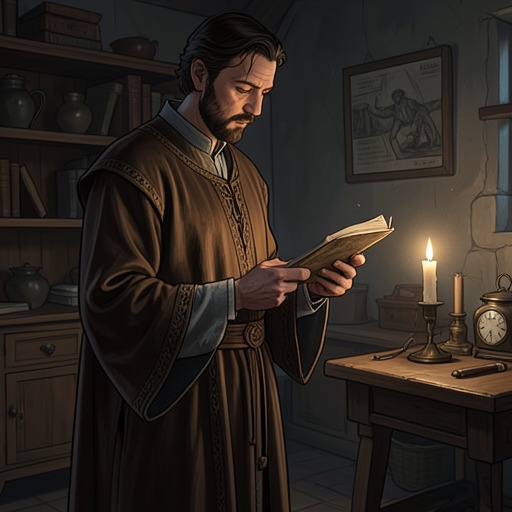
Life After LifeMelrose is presented as the destination of a man who, after returning to life from an apparent death, abandoned his worldly responsibilities and entered monastic life. Its role in the account makes the place a concrete marker of the lasting change attributed to his experience.
Setting and Description
The monastery is described as almost completely surrounded by a bend in the river Tweed. This geographical detail locates Melrose within the landscape of the account, while distinguishing it from the places the man encounters in his reported otherworldly journey.
Connection to the Returned Man
In Saint Bede’s story, a Northumbrian householder falls ill, dies during the night, and sits up alive again at daybreak. He tells his wife that he must no longer live as before and must adopt a different way of life. Not long afterward, he gives up worldly responsibilities and enters the monastery of Melrose. The account therefore connects the location not to the experience itself, but to the man’s subsequent response to it.
Narrative Significance
Melrose anchors the story’s spiritual transformation in a specific earthly destination. The man’s reported reluctance to return to his body is followed by a practical change after his return: withdrawal from his former responsibilities and entry into a monastery. In the book’s discussion of older accounts resembling contemporary near-death experiences, Melrose thus represents the life change that Saint Bede’s narrative associates with the experience.