
Truth, Perspective, and Family Judgment
Like Water for ChocolateThe story repeatedly unsettles official versions of events, asking who has the authority to define truth, virtue, and respectable family life.
increasing Bearing strength in each event
 decreasing
Bearing strength in each eventdecreasingA Birth Told as Legend

Memory Becomes Narrative
A Flood of Tears
Tita’s birth is described through an extraordinary flood that leaves salt for household use. The family account blends physical event, sensory memory, and legend.
A World Beyond Realism
The story establishes that emotional experience can reshape how events are told. Its truths are carried through memory as much as through conventional explanation.
Witnesses Misread the Escape
Competing Accounts
What Tita Sees
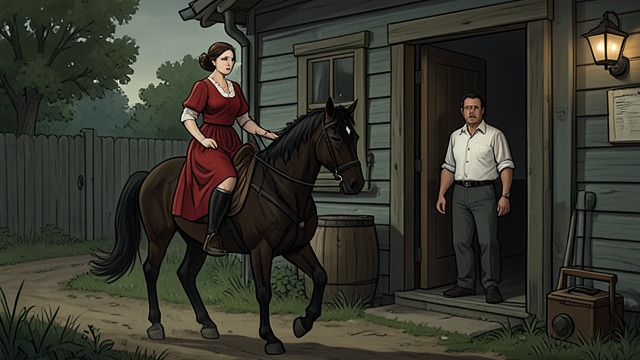
Tita witnesses Gertrudis ride away with Juan. She knows that the departure is not the kidnapping described to Mama Elena.
History Distorted
The family and public story misrepresent what happened. The episode warns that events become history through partial witnesses and convenient explanations.
The Secret Behind Respectability
Public Virtue Reconsidered
A Hidden Love
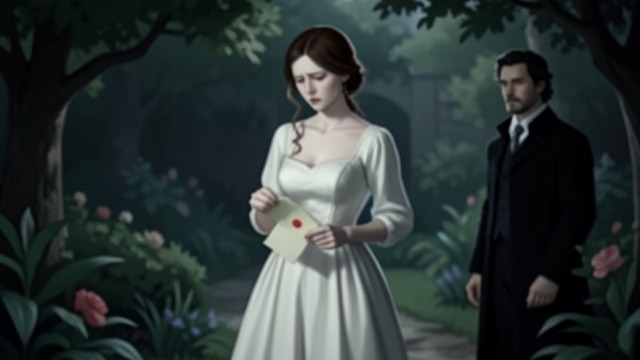
The letters show that Mama Elena had a passionate relationship with Jose Trevino despite her later insistence on strict conduct.
Judgment Reversed
Tita learns that the woman who enforced respectability had herself been denied the life she wanted. The discovery complicates simple divisions between virtue and hypocrisy.
Gertrudis Challenges Certainty

Truth as Perspective
A Personal Argument
Gertrudis tells Tita that truth depends on a person’s point of view. She reframes the conflict around who loved whom and who violated loyalty first.
A Call to Act
Rather than waiting for a perfect, uncontested account, Gertrudis urges Tita to acknowledge what she wants. Her argument shifts truth from abstract judgment toward responsibility for a choice.
A Cookbook as Counter-History
The Family Story Preserved
Tita’s Record
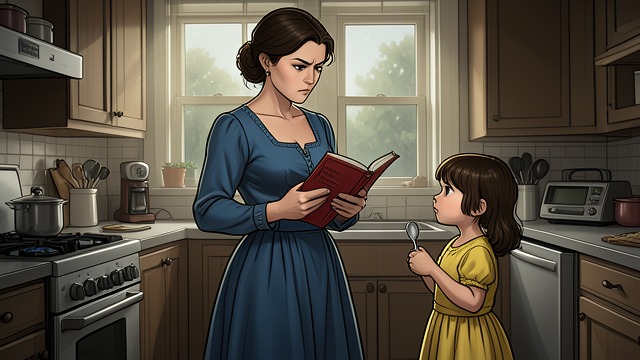
The cookbook links recipes to the events and emotions that formal family accounts omit. It preserves Tita’s perspective across generations.
A New Narrator
Esperanza passes it to her daughter, who retells the story while cooking. The family’s inherited narrative remains open to memory, interpretation, and renewal.
At the beginning of Tita’s story
The night Gertrudis leaves the ranch
After Tita reads Mama Elena’s letters
During her conversation with Tita about pregnancy
After the ranch fire
