Rosaura’s death
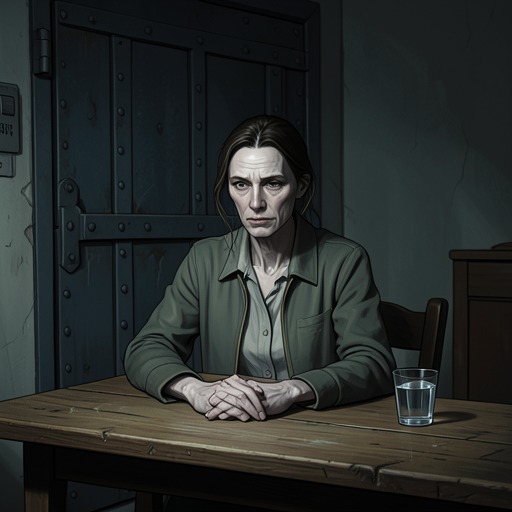
Like Water for ChocolateRosaura’s death ends her attempt to keep Esperanza bound to the family’s youngest-daughter tradition and makes possible the marriage that Tita has fought to protect. The novel presents the death through a retrospective account: while preparing food for Esperanza and Alex’s wedding, Tita remembers her sister, who had died a year earlier. The circumstances are recounted in detail, but the exact medical cause remains unsettled. The episode joins a domestic crisis to a larger change in the family, as Rosaura’s death is followed by the wedding she had tried to prevent.
Background and Conflict
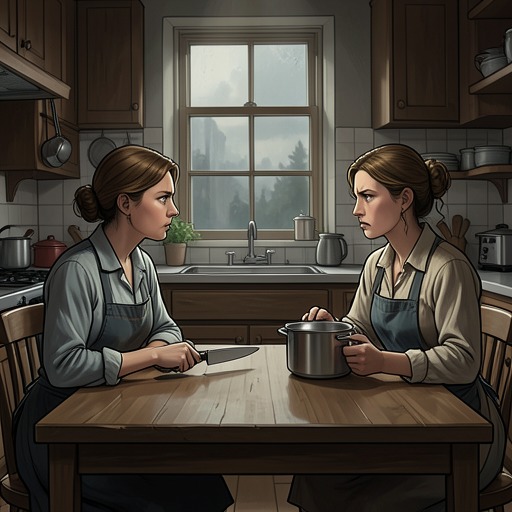
Rosaura’s death follows a renewed dispute over Esperanza’s future. Rosaura had insisted that her daughter should remain at home and care for her for life, treating the inherited obligation as a mother’s right. Tita and Pedro, by contrast, stood behind Esperanza’s possibility of marrying Alex. Their disagreement had already surfaced when Rosaura resisted sending Esperanza to school. She eventually agreed after being persuaded that education would help her daughter converse and move among the upper levels of Piedras Negras society, while Tita also taught Esperanza about love and life through the kitchen.
The prospect of an engagement reopened the conflict with greater force. Rosaura fought to preserve the future she had claimed for her daughter, and, for the first time, broke the pact she had made with Tita and Pedro, accusing them of causing her suffering. The confrontation continued for three days. The narration places Rosaura’s death at the end of this struggle, but does not say that the argument itself caused it: it attributes her death to her serious digestive problems and pointedly leaves the final cause indefinite.
The Fatal Crisis
The wedding-day recollection begins with the household’s ordinary evening routine. Rosaura had eaten supper and gone to her room; Tita and Esperanza remained talking in the dining room, while Pedro went upstairs to say good night to his wife. At first he did not consider the sounds from Rosaura’s room unusual, given her digestive problems. Their unusual duration eventually made him concerned that something was wrong.
Pedro tried to make sense of what he heard and of the disturbance in the room. The floor seemed to shake and the light flickered; for a moment, he wondered whether the sounds meant that fighting had begun again, before dismissing that possibility. He also tried the household remedy of carrying burning charcoal and sugar around the bedroom to clear an unpleasant smell. It failed. When Rosaura did not answer his knock, he opened the connecting door and found her dead. John Brown’s diagnosis was acute congestion of the stomach. That diagnosis gives the episode a medical explanation, but the surrounding narration does not establish a more precise cause.
Burial and Immediate Aftermath
Rosaura’s funeral was poorly attended. The odor from her body had worsened after her death, and many people chose not to come. Buzzards circled the funeral party; when it became clear that they would not find food there, they flew away. The account’s matter-of-fact treatment of this unsettling detail makes the burial another disruption of an expected family rite: the funeral offers little communal attendance, while the surrounding events continue to turn toward a wedding.
For Tita, however, mourning must coexist with work. As she remembers Rosaura while shelling the last nuts for the wedding meal, she turns back to finishing the walnut sauce. The wedding ceremony had been delayed for a year in Rosaura’s memory, and Tita’s recollection places the dead sister inside the preparations for the celebration that follows. Her absence is not incidental: Rosaura had wanted the wedding prevented, and Tita remembers her as someone who would have enjoyed the occasion, even as she recognizes the conflict that made the marriage so difficult.
Consequences for Esperanza and the Family
Rosaura’s death removes the person who had claimed the right to keep Esperanza at home. Tita identifies bringing about Esperanza and Alex’s wedding as her greatest triumph. At the ceremony, she sees Esperanza as confident, intelligent, prepared, and happy. The wedding therefore marks a clear departure from Rosaura’s demand that her daughter inherit the same lifelong caregiving obligation imposed on Tita. The event does not erase Rosaura’s earlier resistance; rather, Esperanza’s marriage becomes possible after that resistance ends with her mother’s death.
The episode also echoes the family history that gives Rosaura’s demand its force. When Tita was young, Mama Elena told her that, as the youngest daughter, she must care for her mother until the day she died. Tita questioned the fairness and practical logic of the rule, but the family expected immediate obedience. Rosaura’s effort to impose a similar future on Esperanza repeats that pattern within the next generation. Her death does not, by itself, explain every change in the family, but it ends her direct opposition to the marriage. In the account framed by wedding preparations, personal loss and release arrive together: Rosaura is remembered as a sister and mother, while Esperanza gains the choice her mother had tried to deny.