The Matchbox and the Soul’s Inner Fire
Like Water for ChocolateThe Matchbox and the Soul’s Inner Fire is a theory John Brown shares with Tita to explain how emotion sustains the soul and how intimate relationships can kindle or extinguish it. Each person, he proposes, is born with an inner box of matches, but cannot strike them alone: another person’s breath and a stimulus such as food, music, a caress, a word, or a sound can set one alight. The image turns feeling into a material process, with warmth, fuel, and the risk of combustion, and gives Tita a language for the damage caused when the forces that awaken her feelings are repeatedly suppressed.
The Theory and Its Images
John presents the theory after demonstrating how phosphorus, once heated, bursts into flame when it meets oxygen. He connects the experiment to the body: the elements needed to produce phosphorus are already within each person, but ignition depends on an encounter. The loved person’s breath supplies oxygen; a sensory or emotional stimulus acts as the candle. A match catches, an intense emotion dazzles, and a pleasant warmth grows before gradually fading. Further explosions revive it. In this account, the flame is not a decorative image for happiness: its combustion nourishes the soul.
The model also describes what happens when ignition is delayed or prevented. If a person does not discover what can kindle the matches in time, the box becomes damp and no match will light. John’s grandmother further imagined the soul, deprived of nourishment, fleeing the body and wandering in search of food that only the abandoned body could have provided. The account makes emotional deprivation bodily and consequential: without the conditions for feeling, the soul is left without sustenance.
The theory has a second, more perilous limit. Matches must be lit one at a time. If a powerful emotion ignites them all together, John says, their combined brilliance can reveal a luminous tunnel and the path back to the divine origin forgotten at birth. The soul may then answer that summons by leaving the body lifeless. The image binds ecstasy to mortality: an intensity that appears to promise return and revelation can also end bodily life. John says that since his grandmother’s death he has tried to demonstrate her theory scientifically, placing inherited speculation beside his experiment without claiming that he has proved it.
Tita’s Damp Matches
Tita recognizes the theory in herself. She understands what sets off her emotional explosions, but says inwardly that each time she has managed to light a match, it has been blown out; her own matches now seem damp and moldy. The distinction matters: her difficulty is not ignorance of desire but repeated loss of the conditions that might let it endure. The matchbox gives a compact image to the difference between knowing what awakens a person and being free to live by that knowledge.
John names one cause of extinguishment as contact with people whose breath is frigid. Their presence alone, he explains, can put out an intense fire. As he speaks, he holds one of Tita’s hands and gently dries her tears with his handkerchief. His touch accompanies a theory about breath, warmth, and care, but Tita remains silent when he gives her space to respond. The scene therefore does not present the theory as an instant cure. John assures her that there are ways to dry damp matches and that a cure exists, while her silence leaves her response, and any recovery, unresolved.
Labor, Duty, and the Right to Choose
The image of matches acquires social force beside the family rule that shapes Tita’s life. Mama Elena tells her that, as the youngest daughter, she must care for her mother until the day she dies and must not entertain Pedro’s intention to ask for her hand. Mama Elena defends the rule as an unquestioned practice across generations. Tita nevertheless questions its logic: if she cannot marry or have children, who will care for her in old age? Why is the youngest daughter considered best suited to the duty, and has anyone asked the daughter subjected to it? She also asks whether she may experience love at all. Mama Elena’s authority makes these questions, rather than resolving them, matters Tita must bury.
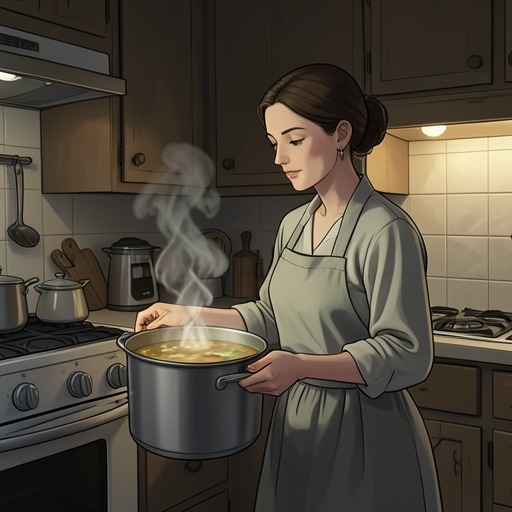
The domestic work that follows from this rule gives that restriction a daily form. Tita’s hands are assigned a continuous sequence of tasks: rising and dressing, lighting the stove, preparing breakfast, feeding the animals, washing dishes, making beds, preparing lunch, ironing, and making dinner. At John’s home, after being rescued from horror, she stares at her hands and marvels that they belong to her. Their freedom unsettles her: she can move them as she pleases, but has never decided for herself what they should do. Her wish that they might become birds and carry her away expresses how deeply routine has organized not only her labor but her sense of possibility. In that light, the inner matches are not merely private feelings; the chance to tend them depends on gaining some say over the life and work that have claimed her body.
The Family Pact and Emotional Inheritance
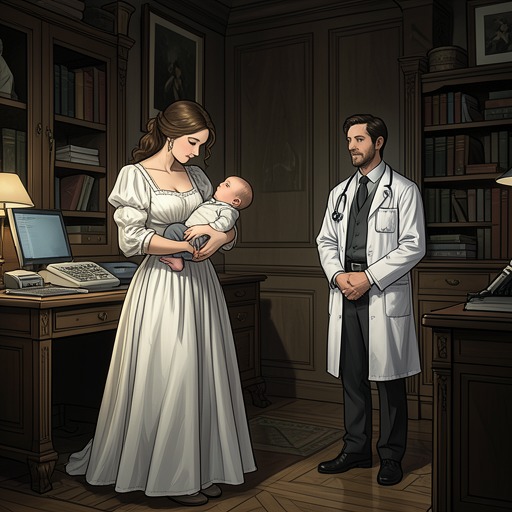
The same conflict reappears in the agreement Tita and Pedro observe with Rosaura for twenty years. They are to keep their meetings and love secret so that Rosaura can preserve the appearance of a successful marriage and a family in which Esperanza grows up. Tita agrees not to have an illicit child; in return, she is to feed Esperanza while Rosaura directs the child’s education. Rosaura, for her part, is to live with them on friendly terms and avoid jealousy and complaints. The pact tries to contain desire through discretion and assigned roles, much as the family tradition contains Tita’s future through assigned care.
The agreement is imperfect even before its later crisis. Tita wants Esperanza to receive a different education from the one Rosaura plans. When Rosaura argues that school is unnecessary for a daughter destined to care for her mother, she favors piano, singing, and dancing: skills that could entertain her at home and distinguish her at society balls. After three long conversations, Rosaura reluctantly agrees to send Esperanza to the best school in Piedras Negras, persuaded in part that schooling will improve the girl’s conversation and social standing. Tita supplements that education with knowledge of love and life as revealed through the kitchen. The contrast shows the family rule being repeated in a new generation, but also contested through schooling, kitchen teaching, and Tita’s insistence that Esperanza’s future need not be limited to service.
John’s theory gives these conflicts a shared vocabulary without reducing them to a simple promise of liberation. Breath, food, touch, words, and sound can nourish a person, but the same image registers how readily warmth can be extinguished. In Tita’s life, the matchbox holds both the knowledge of what she loves and the vulnerability of a desire repeatedly constrained by inherited duty and secrecy. Her questions about the youngest-daughter rule and her efforts to give Esperanza different knowledge make the possibility of keeping the matches alive a matter not only of feeling, but of whether women can choose what their hands and lives are for.