The Wedding of Esperanza and Alex
Like Water for ChocolateThe Wedding of Esperanza and Alex marks a break with the De la Garza family tradition requiring the youngest daughter to care for her mother for life. Tita’s support helps Esperanza marry despite Rosaura’s opposition, making the wedding not only a family celebration but also the fulfillment of a struggle over who may shape the young woman’s future. Its joy carries an immediate cost: Alex and Esperanza are to leave for Harvard University that same day.
Background and Stakes
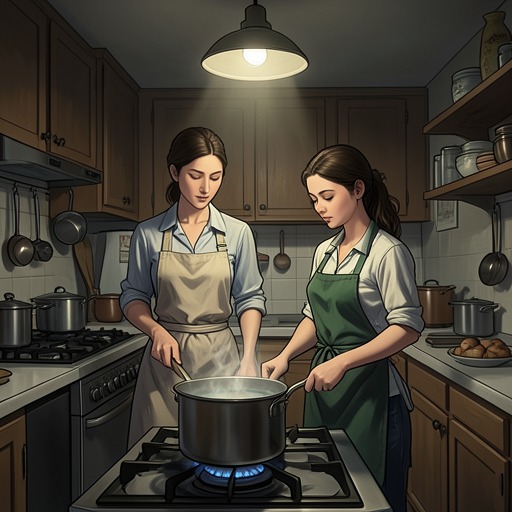
Esperanza’s marriage had been contested long before the ceremony. Rosaura expected her daughter to remain at home and care for her, in keeping with the family tradition. She had even opposed Esperanza’s schooling, arguing that it was unnecessary for a daughter whose future was already prescribed. Pedro and Tita eventually persuaded her to send Esperanza to the best school in Piedras Negras. Tita supplemented that education with what she taught her in the kitchen: the secrets of love and life.
The conflict sharpened when Alex entered Esperanza’s life and marriage became possible. Rosaura saw the prospect as a violation of her rights and of the arrangement she had made with Pedro and Tita. Under The pact between Tita, Pedro, and Rosaura, Pedro and Tita were to keep their relationship secret and not have a child together; Rosaura, in return, would share Esperanza with Tita, who was to feed the girl while Rosaura directed her education. The arrangement was meant to preserve the appearance of a conventional family, but it could not reconcile Tita’s hopes for Esperanza with Rosaura’s insistence that her daughter remain dependent on her.
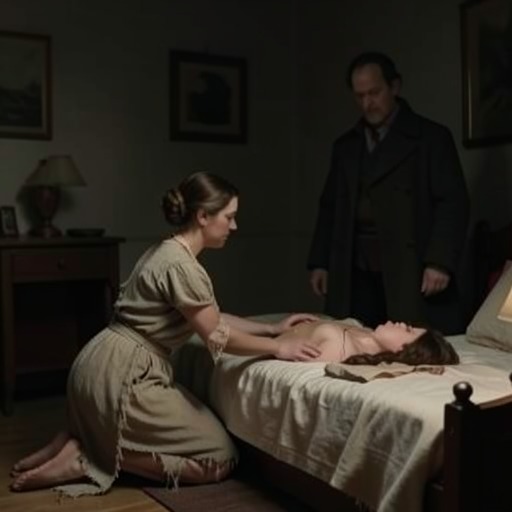
Rosaura also resisted Esperanza’s school attendance, but eventually agreed after being persuaded that school would help her daughter converse and move among Piedras Negras society. Her opposition to the proposed marriage proved more intractable. After three days of intense conflict with Pedro and Tita, Rosaura died. Tita later regarded bringing about the wedding as her greatest triumph: Esperanza would not inherit the life Rosaura had planned for her.
The Celebration
At the wedding, Esperanza appears in her gown, dancing a waltz with Alex to “The Eyes of Youth.” Tita watches with pride, seeing her niece as self-confident, intelligent, prepared, and happy. The scene gives concrete form to the outcome Tita had worked toward: Esperanza is not merely permitted to marry but is shown as a young woman able to meet that future with assurance.
The gathering also reunites members of the wider family. Gertrudis arrives with Juan and their eldest child, now grown. Their presence carries the history of an earlier family crisis: Gertrudis’s parentage had become a source of conflict with Juan, and Tita disclosed the truth about her mother’s past to help preserve their marriage. The wedding celebration therefore includes a family whose bonds have been tested by secrets, ancestry, and competing claims about belonging.
The meal makes the occasion visible through the food Tita and Chencha prepared. The chiles in walnut sauce are arranged in the colors of the flag: green chiles, white sauce, and red pomegranate seeds. Paquita and Jorge congratulate Pedro and Tita on the match and praise Alex. Their congratulations treat the marriage as a successful family union, even as its meaning for Tita reaches beyond social approval: Esperanza has escaped the future that Rosaura sought to impose.
Departure and Consequences
During the celebration, Pedro explains that Alex has won a grant to pursue his doctorate at Harvard University. The newlyweds are leaving for there immediately after the wedding. Their departure gives the event a double character: Esperanza’s marriage confirms her independence, while the couple’s immediate move means she will no longer live at the ranch. The wedding thus changes the household as decisively as it changes her status.
The news also exposes how much Tita’s life has become bound to Esperanza’s presence. Paquita pointedly asks what Tita will do without her niece in the house and suggests that she will no longer be able to live there with Pedro. The question makes the wedding’s personal consequences plain without diminishing Tita’s pride in it. Her success in helping Esperanza claim a different future also removes the arrangement that had kept Tita and Pedro’s domestic life intact.
Significance
Tita’s triumph is measured not by keeping Esperanza close but by helping her leave. The wedding reverses the family rule that would have made the youngest daughter’s life a lifelong obligation to her mother. It also completes Tita’s effort to give Esperanza both formal education and the knowledge she herself had acquired through cooking and experience.
The ceremony’s conventional signs of a promising marriage stand beside the story’s less conventional family history: the long-kept pact, the struggle over Rosaura’s authority, and the past Tita disclosed to protect Gertrudis’s marriage. In that setting, the wedding is both an incorporation of Esperanza into a new life with Alex and a separation from the household that sought to determine her future. Its final note is therefore proud and bittersweet: the marriage Tita fought to secure succeeds, but the couple leaves the ranch on the day it is celebrated.