
The Underground’s Rival Poet
LimonovThis thread follows Limonov’s competitive relationship with Joseph Brodsky, from Moscow literary rivalry to their unequal encounters in exile.
increasing Bearing strength in each event
 decreasing
Bearing strength in each eventdecreasingA Name at the Bookstore

The Rival Arrives by Reputation
A new standard of talent
In Kharkov’s underground literary circles, Joseph Brodsky’s poems and trial story circulated as evidence of a different level of recognition. Limonov, already ambitious, found the attention devoted to a poet close to his age difficult to accept.
Envy masked as criticism
He dismissed Brodsky’s exile as an unusually fortunate route to fame, calling him a Captain Levitin figure. The mockery protected Limonov from admitting how much he wanted the same authority and audience.
The Moscow Seminar
Seeking Recognition
An impatient newcomer
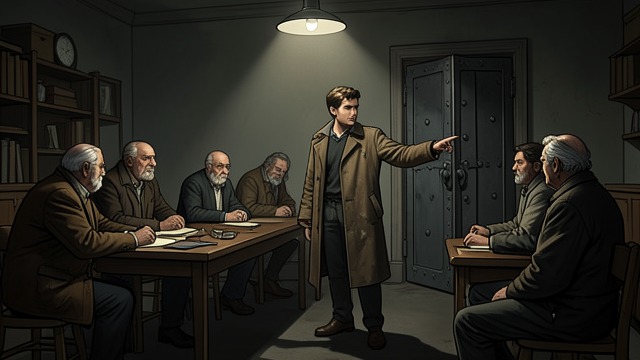
Limonov entered Moscow literary circles hoping to be heard as a poet in his own right. He resented the hierarchies of the writers’ seminar and the way established names shaped whose work received attention.
Brodsky’s shadow
Brodsky’s growing reputation made the competition feel personal. Limonov’s frustration came not only from aesthetic disagreement but from the fear that another writer had already occupied the place he wanted.
Brodsky’s Departure
The Rival Leaves
A dissident’s forced exit
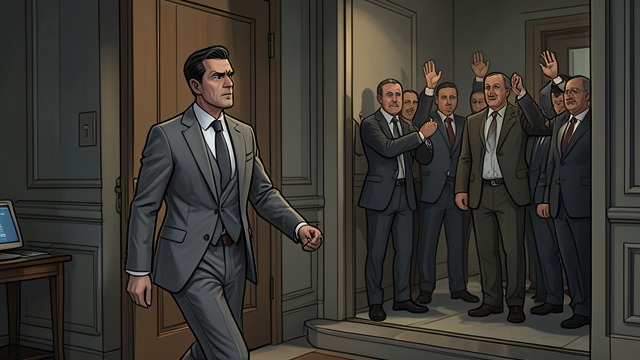
Brodsky was ordered to leave the Soviet Union after persistent conflict with the authorities. His departure was another step in a career whose symbolic stature Limonov both resented and measured himself against.
Unequal meanings of exile
Unlike Brodsky, Limonov and Tanya wanted to emigrate. The contrast sharpened the difference between a dissident forced out of his country and a writer who sought departure as a new chance at life.
A Meeting in New York
The Established Exile
Advice from the successful poet
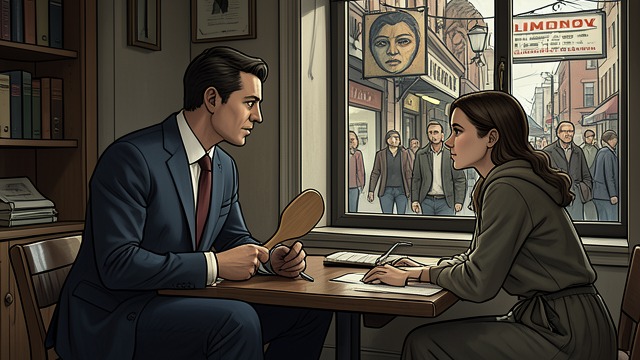
Brodsky met the newly arrived Limonovs and offered practical advice about work, English, and literary contacts. His position in New York’s literary world made him both useful and intimidating.
A familiar hierarchy
Limonov felt cast as the young petitioner before a figure who had already secured recognition. He accepted help while privately resisting the idea that Brodsky’s success made him a permanent superior.
The Manuscript Judgment
Approval and Rejection
A book shown to a rival
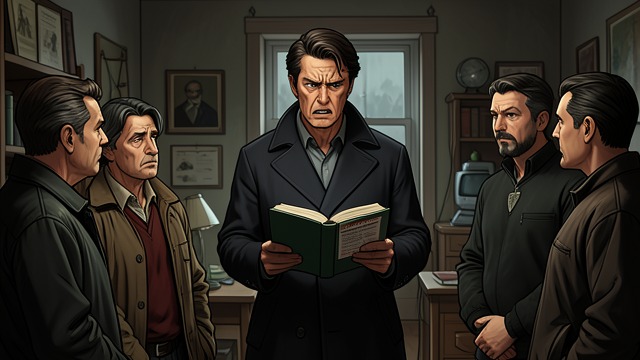
Limonov’s manuscript circulated among Russian émigrés and reached Brodsky, whose response compared its narrator to a depraved figure from Dostoyevsky rather than a great literary hero. The judgment wounded the younger writer’s ambition.
Rivalry becomes a lasting lens
Limonov interpreted literary praise and neglect through competition, often treating other writers’ stature as something taken from him. Brodsky remained a standard he attacked precisely because he could not ignore him.
Early 1960s, in Kharkov
1967–1968, at Arseny Tarkovsky’s poetry meetings
1972, when Brodsky was expelled from the Soviet Union
1975, soon after Limonov’s arrival
Late 1970s, while It’s Me, Eddie circulated in New York
